
Preparing for the MCAT can feel overwhelming. With thousands of concepts across biology, chemistry, physics, psychology, and sociology, many students fall into the trap of cramming. While cramming may help short-term recall, it almost always fails when it comes to long-term retention, something the MCAT heavily tests. The good news? You can remember MCAT content long term without cramming by using smarter, evidence-based strategies combined with the right MCAT Tutoring and structured learning support.
This article will guide you step by step through proven techniques that help information stick, reduce burnout, and boost your confidence on test day.
Why Cramming Fails for the MCAT
Cramming relies on short-term memory. The MCAT, however, is designed to assess:
- Conceptual understanding
- Cross-topic integration
- Application of knowledge to new scenarios
When you cram, you may recognize information, but recognition is not the same as recall or application. Long-term memory forms only when your brain revisits material repeatedly and meaningfully over time.
The Science of Long-Term Memory
To remember MCAT content long term, your study approach must align with how the brain learns. Research shows that long-term retention depends on:
- Spaced repetition
- Active recall
- Contextual learning
- Interleaving topics
High-quality mcat prep classes and personalized MCAT Tutoring are built around these principles, which is why guided preparation consistently outperforms self-study alone.
Use Spaced Repetition Instead of Massed Study
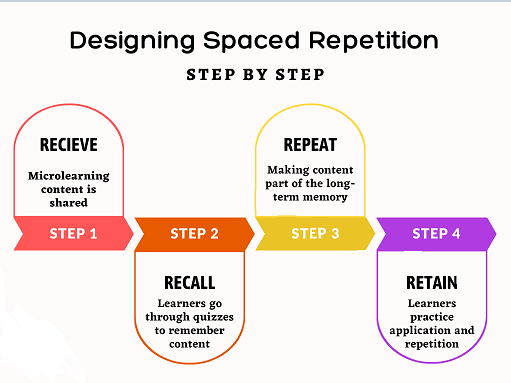
Spaced repetition involves reviewing content at increasing intervals (days, then weeks, then months). This forces your brain to work harder each time, strengthening memory pathways.
How to apply it:
- Review new MCAT topics within 24 hours
- Revisit them again after 3–4 days
- Review weekly and monthly
Most professional MCAT prep classes in NY integrate spaced review calendars so you never forget what you learned earlier in your prep.
Master Active Recall (Not Passive Reading)
Reading notes or watching videos feels productive, but it’s passive. Active recall means forcing your brain to retrieve information without looking at the answer.
Effective active recall tools:
- Flashcards (especially question-based ones)
- Practice questions
- Teaching concepts out loud
- Writing down everything you remember before checking notes
This is a core technique emphasized in expert MCAT Tutoring, where tutors constantly ask students to explain concepts rather than just recognize them.
Study Fewer Hours, but With Higher Quality
Long study sessions often lead to burnout and diminishing returns. Instead:
- Study in focused 60–90 minute blocks
- Take short breaks
- Stop before exhaustion
Top-tier mcat prep classes focus on efficiency, not endless hours, helping students retain more while studying less.
Connect Concepts Across Subjects
The MCAT rewards integration. For example:
- Biochemistry overlaps with biology
- Physics connects to physiology
- Psychology and sociology reinforce CARS reasoning
When concepts are connected, they become easier to remember. Structured MCAT prep classes in NY are especially strong at teaching these interdisciplinary links.
Practice With Purpose
Practice questions should reinforce learning, not just test it.
Smart practice includes:
- Reviewing why each answer is right or wrong
- Keeping an error log
- Revisiting weak topics systematically
This reflective process is a major advantage of guided MCAT Tutoring, where feedback accelerates improvement.
Use Full-Length Exams Strategically
Full-length exams help consolidate long-term memory by simulating real test conditions. However, taking too many too early can be counterproductive.
Best practice:
- Save full-length exams for later stages
- Thoroughly review every exam
- Identify patterns in mistakes
Most mcat prep classes provide structured exam schedules and expert analysis to maximize learning.
Build a Sustainable Study Routine
Consistency beats intensity. A sustainable routine includes:
- Fixed weekly study times
- Regular review days
- Built-in rest
Students enrolled in MCAT prep classes in NY often succeed because accountability keeps them consistent over months, not just weeks.
How MCAT Tutoring Supports Long-Term Retention
Personalized MCAT Tutoring adapts to your learning style, strengths, and weaknesses. Tutors help you:
- Identify memory gaps early
- Adjust study strategies
- Reinforce concepts repeatedly
This individualized approach dramatically improves long-term recall compared to generic self-study.
Common Mistakes That Hurt Long-Term Memory
Avoid these pitfalls:
- Rereading notes repeatedly
- Ignoring weak areas
- Studying without a schedule
- Overloading daily study sessions
Well-designed mcat prep classes are specifically structured to help students avoid these traps.
FAQs About Remembering MCAT Content Long Term
1. How early should I start studying for long-term retention?
Ideally, 4–6 months before your exam to allow proper spacing and review.
2. Is MCAT Tutoring better than self-study?
For most students, yes. Tutoring provides structure, feedback, and accountability.
3. Are mcat prep classes worth it?
High-quality mcat prep classes significantly improve retention, especially for complex topics.
4. How many times should I review each topic?
At least 4–6 times across your prep timeline.
5. Can I remember MCAT content without studying every day?
Yes, if your study sessions are consistent and strategically planned.
6. Do MCAT prep classes in NY offer personalized schedules?
Many programs do, especially those combined with tutoring support.
Study Smarter, Not Harder
Remembering MCAT content long term without cramming is not only possible, it’s predictable when you use the right strategies. By combining spaced repetition, active recall, integrated learning, and expert support from MCAT Tutoring and structured mcat prep classes, you can build durable knowledge that lasts through test day and beyond.
If you want a guided, proven approach, enrolling in MCAT prep classes in NY can provide the structure and expertise needed to succeed without burnout.