
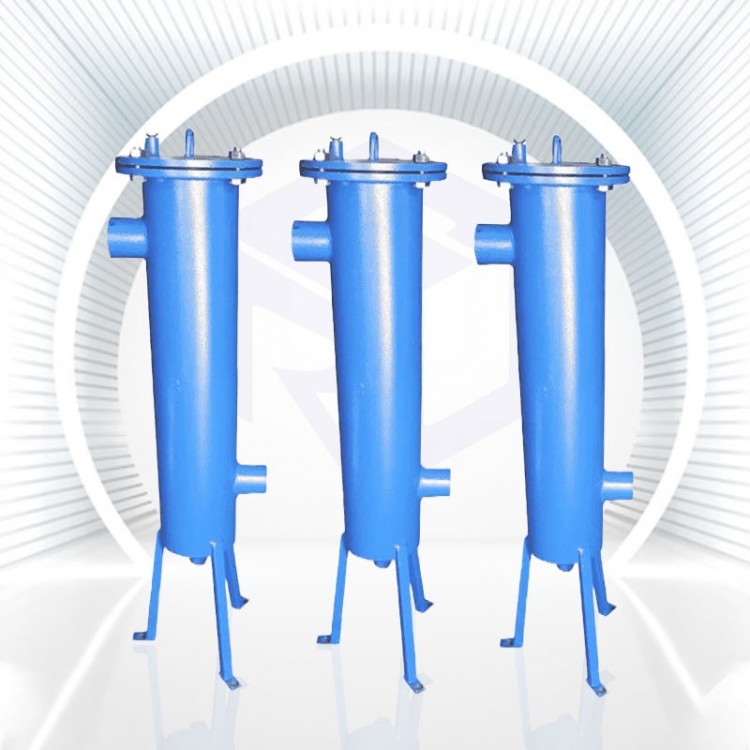
Oil and gas plants are some of the harshest environments in the industrial sector. The combination of high pressures, extreme temperatures, and round-the-clock operation subjects these facilities to wear, contamination, and equipment failure quite easily. Big equipment such as compressors, pipelines, and reactors usually attracts most of the attention. But it's the filtration systems, including the protection of the environment with bag filter housings, that, unnoticeably, form the basis for safe and smooth operations.
Without adequate industrial filtration, even the best technology found in oil and gas facilities can become degraded in a short period, creating expensive downtime, danger to workers, and the environment.
From upstream oil and gas drilling sites to downstream oil refineries, filtration prevents damaging contaminants from coming into contact with your machinery or degrading your product's quality. Filtration for maintenance is only one piece of the puzzle for oil and gas. Filtration is also a strategic necessity for the industry.
Protecting Oil and Gas Equipment
There are many pieces of costly, extremely precise equipment that the Oil and Gas industry relies on for exploration, production, or refining in this sector. The following are some important assets that greatly rely on appropriate filtration:
- Hand pumps, degassers, and drilling rigs are examples of drilling equipment.
- Compressors, separators, and industrial pumps are examples of production equipment.
- Heat exchangers, reactors, and cooling systems are types of processing units.
- Railcars, trucks, tankers, and pipelines are forms of transportation infrastructure.
- Water treatment equipment and flare systems are examples of environmental systems.
Plants can safeguard these resources, preserve operational effectiveness, and increase equipment lifespan by filtering impurities with solutions like bag filter housing.
Different Filtration Systems Used In Oil And Gas Facilities
Oil and gas facilities employ various filtering technologies, each having its own purpose. Some of these filters include:
- T Strainer: A T-shaped strainer that can be installed into pipelines and that removes large objects from fluid streams.
- Y Strainer: A Y Strainer is a Y-shaped filter that removes big particles out of a fluid line, so it can be used to separate out big stuff before it gets to the main filter.
- Pot Strainer: A cylindrical vessel fitted with mesh screens to capture solid particles from passing through a fluid stream.
- Pressure Vessel Filters: These are designed to contain one or more filter elements that can filter a fluid stream while under high pressure.
- Self Cleaning Filters: An automatic self-cleaning filter takes dirt out of the fluid line (pollutants) without stopping the flow or having any downtime.
- Knockout Drums: A knockout drum is a small tank with a lot of open area at the bottom of it. It is designed to separate out small droplet-sized particles from the gas stream using the effects of gravity to do this.
- Filter Separators: Commonly used in refineries and processing plants, filter separators are designed to remove solid and liquid contaminants from gas streams.
- Bag Filter Housing: Designed to hold one or more filter bags, bag filter housings assist in the removal of fine particles from oil and gas streams and, therefore, ensure that machinery operates smoothly.
Importance of Oil Filtration Using Bag Filter Housing
When used properly, filtration of oil and gas results in numerous advantages to the company that operates within these industries:
- Equipment Protection removes solid particles and moisture from the fluid stream, which will result in damage to pumps, compressors, and valves.
- Quality Assurance provides clean fluids for maintaining product quality and meeting regulatory standards.
- Environmental Compliance reduces the amount of fumes produced and prevents pollution while providing for a sustainable operation.
- Operational Efficiency continues to maintain consistent flow rates, requires less maintenance, and increases equipment longevity.
Filtration Stages and Processes
Oil and gas filtration usually occurs in multiple stages:
- Pre Filtration: Strainers, knockout drums, or bag filter housing remove large debris.
- Primary Filtration: Self-cleaning or basket filters eliminate finer particles and sediments.
- Secondary Filtration: Filter separators or coalescing filters separate water and oil droplets.
- Tertiary Filtration: Centrifugal separators get rid of ultra-fine particles to achieve the desired purity
Things to consider when choosing a filtration system
Some of the factors to ensure the best possible filtration system performance include:
- Flow rate and capacity (must have the ability to handle the amount of material (oil/gas) that needs to be filtered).
- Filtration efficiency (needs the ability to remove contaminants from the stream of oil/gas being filtered, as well as filtering out only contaminants of the right size).
- Maintenance requirements (what types of maintenance would be required, how frequently maintenance will need to occur, and whether the filter can be easily cleaned).
Conclusion
Bag filter housing and various other types of filtration systems are critical components to the successful, efficient, safe, and sustainable operation of oil and gas facilities. Understanding the different filtration processes and stages, as well as knowing the appropriate types of solutions, will assist professionals in effectively reducing risk and improving the performance of equipment, thus allowing for success over time.
When looking for dependable, quality filtration solutions, GTS Filters & Systems can be counted on as a reliable supplier of filters, strainers, and specialised custom industrial equipment for use in the oil and gas, petrochemical, power generation, and environmental industries. Working with us provides a greater level of efficiency, leads to more efficient operational processes, and ultimately delivers greater value to your operations.
FAQ’s
- Why is filtration a crucial element in oil and gas companies?
Oil and gas firms rely on bag filter housing and other filtration to protect their downstream equipment (pumps, turbines, and compressors) from being damaged (wear and corrosion) by particulate contaminants such as rust, sand, and scale.
- Why are dirt and grit such a serious threat to bearings, seals, and valves in equipment?
Equipment damage from things like dirt and grit can really destroy the equipment. These things can cause bearings, seals, and valves to wear out a lot faster. The equipment gets damaged because of this. Equipment damage is a problem when you have abrasive contaminants. They can make the bearings, seals, and valves wear out quickly. This is why equipment damage is something to worry about when you have things like dirt and grit around the equipment.
- What kinds of contaminates do the filtration process take out?
Filtration processes are aimed at extracting:
Solid Particles: These include dirt, rust, and metal particles resulting from wear (4 to 5-micron particles are capable of causing up to 77% of engine wear).
Water: Any free, emulsified, or dissolved water may cause corrosion and microbial growth.
Hydrocarbons/Sludge: These are the by-products of oil degradation, like varnish and coke.
Gases: HS or CO, which are required to be removed in gas processing.