
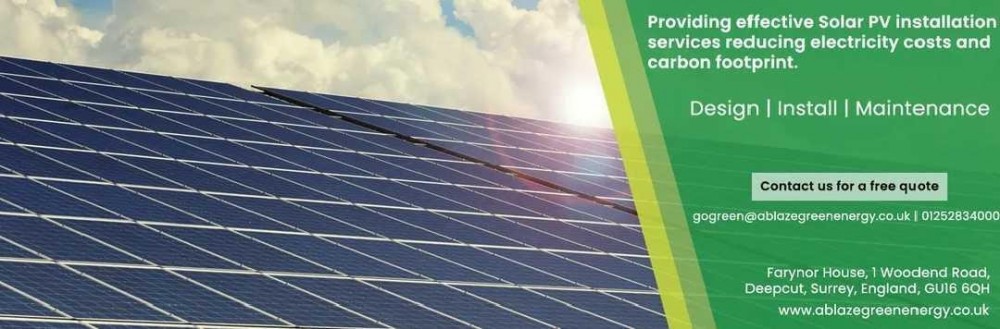
As businesses look for smarter ways to reduce costs and operate sustainably, solar power has emerged as a powerful solution. Rising electricity prices, environmental concerns, and the push toward green infrastructure are encouraging companies to rethink how their buildings consume energy. One of the most effective solutions is commercial solar installation, which allows businesses to generate clean electricity directly from sunlight.
From financial savings to environmental benefits, solar technology is reshaping the future of commercial buildings around the world. Below are nine key reasons why solar energy is quickly becoming an essential investment for modern commercial properties.
1. Lower Operating Costs
Energy expenses represent a significant portion of operating costs for many commercial buildings. Offices, warehouses, retail stores, and manufacturing facilities all rely heavily on electricity for daily operations.
A commercial solar installation can dramatically reduce these energy costs by generating power on-site. Instead of purchasing all electricity from the grid, businesses can produce their own renewable energy. Over time, this leads to substantial savings on monthly utility bills, allowing companies to allocate funds to other areas of growth.
2. Strong Return on Investment
Although installing solar panels requires an initial investment, the long-term financial return makes it worthwhile. Most commercial solar systems can pay for themselves within several years through energy savings.
Once the system reaches its payback period, the electricity generated is essentially free. Since solar panels typically last 25 years or more, businesses can enjoy decades of reduced energy expenses. For many companies, commercial solar installation becomes one of the most reliable long-term investments.
3. Protection from Rising Energy Prices
Electricity prices have been steadily increasing in many regions. For businesses that rely heavily on power, these rising costs can significantly impact profitability.
By installing solar panels, companies can protect themselves from unpredictable utility rate increases. A commercial solar installation allows businesses to produce their own electricity, reducing reliance on external power providers. This helps stabilize energy costs and makes financial planning more predictable.
4. Environmental Sustainability
Sustainability has become a major priority for businesses across industries. Customers, investors, and governments are encouraging companies to reduce their environmental impact and adopt cleaner energy solutions.
Solar energy produces electricity without emitting greenhouse gases or air pollutants. By investing in commercial solar installation, businesses can significantly reduce their carbon footprint and contribute to global efforts to combat climate change.
Adopting renewable energy also demonstrates a company’s commitment to environmental responsibility, which can strengthen its reputation in the marketplace.
5. Government Incentives and Financial Support
To encourage renewable energy adoption, many governments offer financial incentives for solar installations. These incentives may include tax credits, rebates, grants, or accelerated depreciation programs.
Such programs help lower the upfront cost of installing solar systems, making commercial solar installation more accessible to businesses of all sizes. In many cases, government incentives can cover a significant portion of the total project cost, improving the overall return on investment.
Companies that take advantage of these programs can accelerate their transition to clean energy while saving money.
6. Increased Property Value
Solar-equipped commercial buildings often have higher property values compared to traditional buildings. Investors and tenants are increasingly looking for properties with lower operating costs and sustainable energy solutions.
A building with commercial solar installation offers reduced electricity expenses, which makes it more attractive to potential buyers and tenants. As demand for energy-efficient properties continues to grow, solar-powered buildings may gain a competitive advantage in the real estate market.
For property owners, solar installation is not just an energy solution but also a strategic asset that enhances long-term property value.
7. Energy Independence
Relying solely on the traditional electricity grid can expose businesses to power outages, price fluctuations, and supply disruptions. Solar energy helps reduce this dependency by allowing companies to generate their own electricity.
When combined with battery storage systems, a commercial solar installation can provide backup power during grid outages. This added energy independence ensures that critical operations can continue even during power disruptions.
For industries that rely on continuous operations, such reliability can be extremely valuable.
8. Low Maintenance and Long Lifespan
Modern solar panels are designed to be durable and efficient. Once installed, they require very little maintenance compared to many other energy systems.
Most systems only need occasional cleaning and periodic inspections to maintain optimal performance. With proper care, a commercial solar installation can continue generating electricity for 25 to 30 years or more.
This long lifespan makes solar technology a dependable and low-maintenance solution for commercial buildings.
9. Enhanced Brand Image
Today’s consumers are increasingly aware of environmental issues and often prefer to support businesses that demonstrate responsible practices.
Companies that invest in commercial solar installation send a strong message about their commitment to sustainability and innovation. This can improve brand perception and build trust with environmentally conscious customers, partners, and investors.
Additionally, showcasing renewable energy initiatives can strengthen marketing efforts and differentiate a company from competitors in a crowded market.
Conclusion
Solar energy is transforming how commercial buildings generate and consume power. With benefits such as reduced operating costs, long-term financial returns, environmental sustainability, and improved brand reputation, it is clear why businesses are embracing this technology.
As solar technology continues to advance and government incentives expand, commercial solar installation will likely become a standard feature in commercial infrastructure. Businesses that invest in solar today are positioning themselves for a future that prioritizes efficiency, sustainability, and energy independence.
By adopting solar power, commercial buildings can not only reduce their environmental impact but also create lasting economic advantages that support long-term growth.