
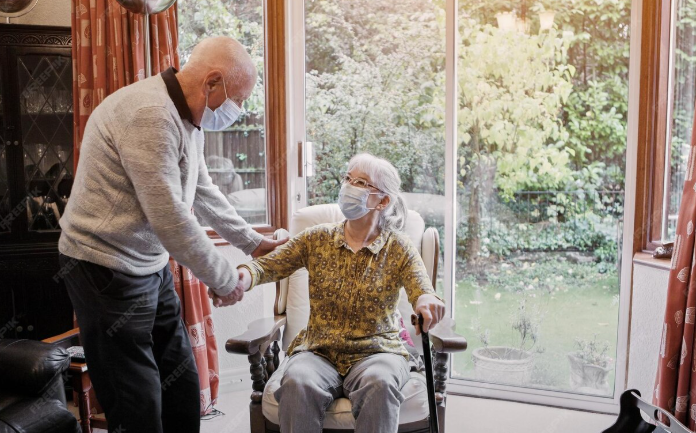
Even without the requirement for continuous medical check-ups, the most basic activities of daily living can become increasingly difficult as people age. Residential care home offer a calming option for those who want to participate in everyday life tasks while still receiving assistance, maintaining a safe, comfortable, and high-quality home life. Residential care housing is designed to help promote independence with the right kind of support.
What Is a Residential Care Home?
Residential care is a long-term home or community living facility for older people that provides support for bathing, dressing, mobility and meals. Residential care homes do not provide ongoing 24-hour medical or nursing care as nursing homes do. Instead, well-disciplined staff available 24/7 aid residents in the daily aspects of their care, ensuring ease, protection, and dignity. Also, it is most feasible for individuals who may struggle to live independently but do not have complex medical conditions that demand ongoing clinical monitoring.
Person-centred and Day-to-Day Support
For a Residential care home to succeed, it is based on personal attention and person-centred care. A personalised approach and a successful residential care home model of practice are one of its key strengths. Such support has to be tailored to residents’ individual needs, tastes, habits and lifestyle. Care staff work extremely closely with residents to help and encourage independence whilst providing support.
Help with daily living may include support for personal hygiene, medication management, mobility and transfers, grooming, dressing, house maintenance, cleaning, laundry, and related tasks. In return, an organised support network enables individuals to maintain daily routines comfortably, minimising isolation and easing the burden of household duties.
A Comfortable & Nourishing Environment
Residential care homes are built to be warm, welcoming, and familiar. And many even have private bedrooms that allow residents to decorate them with their own furniture, photos, and treasured possessions. Suites, dining rooms, lounges, and gardens are often employed for socialising and relaxation in communal settings.
Food and meals are an integral part of everyday life, and nutritious, home-style food is prepared locally. Dietary needs and personal preferences are given due regard, as they will facilitate residents eating with similar preferences while experiencing familiar flavours.
A social life is vital for emotional health. Residential care homes typically offer arts and crafts, gentle exercise, music groups, games, and social gatherings. Activities like painting or singing can be enjoyed at home. These experiences help residents interact, spark curiosity, and create meaning. Celebrations, themed days, and family reunions strengthen community bonds, ease loneliness, and foster a welcoming environment for residents.
Is a Residential Care Home Appropriate for you?
Choosing to live in a residential care home depends on personal situations and needs. Important considerations include quality of care, staff training and experience, and the home's cleanliness and safety. The opportunity for in-person conversations with staff and residents is also reassuring.
Residential care is a home that empowers the elderly not only to flourish but to maintain independence. The calm, nurturing environment fosters confidence, dignity, and peace of mind.