
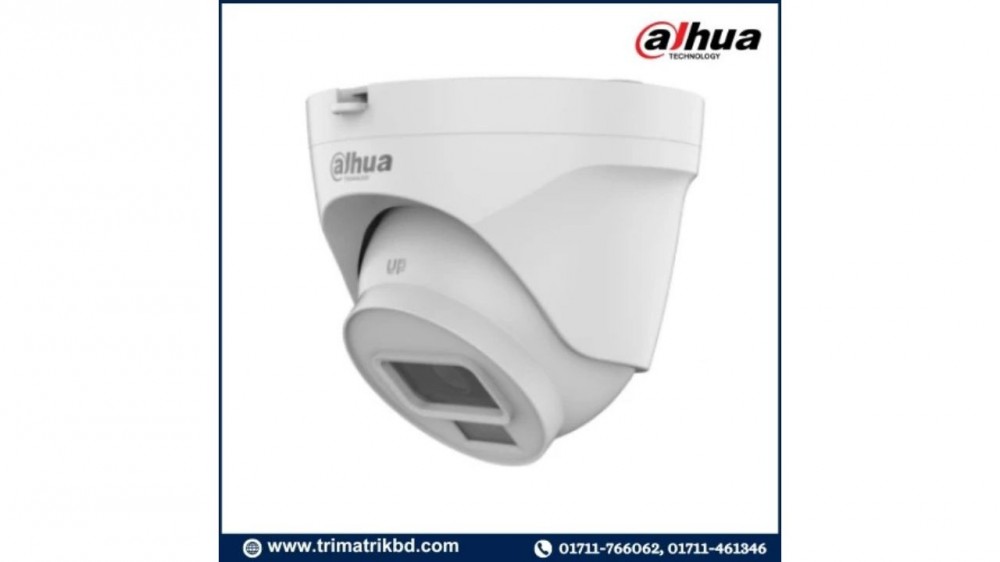
As the demand for surveillance systems continues to rise across industries—ranging from government facilities and commercial enterprises to educational institutions and smart cities—large IP camera networks have become essential.
However, managing and storing the vast amounts of video data these systems produce presents significant challenges. Effective strategies are required to ensure storage remains scalable, efficient, and secure.
Understanding Storage Needs
Types of IP Camera Data
IP camera networks generate continuous video footage, motion-detected clips, audio streams, metadata, and analytical insights. Each of these data types requires varying levels of storage.
Factors Affecting Storage
- Resolution: Higher resolutions like 4K demand more storage than 720p or 1080p.
- Frame Rate: The higher the frame rate (fps), the more storage needed.
- Retention Period: Regulations or company policies may require retaining footage for 30, 60, or even 90 days.
- Camera Count: Larger networks with hundreds of cameras exponentially increase storage needs.
Evaluating your specific requirements while comparing options helps justify cost differences when reviewing the IP Camera Price in Bangladesh in relation to storage support capabilities.
Choosing the Right Storage Technologies
NAS (Network-Attached Storage)
- Easy to deploy
- Scalable with additional drives
- Suitable for medium to large installations
SAN (Storage Area Network)
- High performance and speed
- Ideal for enterprise-level systems
- Requires higher upfront investment
Cloud-Based Storage
- Accessible from anywhere
- Off-site backup and redundancy
- May involve recurring costs and internet dependency
Local Storage (DVR/NVR)
- Cost-effective for small setups
- Limited scalability
- Higher risk if damaged or stolen
Implementing Efficient Compression Techniques
Video Compression Standards
- H.264: Widely supported and efficient for standard resolutions
- H.265 (HEVC): Reduces file size up to 50% over H.264 for the same quality
- H.266 and AV1 (emerging): Even more efficient but limited hardware support currently
Balancing Compression and Quality
Use smart encoding features to retain essential details while compressing non-critical frames. Balance between quality retention and bitrate reduction to avoid compromising forensic value.
Leveraging Video Management Software (VMS)
Smart Features That Boost Efficiency
- Dynamic resolution adjustment during low activity
- Frame rate throttling for idle periods
- Auto-deletion of non-relevant footage after review
VMS Integration Benefits
- Centralized access and configuration
- Real-time monitoring of storage consumption
- Easy scalability and upgrades across the network
Utilizing AI and Analytics for Data Management
AI-Powered Video Filtering
AI can automatically categorize or tag footage based on motion, faces, license plates, or time stamps, prioritizing only important events for storage.
Machine Learning for Predictive Storage Planning
ML algorithms can analyze historical data to predict future storage demands, helping IT teams allocate resources before issues arise.
Strategies for Scalable Storage Solutions
Designing for Growth
- Use modular NAS/SAN systems for flexible expansion
- Select camera models with support for external storage options
Hybrid Storage Models
- Combine local storage for daily footage with cloud backup for archival needs
- Automate backup schedules based on usage trends and retention rules
Regular Monitoring and Optimization
Routine Storage Audits
Conduct monthly audits to detect:
- Underperforming storage nodes
- Overused partitions
- Unnecessary duplication
Key Metrics to Track
- Storage consumption rate
- Compression efficiency
- Retention policy adherence
Security Considerations
Ensuring Data Integrity and Confidentiality
- Use RAID configurations for fault tolerance
- Implement file checksums for data verification
Access Controls and Encryption
- Use role-based access to limit user privileges
- Encrypt data in transit and at rest
- Enable two-factor authentication on storage access portals
Future Trends in Storage for IP Camera Networks
Emerging Technologies
- Edge computing to process data locally before storing
- AI-driven compression that adapts based on scene complexity
- Object-based storage for more efficient indexing and retrieval
Predictions
- Greater reliance on cloud-hybrid models
- AI-integrated VMS platforms becoming standard
- Real-time, decentralized analytics reducing overall storage burden
Conclusion
Maximizing storage efficiency in large IP camera networks requires a multi-layered strategy. From choosing the right storage technology and using smart compression, to implementing AI and planning for scalability—every step matters.
By regularly monitoring your setup and staying updated with technological advancements, you can ensure that your surveillance data is managed effectively, securely, and sustainably.