
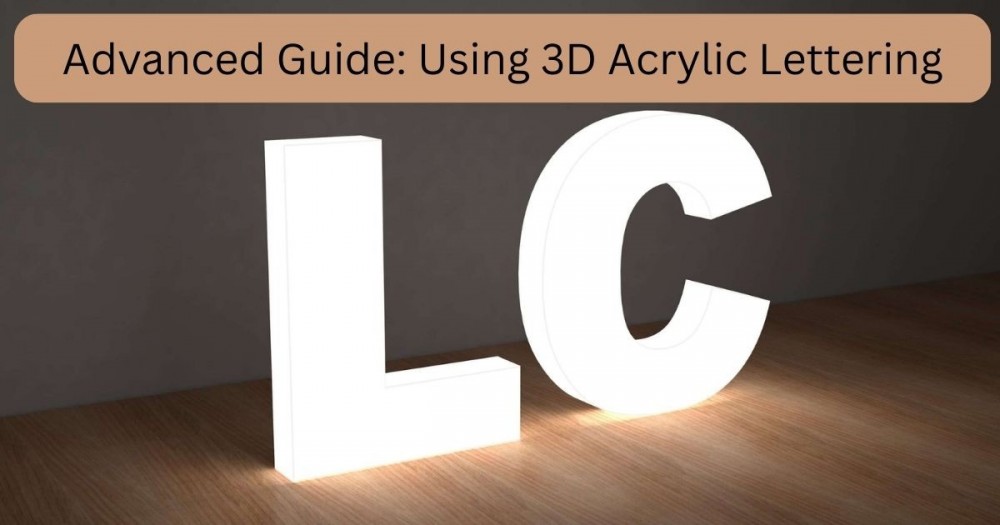
In the world of signage and visual branding, 3D acrylic lettering has emerged as a powerful solution for creating impactful, durable, and visually compelling displays. As businesses across industries strive to stand out in competitive markets, the demand for signage that combines aesthetics with functionality continues to rise.
This advanced guide provides a comprehensive look at the use of 3D acrylic lettering—from material selection and design customization to advanced installation methods and maintenance tips. Whether you're a design professional, business owner, or interior architect, this article offers valuable insights into leveraging this versatile signage solution to its fullest potential.
Understanding 3D Acrylic Lettering in Modern Branding
3D acrylic lettering refers to dimensional letters and logos fabricated from acrylic sheets. These letters are laser-cut or CNC-machined, providing sharp edges and clean, modern finishes. Available in a variety of thicknesses and finishes—such as gloss, matte, metallic, or frosted—3D acrylic signs are suitable for both indoor and outdoor applications.
The three-dimensional nature of this signage gives it a sculptural quality, adding depth and character to any display. Unlike flat printed signs, the raised appearance captures light and shadow in a dynamic way, enhancing visual impact and making it more memorable to passersby.
Benefits of Using 3D Acrylic Lettering
Before delving into advanced applications, it's important to understand the core benefits that make 3D Acrylic Letter Sign Board a preferred choice:
-
Durability: Acrylic is weather-resistant and maintains its appearance even in harsh environmental conditions.
-
Versatility: Suitable for a wide range of industries including retail, hospitality, corporate, healthcare, and education.
-
Customization: Every element, from size and shape to color and lighting, can be tailored to brand requirements.
-
Professional Appearance: Provides a polished, modern look that enhances brand perception and trust.
With these advantages, 3D acrylic lettering becomes more than just signage—it transforms into a strategic branding asset.
Choosing the Right Acrylic Material for Your Application
Selecting the correct type of acrylic is fundamental to the success of your 3D signage project. Acrylic sheets come in various grades, thicknesses, and finishes. The most commonly used types are:
-
Cast Acrylic: Offers excellent optical clarity and is ideal for high-end branding.
-
Extruded Acrylic: More economical and consistent in thickness, suitable for budget-conscious applications.
Depending on where the signage will be installed—indoors or outdoors—you may need UV-resistant or impact-resistant variants. Additionally, finishes such as mirrored acrylic or frosted textures can be used to create unique effects.
Customizing the Design for Maximum Impact
The true strength of 3D acrylic lettering lies in its ability to be fully customized. Whether you're crafting a logo for a luxury boutique or designing wayfinding signs for a corporate office, attention to detail in the design process is crucial.
Typography and Sizing
Typography plays a vital role in visibility and Brand Consistency. Choose fonts that reflect your brand’s personality while ensuring readability from various distances. The size of each letter should be proportionate to the viewing distance and installation space.
Color Matching
Acrylic sheets can be produced in nearly any color, or painted to match precise brand standards. For brand consistency, make sure to match your logo and design elements to Pantone or CMYK codes used in your digital assets.
Finishing Options
Glossy finishes offer a sleek, modern appearance, while matte finishes reduce glare in brightly lit environments. Brushed or metallic finishes are popular in luxury and corporate settings.
Illumination Techniques to Enhance Visibility
One of the most striking features of 3D acrylic lettering is its compatibility with various lighting techniques. Illuminated signage not only improves visibility at night but also adds sophistication to the overall look.
Backlit (Halo Lit)
LEDs are installed behind each letter, creating a glow effect that outlines the letters against the wall. This technique is ideal for upscale environments and adds a premium touch.
Front-lit
LEDs are embedded in or shine directly onto the front face of the letters, making them highly visible even from a distance.
Edge-lit
Lighting is installed along the sides of the letters, creating a glowing border effect. This style works particularly well with clear or frosted acrylic.
Each illumination technique can be used strategically to match the tone of your business or to highlight different aspects of your brand identity.
Advanced Installation Methods for 3D Acrylic Lettering
Proper installation is crucial to achieving the desired visual effect and ensuring the longevity of your signage. Here are some of the advanced installation techniques used by professionals:
Stud Mounting
This technique uses threaded rods (studs) that extend from the back of the letters into pre-drilled holes in the wall. Spacers can be added for a floating or shadow effect.
Flush Mounting
Letters are adhered directly to the wall using industrial-grade adhesive. This method is suitable for indoor environments where a sleek, seamless look is desired.
Rail or Panel Mounting
Ideal for large signs, this method involves mounting the letters on a backing rail or panel, which is then installed on the wall. It allows for easier repositioning and maintenance.
It is essential to work with experienced signage professionals who understand load-bearing requirements, environmental factors, and visual alignment techniques.
Maintenance and Care for Long-Lasting Appeal
Although 3D acrylic lettering is highly durable, regular maintenance ensures your signage remains vibrant and effective.
-
Cleaning: Use a soft cloth and a non-abrasive cleaning solution to wipe the surface regularly. Avoid ammonia-based cleaners, which can damage the finish.
-
Inspection: Periodically check for signs of wear, such as fading, cracking, or loosening mounts.
-
Repairs: Address any damage promptly to prevent further deterioration and maintain a professional appearance.
Proper maintenance not only extends the life of your signage but also preserves its branding impact over time.
Integration with Other Branding Elements
To maximize brand consistency, 3D acrylic lettering should be used in conjunction with other visual identity elements:
-
Wayfinding Systems: Incorporate acrylic letters in directional signage across your premises.
-
Digital Displays: Combine 3D signage with LED screens for dynamic and modern storefronts.
-
Environmental Graphics: Pair with wall decals or murals to create immersive brand experiences.
This multi-faceted approach ensures a cohesive and memorable customer journey, from the moment someone approaches your business to the time they leave.
Applications Across Various Business Environments
The application of 3D acrylic lettering extends beyond traditional signage. Some creative uses include:
-
Reception Backdrops: Instantly impress clients with branded wall displays behind your front desk.
-
Product Displays: Use dimensional lettering to highlight product categories or brand segments in showrooms.
-
Trade Show Booths: Create portable yet striking displays that make your brand stand out at exhibitions.
-
Office Interiors: Reinforce brand culture by integrating your mission statement or values in 3D format within workspaces.
This flexibility makes 3D acrylic lettering an ideal solution for brands that want to make a statement in any environment.
Environmental and Cost Considerations
Modern acrylic manufacturing processes have evolved to become more sustainable. Many acrylic suppliers now offer eco-friendly options made from recycled materials. Additionally, the long lifespan of acrylic signs reduces the need for frequent replacements, offering a more sustainable and cost-effective signage solution in the long term.
While the initial investment in 3D acrylic lettering may be higher than traditional signage options, the return in terms of brand visibility, durability, and aesthetics makes it a worthwhile expenditure for most businesses.
Conclusion
The use of 3D acrylic lettering represents a significant evolution in the world of signage. With its ability to combine visual appeal, customization, durability, and versatility, it serves as a powerful branding tool for any business looking to make a lasting impression.
From strategic design choices to advanced installation techniques, this guide provides a complete overview of how to effectively use 3D acrylic lettering to enhance your brand presence. By investing in quality signage and aligning it with your broader brand strategy, you position your business for increased recognition, customer trust, and long-term success.
For more insightful articles related to this topic, feel free to visit: murfreesborovoice