
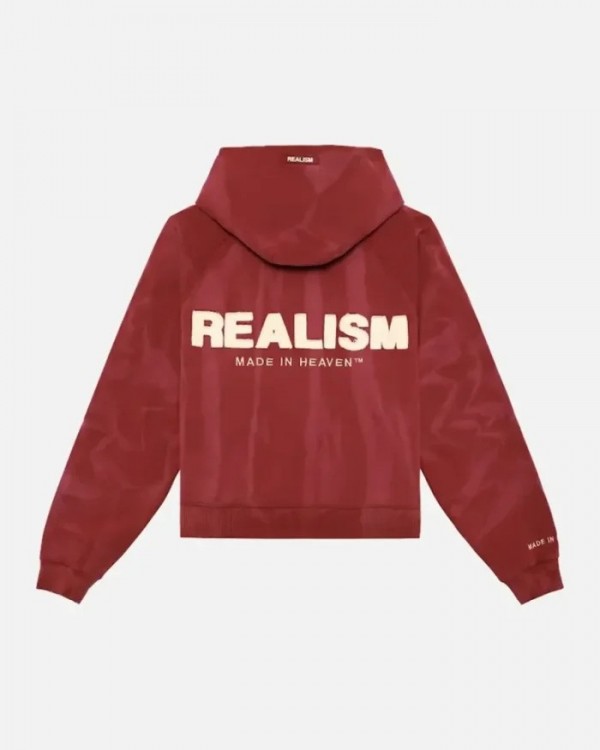
A Movement Born from the Streets
Realism Clothing isn't just another label vying for a slice of the streetwear pie—it's a movement deeply rooted in authenticity, truth, and cultural expression. While fashion has long been an industry fueled by reinvention and illusion, Realism stands firm against the tide, offering a raw, unfiltered narrative that resonates with the streets. This isn't fast fashion. It’s fashion that moves with purpose, telling stories stitched from urban decay, everyday struggles, artistic rebellion, and unrelenting self-belief.
The very name "Realism" sets the tone for the brand’s philosophy. In a world oversaturated with curated perfection and Instagram facades, Realism brings something rare—honesty. Whether through its graphics, silhouettes, or limited drops, the brand is a reflection of the world as it is, not as we pretend it to be. Its garments are not just worn; they’re lived in. They absorb the wearer’s narrative, becoming personal artifacts of identity and experience.
Design as Social Commentary
What truly sets Realism apart is how it treats clothing as a medium of conversation. Each piece functions like a canvas—covered in cryptic slogans, symbolic motifs, and distorted imagery that prompts introspection and dialogue. It’s not uncommon to find references to gentrification, consumerism, inner-city resilience, or socio-political themes embedded in their graphics. These aren’t random choices; they’re calculated expressions of urban life, meant to challenge, provoke, and, most importantly, represent.
Instead of chasing seasonal trends or mimicking high-fashion aesthetics, Realism Clothing focuses on timeless statements. The designs tap into a shared cultural consciousness, often inspired by the lives of working-class youth, underground art, and real-world tensions. It’s this fusion of gritty realism and conceptual art that makes each drop more than just clothing—it becomes wearable resistance.
Minimalism Meets Edge: The Aesthetic Breakdown
While the philosophy behind Realism Clothing is layered and complex, its visual language is surprisingly clean. The aesthetic walks a fine line between minimalist cuts and statement-making details. Boxy fits, oversized tees, utility jackets, and cargo pants dominate their catalog—each silhouette echoing a kind of utilitarian cool that’s both functional and rebellious.
The brand often opts for a muted, earthy color palette—charcoal, olive, stone, black—interrupted by bold prints or stark typography. This balance between rawness and restraint gives Realism an identity that’s instantly recognizable but never overbearing. It’s not about screaming for attention; it’s about commanding respect through presence and authenticity.
Textures also play a key role. Heavy cotton, raw denim, and rugged twills make frequent appearances, reinforcing the durability and workwear-inspired undertones of the collection. These are clothes made to be worn hard, not babied.
More Than Hype: A Cult Following Built on Meaning
In a streetwear culture often dominated by hype drops, resale margins, and influencer endorsements, Realism Clothing does things differently. The brand doesn’t rely on celebrity co-signs or flashy marketing stunts. Instead, it builds loyalty the old-fashioned way—by creating pieces that genuinely resonate with its audience.
This has led to the development of a tight-knit, almost cult-like community that identifies with the brand’s ethos. Fans of Realism aren’t just consumers—they're contributors to a larger cultural dialogue. Whether on underground fashion forums, in music videos by emerging artists, or in graffiti-strewn alleyways of urban cities, Realism is present in the places that matter most.
Its exclusivity isn’t based on scarcity—it’s based on understanding. If you get it, you get it. And if you don’t, Realism isn’t interested in convincing you.
The Intersection of Fashion and Philosophy
At its core, Realism Clothing is more than just a brand—it’s a form of visual philosophy. It borrows from the intellectual rigor of realism as an art movement, where the goal is to represent subjects truthfully, without sugarcoating or idealizing them. Translated into fashion, this means every collection becomes a living document of reality—whether that reality is beautiful, brutal, or both.
This philosophical stance permeates every layer of the brand—from its DIY-inspired visual campaigns to its street-casted models and unapologetic tone. Realism Clothing doesn’t tell you what to think—it simply presents what is. In doing so, it invites the wearer to interpret, reflect, and even rebel.
It’s a kind of wearable consciousness that challenges the notion of clothing as shallow or disposable. With Realism, fashion becomes political. It becomes personal. And it becomes real.
Influence Beyond the Fabric
What makes Realism particularly powerful is its cultural footprint beyond the actual garments. The brand has quickly embedded itself into the visual identity of underground music scenes, independent film, spoken-word poetry, and street art collectives. In essence, it has become a symbol—a shorthand for authenticity in creative spaces.
Rappers, skaters, digital artists, and documentarians have all embraced the brand not because of corporate backing, but because Realism aligns with their lived realities. It speaks their language, shares their pain, and uplifts their vision. The brand becomes an amplifier for voices often sidelined by mainstream fashion narratives.
This organic integration into cultural sub-scenes has elevated Realism to more than just a clothing line. It’s a badge of creative defiance, a signal to the world that you stand for something deeper than aesthetics.
Limited Drops, Lasting Impact
Realism’s approach to production is intentionally limited. Drops are few and far between, often sold out within hours—not because they’re inflated by artificial hype, but because demand is rooted in genuine connection. Each release feels like a rare artifact, a collectible with emotional weight.
This strategy not only fosters anticipation but also reinforces the idea that clothing should be intentional, not impulsive. In a world of microtrends and overconsumption, Realism offers a slower, more thoughtful rhythm that’s aligned with sustainability—both environmental and cultural.
There’s no room for fluff in a Realism collection. Every item serves a purpose, every message hits a nerve, and every drop feels like a cultural event.
The Future: Staying True While Evolving
Looking ahead, Realism Clothing seems poised for steady, meaningful growth. The challenge for any brand with such a rooted identity is expansion without dilution. But given its core philosophy, Realism has the potential to grow not by changing, but by deepening its message—exploring new mediums, collaborating with authentic voices, and continuing to reflect the world as it is.
There’s talk of possible zine releases, film collaborations, and even guerrilla pop-ups in cities known for their cultural grit. Whatever direction Realism chooses, one thing’s certain—it won’t follow trends. It will shape them through truth, courage, and uncompromising vision.
Final Word: Why Realism Clothing Matters
In an era of synthetic culture and algorithm-driven fashion, Realism Clothing is a breath of fresh, gritty air. It reminds us that clothing is not just about what you wear—it’s about what you represent. It’s about making a statement without uttering a word. It’s about showing up as you are, in all your complexity, flaws, and fire.
Realism is not for everyone, and that’s exactly the point. It doesn’t want to be everything to everyone. It wants to be something real to someone real.
And in today’s fashion landscape, that makes it revolutionary.