
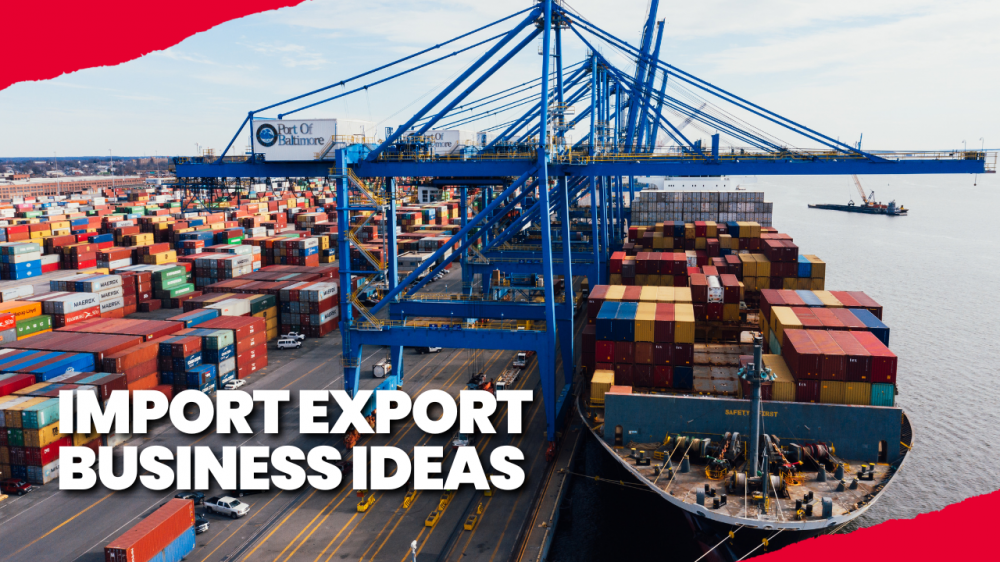
Starting an import and export business is one of the best ways to expand into global markets and earn profits by trading products across countries. With the rise of digital platforms, international trade has become more accessible for entrepreneurs, small businesses, and startups. If you are planning to enter this field, understanding the basics is the first step toward success.
Understand the Basics of Import and Export
The import business means bringing goods from another country into your local market, while the export business means selling goods from your country to foreign buyers. Both require strong knowledge of products, suppliers, shipping, and regulations. Choosing the right niche is important—for example, clothing, electronics, food items, or handicrafts.
Research Market Demand
Before starting, you must conduct thorough market research. Study which products are in demand in your target country. For example, countries in the Middle East import a large amount of spices, textiles, and machinery, while Western countries often look for IT services, organic products, and handicrafts. By identifying profitable products, you can minimize risks and maximize profits.
Register Your Business
To run a legal import-export business, you must register your company. In most countries, this includes obtaining:
-
A valid business license
-
Import Export Code (IEC) or similar permit
-
Tax identification number
These registrations are mandatory for international trade and also help build trust with buyers and suppliers.
Find Suppliers and Buyers
The success of your import-export business depends on reliable suppliers and buyers. You can connect with them through trade fairs, B2B platforms like Alibaba, IndiaMART, or global trade directories. Building relationships with genuine partners ensures timely delivery, quality products, and long-term growth.
Arrange Logistics and Shipping
International trade requires smooth logistics. Choose whether you want to ship by air, sea, or road, depending on product type and budget. Partnering with a trusted freight forwarder can simplify customs clearance, packaging, and insurance. For small businesses, many courier companies also offer affordable export services.
Importance of Issuing Invoices and Bills
In the import and export business, issuing proper invoices and bills is extremely important. These documents act as legal proof of the transaction and are required by both buyers and customs authorities. An invoice clearly mentions product details, quantity, price, tax, shipping charges, and payment terms. Without a valid invoice, goods can get delayed at customs, and disputes may arise between buyer and seller.
Bills and invoices also help in maintaining financial records for your company. They are necessary for accounting, tax filing, and claiming export incentives offered by governments. A professional invoice not only ensures transparency but also builds trust with international clients. Today, many businesses use digital invoice generators to create accurate, Tax-compliant, and professional bills instantly.
Learn About Legal and Customs Regulations
Every country has its own import and export regulations. You need to understand product restrictions, taxes, duties, and documentation. Common documents include invoices, packing lists, shipping bills, and certificates of origin. Following proper regulations helps avoid delays and penalties.
Promote Your Business
Once you are ready, the next step is to market your products. Create a professional website, showcase your products on B2B marketplaces, and use digital marketing strategies like SEO, email marketing, and social media promotions. This will help you reach global buyers and expand your brand internationally.
Final Thoughts
Starting an import and export business may seem challenging at first, but with the right planning and knowledge, it can be highly profitable. Begin with small shipments, understand the process, and gradually scale your operations. By focusing on quality, proper billing, strong networks, and reliable logistics, you can successfully establish your presence in the global trade market.