
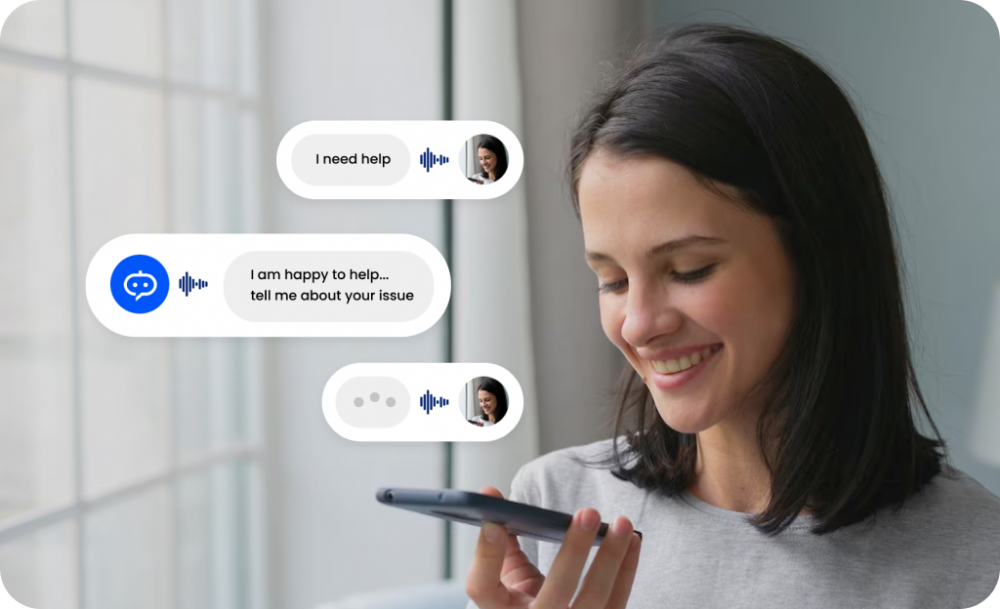
The insurance industry is undergoing a rapid transformation, driven by changing customer expectations, digital innovation, and the demand for instant service. In this evolving landscape, insurance companies are turning to technology not just to stay competitive but to lead. One of the most impactful tools enabling this transformation.
Built using artificial intelligence and natural language processing, they are intelligent virtual assistants that engage customers in real time. From helping users buy policies to assisting with claims, these digital agents offer a seamless, always-on customer experience that today’s policyholders demand.
Here’s a closer look at how insurance companies can benefit from deploying a chatbot across their digital channels.
- 24/7 Customer Support Without Extra Overhead
Chatbots are always available, unlike human agents who operate in shifts. Whether it’s a weekend or late at night, customers can get their queries answered instantly be it policy details, premium payments, or claim procedures. This 24/7 availability significantly enhances customer satisfaction without requiring additional manpower or costs.
- Faster Policy Purchase and Renewals
A well-programmed chatbot can guide users through the process of purchasing or renewing an insurance policy in just a few clicks. By offering instant quotes, comparing options, and answering FAQs, chatbots simplify the decision-making process making it easier for customers to act without delays.
- Seamless Claims Processing
Filing a claim is often one of the most challenging parts of the insurance process. Chatbots streamline this process by helping users report incidents, upload documents, and track claim status in real time. It eases the workload for claims agents while also providing customers with ongoing updates and clear transparency.
- Significant Cost Reduction
Chatbots reduce operational costs by automating thousands of routine queries and transactions that would otherwise require human intervention. This allows insurance companies to scale their operations without proportionally increasing their workforce resulting in significant cost savings over time.
- Lead Generation and Qualification
Chatbots can proactively engage website or app visitors to collect lead information, ask qualifying questions, and direct high-intent users to sales agents. This creates a more efficient sales funnel and ensures that agents focus on leads that are more likely to convert.
- Multilingual and Omnichannel Support
Pre-Trained insurance chatbot can converse in multiple languages and operate across various platforms websites, mobile apps, social media, and messaging apps like WhatsApp or Facebook Messenger. This ensures customers receive consistent support, no matter where or how they choose to interact.
- Personalized Customer Interactions
Chatbots can deliver personalized responses by accessing customer data through integration with CRM and policy management systems. Whether reminding a user about an upcoming renewal or suggesting add-ons based on their profile, personalized interactions build stronger relationships and increase cross-sell or upsell opportunities.
- Improved Compliance and Record-Keeping
Chatbots maintain detailed logs of all interactions, which can be invaluable for auditing, training, or compliance purposes. Since responses are standardized, the risk of human error or inconsistent messaging is minimized helping insurers stay compliant with regulatory standards.
Looking Ahead
As the insurance industry becomes more customer-centric, chatbots are no longer a futuristic idea they're a strategic necessity. From cutting costs and accelerating sales to improving service quality and customer retention, the benefits are too substantial to ignore.
For insurance companies looking to gain a competitive edge, now is the time to adopt intelligent chatbot solutions. With the right implementation, a chatbot can be much more than a customer service tool it can be a trusted digital advisor that enhances the entire customer journey.