
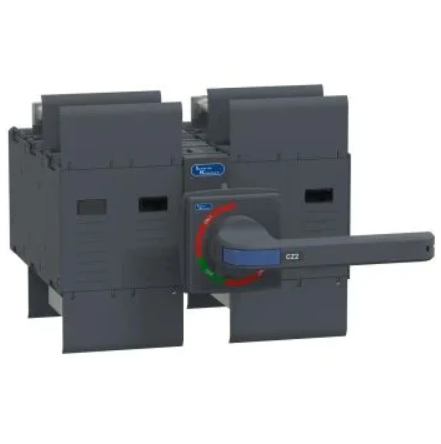
Industrial automation has reshaped the way industries operate, improving efficiency, safety, and consistency across manufacturing, power systems, and processing plants. At the heart of this transformation are reliable switching and control devices that manage heavy electrical loads with precision. One such essential component is the electrical contactor, a highly efficient device used to control high-power circuits. Closely related are magnetic contactors, specialized versions designed to provide fast and safe switching for motors, pumps, compressors, and industrial machinery.
These devices are the backbone of automated systems, making them indispensable for modern industrial environments. In this comprehensive guide, we explore the applications, importance, and advantages of using electrical and magnetic contactors in industrial automation.
Introduction to Contactors in Industrial Automation
A contactor is an electrically operated switch used for switching an electrical circuit on or off. Unlike manual switches, contactors allow remote control and handle higher electrical loads, making them ideal for industrial applications.
Why Contactors Matter
- They ensure safe switching of heavy loads.
- They reduce human intervention by allowing automated operation.
- They protect equipment from electrical faults such as overloads and short circuits.
- They ensure long-term system reliability and operational efficiency.
Both the electrical contactor and magnetic contactors are essential tools for engineers designing automated industrial systems.
Understanding the Electrical Contactor
An electrical contactor is a type of relay that controls electrical power circuits with high current flow. It operates through an electromagnetic coil that opens or closes contacts when energized.
Key Features
- High load-handling capacity
- Remote switching capability
- Auxiliary contacts for control circuits
- Durable and designed for repetitive operation
Where It Is Commonly Used
- Motor control systems
- Lighting circuits
- Capacitor banks
- Electric heaters
- HVAC systems
These characteristics make the electrical contactor a core component in systems requiring frequent switching and safe power control.
What Are Magnetic Contactors?
Magnetic contactors are a subclass of electrical contactors that use electromagnetic principles to open or close circuits. Unlike mechanical switches, they minimize wear and ensure rapid operation.
Benefits of Magnetic Contactors
- Faster response time
- Less maintenance
- No manual effort needed
- Improved system reliability
- High electrical endurance
These contactors excel in environments where continuous and repetitive switching is required.
Why Contactors Are Essential in Industrial Automation
Industrial automation relies heavily on accurate, reliable, and efficient control of electrical systems. Contactors play a crucial role because they:
- Allow automated systems to control high-load machines
- Enable safe switching without manual intervention
- Prevent equipment damage by integrating with overload relays
- Support programmable logic controllers (PLCs)
- Improve energy efficiency and plant uptime
With industries becoming more automated, the significance of the electrical contactor and magnetic contactors has increased exponentially.
Top Applications of Electrical and Magnetic Contactors in Automation
Industrial automation spans various sectors, each requiring specialized control over electrical loads. Below are the most important applications.
Motor Control Centers (MCCs)
Motor control centers rely heavily on magnetic contactors for switching motors on and off. Industries such as manufacturing, water treatment, and mining use MCCs to manage dozens or even hundreds of motors.
How Contactors Help:
- Provide safe motor startup and shutdown
- Automate motor sequences
- Work with overload relays for protection
- Integrate with PLCs for intelligent operation
This is one of the most widespread applications of contactors in automation.
HVAC Automation Systems
HVAC units in commercial buildings and industries require precise control of compressors, blowers, and cooling systems. The electrical contactor ensures smooth operation and protection from electrical faults.
Role of Contactors:
- Switch high-power fans and compressors
- Enable energy-efficient HVAC cycles
- Prevent overheating through coordinated protection
Industrial Pumps and Compressors
Pumps and compressors operate continuously in industries like petrochemicals, pharmaceuticals, and agriculture. Magnetic contactors help start and stop these machines without manual intervention.
Key advantages:
- High electrical endurance
- Quick fault disconnection
- Compatibility with automation systems
Conveyor and Material Handling Systems
Conveyor belts and automated material handling equipment rely on contactors for motion control.
They need fast switching and synchronization with sensors, making magnetic contactors ideal.
Applications include:
- Packaging lines
- Assembly plants
- Logistic centers
Industrial Heating and Furnace Control
High-temperature heating systems require precise switching and monitoring. The electrical contactor helps regulate heaters in:
- Smelting industries
- Ceramic manufacturing
- Food processing units
Its ability to handle high current makes it a suitable choice for heating circuits.
Lighting Automation in Large Facilities
Industrial lighting systems consume significant power and require centralized control. Contactors enable:
- Automated lighting schedules
- Remote switching
- Load balancing and energy savings
Automated Assembly Lines
High-speed manufacturing environments use magnetic contactors to synchronize various motors, sensors, and machines.
Examples include:
- Automotive assembly
- Electronics manufacturing
- Packaging machinery
Contactors ensure uninterrupted operation even during frequent switching.
Elevator and Escalator Control Systems
Elevators and escalators require reliable and safe switching control. Contactors provide:
- Quick switching to manage motor operations
- Built-in safety through auxiliary and interlocking contacts
Safety and reliability are the top priorities here, making magnetic contactors indispensable.
Capacitor Bank Switching
Industries use capacitor banks to improve power factor. Contactors play a crucial role in switching capacitor stages on and off.
Benefits include:
- Reduced electricity bills
- Stabilized voltage
- Improved system efficiency
Emergency Shutdown Systems
In hazardous industries such as oil refineries or chemical plants, contactors help manage emergency shutdowns (ESD).
They allow quick disconnection of equipment during:
- Short circuits
- Fire hazards
- Gas leaks
- Overloads
This prevents catastrophic equipment damage and protects personnel.
How Contactors Improve Industrial Safety
Safety is a major concern in automated systems. Both the electrical contactor and magnetic contactors enhance safety by:
- Preventing arc flashes
- Ensuring quick disconnection during faults
- Supporting overload and short-circuit protection
- Allowing safe remote operation
- Ensuring compliance with safety standards
Contactors also protect expensive machinery from damage during electrical faults.
Factors to Consider When Selecting Contactors
Choosing the right contactor ensures compatibility, safety, and efficiency.
Load Type
- Motor loads → Magnetic contactors
- Resistive loads → Electrical contactor
Voltage and Current Ratings
Contactors must match the operating electrical parameters.
Duty Cycle
Frequent switching requires durable contactors with high mechanical endurance.
Environmental Conditions
Dusty or humid environments may require sealed or heavy-duty contactors.
Control System Integration
For PLC-based automation, choose contactors compatible with control logic devices.
Maintenance Tips for Long-Lasting Contactors
Proper maintenance ensures uninterrupted operation:
- Regularly inspect contact surfaces
- Clean dust and carbon buildup
- Test coil performance
- Replace worn-out contact tips
- Check auxiliary contacts for proper functioning
- Ensure correct wiring and load distribution
A well-maintained contactor extends the life of the entire automation system.
Conclusion
From motor control centers to lighting automation and conveyor systems, the electrical contactor and magnetic contactors are indispensable components that enhance the reliability, safety, and efficiency of industrial automation. These devices ensure seamless switching, protect machinery from faults, and support the growing demands of modern industries. For organizations seeking high-quality contactors and advanced electrical solutions, Lauritz Knudsen Electrical and Automation provides trusted, durable, and expertly engineered products designed to meet today’s complex automation needs.