
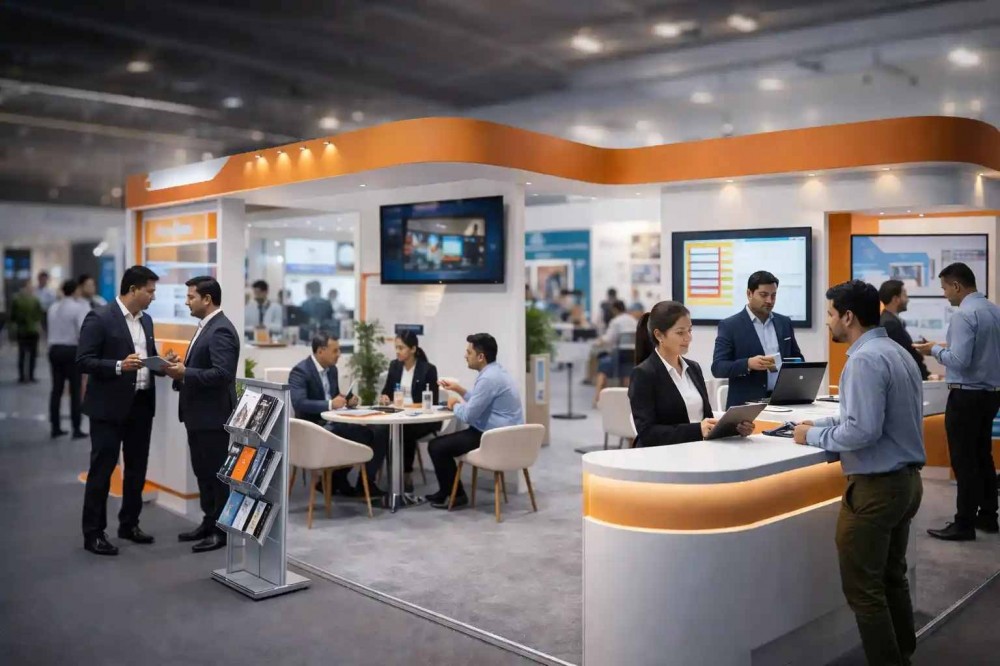
Participating in exhibitions is a serious investment for businesses. From planning budgets to training staff, everything is done with the hope that the event will generate visibility, connections, and long-term value. In this entire process, the role of an exhibition booth designer in Delhi often becomes the deciding factor between a smooth experience and a stressful one.
Many people think booth design is only about how the stall looks. In reality, it is a structured work process that starts long before the event and continues until the booth is dismantled. Understanding this process helps businesses set the right expectations and work more effectively with designers.
This guide breaks down the complete work process of an exhibition booth designer in Delhi, step by step, in a simple and practical way.
Why Understanding the Booth Design Process Matters
When businesses understand how booth designers work, communication improves. Expectations become clearer, timelines are respected, and last-minute surprises are reduced.
An experienced exhibition booth designer in Delhi does much more than create visuals. Their job involves planning, coordination, compliance, and problem-solving — all under tight deadlines.
Step 1: Understanding the Client’s Objective
Every booth design starts with one basic question: Why is the brand participating in the exhibition?
At this stage, the exhibition booth designer focuses on:
-
Brand goals
-
Target audience
-
Type of interaction expected
-
Budget range
Without this clarity, even a visually attractive booth may fail to deliver results.
Step 2: Studying the Exhibition Space
Once objectives are clear, the designer studies the allocated stall space.
This includes:
-
Stall size and shape
-
Open sides or corner placement
-
Height restrictions
-
Entry and exit points
An exhibition booth designer in Delhi must also consider venue-specific rules, which can vary widely across exhibition grounds.
Step 3: Concept Development and Layout Planning
This is where ideas begin to take shape.
The designer creates:
-
Initial layout plans
-
Visitor movement flow
-
Interaction zones
-
Display positioning
The focus is always on function first, design second. A booth should guide visitors naturally, not confuse them.
Step 4: Translating Brand Identity into Design
A booth is a physical representation of a brand.
At this stage, the exhibition booth designer in Delhi aligns:
-
Colours and finishes
-
Visual elements
-
Brand messaging hierarchy
The goal is clarity, not clutter. Overloading a booth with information often reduces engagement.
Step 5: 3D Visualisation and Design Finalisation
Once the concept is approved, designers usually prepare detailed visuals.
These visuals help:
-
Visualise the final booth
-
Identify potential issues early
-
Align expectations between all parties
This step reduces misunderstandings during fabrication and installation.
Step 6: Material Selection and Structural Planning
Materials affect durability, safety, and overall appearance.
A professional exhibition booth designer in Delhi considers:
-
Structural stability
-
Finish quality
-
Weight limitations
-
Reusability
Material choices are always balanced between design intent and practical execution.
Step 7: Coordination with Fabrication Teams
Designs must be built accurately.
Designers work closely with:
-
Fabricators
-
Electricians
-
Graphic teams
Clear coordination ensures the final booth matches the approved design and complies with safety standards.
Step 8: Electrical and Lighting Planning
Lighting and power planning are often underestimated but critically important.
Designers plan:
-
Lighting focus areas
-
Power load distribution
-
Backup considerations
Proper lighting enhances visibility and creates a comfortable environment for visitors.
Step 9: Compliance with Exhibition Guidelines
Every exhibition venue has strict rules related to:
-
Booth height
-
Fire safety
-
Electrical usage
An experienced exhibition booth designer in Delhi ensures designs meet these guidelines before fabrication begins, avoiding costly last-minute changes.
Step 10: Pre-Event Checks and Coordination
Before the event, designers double-check:
-
Fabrication accuracy
-
Graphic placement
-
Hardware readiness
This stage helps identify issues early, reducing stress during installation.
Step 11: On-Site Installation Supervision
Designers are often present during setup to:
-
Guide installation teams
-
Resolve layout adjustments
-
Ensure finishing quality
On-ground supervision helps maintain design integrity under real conditions.
Step 12: Final Touches and Walk-Through
Before the event opens, designers conduct a final check.
They review:
-
Lighting balance
-
Graphic alignment
-
Visitor flow clarity
Small adjustments at this stage can significantly improve booth performance.
Step 13: During-Event Support (If Required)
In some cases, designers assist during the event for:
-
Minor fixes
-
Layout adjustments
-
Damage control
This flexibility is valuable in busy exhibition environments.
Step 14: Post-Event Dismantling Planning
The designer’s role does not always end with the event.
They often help plan:
-
Safe dismantling
-
Material handling
-
Storage or reuse planning
Many booth damages happen during rushed breakdowns, not during the event itself.
Common Mistakes Avoided Through a Structured Process
By following a defined process, exhibition booth designers help avoid:
-
Poor space utilisation
-
Last-minute design changes
-
Compliance issues
-
Installation delays
Structure reduces risk.
Why Local Experience Matters in Delhi
Delhi exhibitions have unique challenges:
-
Large crowds
-
Tight schedules
-
Strict venue rules
An exhibition booth designer in Delhi understands these realities and plans accordingly, which makes execution smoother.
How Businesses Can Support the Design Process
To get better results, businesses should:
-
Share clear objectives
-
Approve designs on time
-
Avoid last-minute changes
Collaboration improves outcomes.
The Bigger Picture: Design as a Process, Not a Task
Booth design is not a single step. It is a sequence of decisions that affect every stage of exhibition participation.
When treated as a process, design becomes predictable and manageable rather than stressful.
Conclusion
The work process of an exhibition booth designer in Delhi goes far beyond visuals. It involves understanding goals, planning layouts, coordinating teams, managing compliance, and supporting execution on the ground.
When businesses understand this process, they are better prepared to collaborate, plan timelines realistically, and avoid common mistakes. A structured approach leads to smoother exhibitions, better visitor experiences, and fewer last-minute surprises.
In the end, successful booths are not built on creativity alone. They are built on planning, coordination, and attention to detail — applied consistently from concept to completion.