
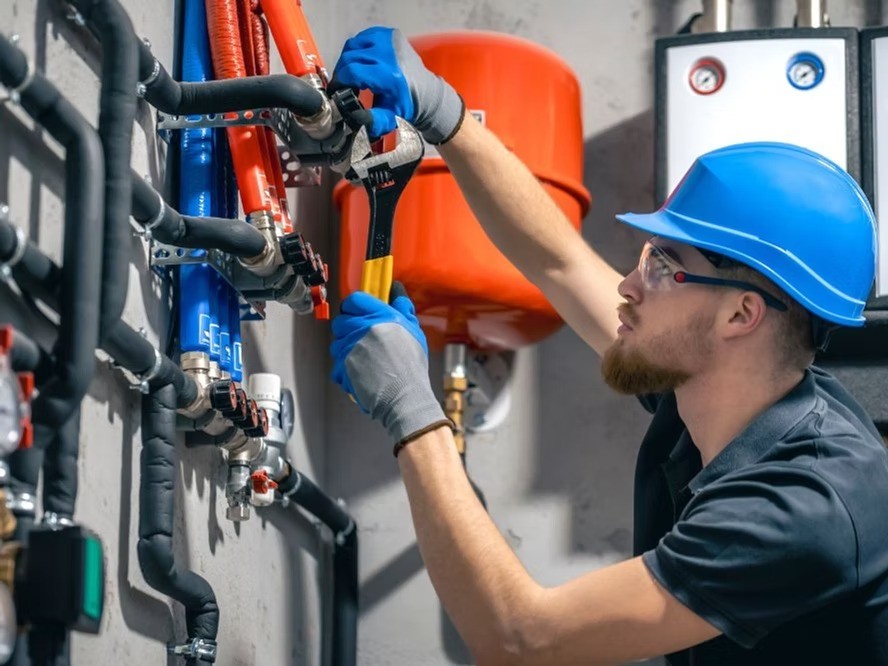
Melbourne's homes face unique challenges from ageing plumbing, variable weather, and sprawling suburbs built on clay soils that shift over time. Hidden leaks in water or gas lines can silently erode your property's value, spike utility bills, and pose serious health risks. As a homeowner, knowing how often to schedule professional Melbourne leak detection services isn't just smart. It's essential for protecting your biggest investment.
In this guide, we'll explore evidence-based recommendations on leak detection frequency, drawing from plumbing industry standards like those from the Master Plumbers Association of Australia and real-world data on Melbourne's infrastructure. Whether you're in a weatherboard in Fitzroy or a brick veneer in the outer east, proactive checks can save thousands in repairs.
Why Regular Leak Detection Matters in Melbourne Homes
Leaks don't announce themselves with fanfare; they drip away undetected, causing up to 20% of water wastage in Australian households, according to Water Services Association of Australia reports. In Melbourne, where average water bills hit $800–$1,000 annually, even a small undetected leak under your slab can add hundreds to your tab.

Beyond finances, leaks breed mould, weaken structures, and gas lines create explosion hazards. The Victorian Building Authority notes that undetected gas leaks contribute to hundreds of emergency calls yearly. Professional detection uses non-invasive tech like acoustic sensors, thermal imaging, and CCTV drain cameras, pinpointing issues without demolition.
Scheduling checks prevents escalation. A minor wall seep caught early avoids full rewalls costing $10,000+. Experts recommend frequency based on home age, water usage, and local conditions, let's break it down.
Recommended Schedule: How Often Should You Book a Check?
No one-size-fits-all, but here's a tailored guide grounded in Australian plumbing guidelines:
- New Homes (Under 10 Years Old): Every 2–3 years. Modern pipes like copper or PEX resist corrosion, but builder oversights or settling foundations warrant biennial scans, especially post-drought cycles that stress systems.
- Homes 10–25 Years Old: Annually. This era's homes often have galvanised iron pipes prone to rust in Melbourne's humid spells. High-usage families (four+ members) should go biannually.
- Older Homes (25+ Years): Every 6 months. Pre-1990s builds frequently hide polybutylene pipes that degrade, plus underground services are vulnerable to tree roots and clay soil movement.
- High-Risk Scenarios: Immediate or quarterly checks if you notice surging bills (10%+ jump), damp patches, musty odours, or bubbling paint. Post-renovation, flood, or earthquake-prone areas like the Dandenongs demand prompt action.
These intervals align with AS/NZS 3500 plumbing standards, prioritising prevention. MGR Leak Detection, a Melbourne specialist, tailors schedules using advanced diagnostics to match your property's profile.
Signs It's Time for Leak Detection—Don't Wait for These Red Flags
Even on schedule, vigilance pays off. Monitor for:

- Water Bills: A 5–10% unexplained rise signals a leak wasting 200+ litres daily.
- Visible Clues: Warped flooring, peeling paint, or lush lawn patches over pipes.
- Audible Hints: Hissing sounds from walls or gurgling drains.
- Gas Indicators: Rotten egg smells, dead plants, or flu-like symptoms in occupants.
- Meter Checks: Turn off all taps; if the meter spins, you've got a leak.
Ignoring these can lead to slab heaves costing $20,000+ to fix. Early intervention via pros like MGR Leak Detection keeps costs under $500 typically.
The Tech Behind Effective Leak Detection
Gone are the days of guesswork. Modern Melbourne leak detection employs:
- Acoustic Detection: Listens for leak 'songs' through pipes, ideal for slabs.
- Thermal Imaging: Spots temperature anomalies from escaping water.
- Pressure Testing: Measures drops indicating breaches.
- CCTV Cameras: Inspect drains without digging.
These tools, licensed under Victorian regulations, ensure accuracy without property damage. For gas, tracer gas methods locate pinholes swiftly.
Benefits of Professional Over DIY Checks
DIY dye tests or meter reads help, but pros access hidden realms. Benefits include:
- Precision: 95%+ accuracy vs. DIY's hit-or-miss.
- Compliance: Reports for insurance or pre-purchase, vital in Melbourne's hot property market.
- Cost Savings: A $300 detection averts $5,000 repairs.
- Safety: Certified techs handle gas risks per WorkSafe Victoria.
Struggling with high bills? Detection often pairs with repairs, slashing usage 30%.
Tailoring Leak Detection to Melbourne's Unique Challenges
Our city's coastal humidity accelerates corrosion, while hot summers strain hot water systems. Suburbs like St Kilda (high-rises) need balcony checks; rural fringes battle bore water issues. Pre-purchase inspections are booming, with 15% of Melbourne sales uncovering leaks per Domain data.
Insurance loves proactive homeowners—many policies discount premiums for recent reports. Schedule around wet seasons (June–August) to preempt flood-amplified damage.
Partnering with Experts Like MGR Leak Detection
For reliable service, choose licensed locals versed in Melbourne's quirks. MGR Leak Detection stands out with 24/7 availability, state-of-the-art gear, and glowing reviews for non-invasive fixes. Their team delivers insurance-grade reports, underfloor scans, and gas safety checks, restoring peace without mess.
Investing in regular detection isn't an expense. It's foresight. Contact pros today to benchmark your home.
Final Thoughts: Act Now for a Leak-Free Future
Homeowners should schedule leak detection every 6–36 months based on age and risks, adapting to Melbourne's demanding environment. This humane approach safeguards families, cuts bills, and preserves homes for generations.
Prioritise your property, book a check and sleep soundly.





