

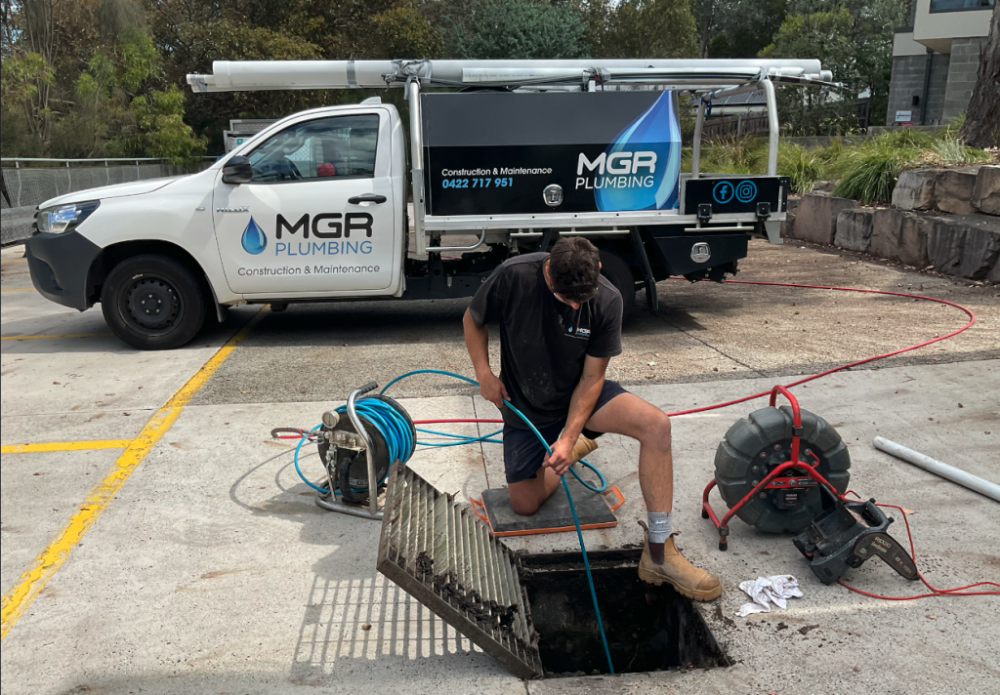
Stormwater drains play a very important role in protecting homes, buildings, and public spaces across Australia. They are designed to move rainwater away from roofs, driveways, roads, and yards so it does not build up or cause damage. When these drains work well, most people never think about them. But when they become blocked, serious problems can follow.
Blocked drains are one of the most common causes of local flooding, property damage, and long-term maintenance issues. Understanding how these drains work, why they block, and how they affect flood prevention can help property owners take action before small issues turn into costly repairs.
What Are Stormwater Drains and Why Are They Important?
Stormwater drains collect rainwater and move it safely away from properties. This includes water from roofs, gutters, paved areas, and nearby streets. The water is usually directed into underground pipes and then released into natural waterways or council drainage systems.

These drains are especially important during heavy rain, which is becoming more common in many parts of Australia. Without clear stormwater drains, water has nowhere to go. It then starts to pool around buildings, soak into the ground, or flow back toward homes. In short, stormwater drains are a key part of flood prevention and property protection.
Common Causes of Blocked Stormwater Drains
Stormwater drains can become blocked for many simple reasons. Over time, leaves, dirt, and garden waste can wash into the system. Tree roots may also grow into underground pipes, causing cracks or full blockages.
Other common causes include:
- Roof debris from gutters
- Mud and soil washed in during storms
- Litter and plastic waste
- Broken or collapsed pipes
- Poor original drainage design
These issues often build up slowly, which means many property owners do not notice a problem until heavy rain arrives.
How Blocked Drains Affect Homes and Buildings
When stormwater drains are blocked, rainwater cannot flow away as it should. This can cause water to pool around the foundations of a property. Over time, this extra moisture can weaken the structure of a building and lead to cracks in walls or floors.

Water may also enter garages, basements, or lower levels of a home. Even small amounts of flooding can damage flooring, walls, furniture, and electrical systems. Damp areas can also encourage mould growth, which can affect indoor air quality and health.
The Link Between Blocked Drains and Flooding
Blocked rains greatly reduce a property’s ability to handle heavy rain. During storms, water builds up quickly and spills over into areas where it should not be. Streets may flood, yards can become waterlogged, and nearby properties can be affected.
In the middle of many drainage problems are blocked stormwater drains, which stop water from moving through the system. When several drains in a local area are blocked, the risk of flash flooding increases even more.
Warning Signs You Should Not Ignore
Blocked drains often show warning signs before serious damage occurs. These signs are easy to miss if you do not know what to look for. Common warning signs include:
- Water pooling in the yard or driveway after rain
- Overflowing gutters or downpipes
- Slow drainage from outdoor grates
- Unusual smells near drain openings
- Water stains on walls or ceilings
If these signs are ignored, the problem can worsen quickly during the next heavy rainfall.
Long-Term Risks of Ignoring Blocked Drains
Ignoring blocked stormwater drains can lead to long-term damage that is expensive to repair. Ongoing water exposure can weaken foundations and cause soil movement under buildings. This may result in uneven floors or structural cracking.
Insurance claims may also be affected if damage is linked to poor maintenance. In some cases, councils may issue notices if stormwater systems are not kept clear, especially when runoff affects neighbouring properties.
Regular checks and early action are far more affordable than major repairs after flooding has occurred.
Simple Steps Property Owners Can Take
There are a few simple habits that can help reduce the risk of blocked drains:
- Keep gutters clean and free of debris
- Clear leaves and dirt from outdoor drain grates
- Avoid planting large trees too close to drainage pipes
- Check drainage after heavy rain
- Arrange professional inspections if problems keep returning
These steps can make a big difference, especially before storm seasons.
Conclusion
Blocked drains can have a serious impact on properties and flood prevention across Australia. From water damage and mould growth to structural issues and local flooding, the risks are often greater than people expect. Paying attention to early warning signs and maintaining drainage systems can help protect homes and businesses from unnecessary damage.
When stormwater drainage problems become ongoing or severe, professional support can provide long-term solutions. At MGR Plumbing, they offer experienced services to identify blockages, repair damaged pipes, and improve stormwater systems so properties stay protected. Contact a qualified plumbing professional for an inspection and advice before the next heavy storm causes bigger problems.





