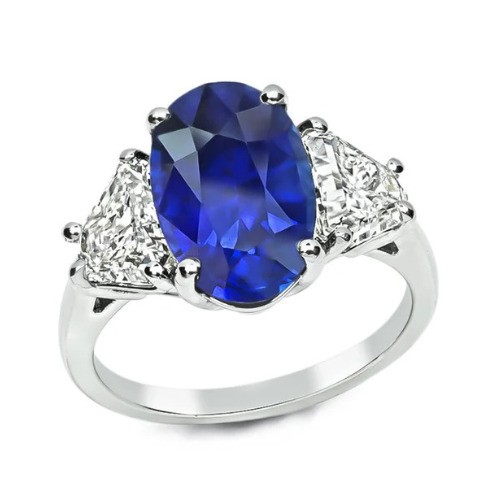
Antique craftsmanship reflected in Vintage engagement rings represents a time when jewelry was not mass-produced but carefully created by skilled artisans who treated each piece as a work of art. These rings are more than symbols of commitment; they are physical expressions of history, patience, and refined artistry. Every curve, setting, and engraving tells a story rooted in an era where precision and personal touch mattered more than speed or volume.
The Meaning of Antique Craftsmanship in Jewelry
Antique craftsmanship refers to traditional jewelry-making techniques that relied heavily on manual skill rather than machines. Before modern manufacturing, jewelers shaped metals by hand, set stones individually, and engraved patterns with meticulous attention. Vintage engagement rings preserve these methods, showcasing techniques that are rarely replicated today.
This craftsmanship results in subtle imperfections that actually enhance the character of the ring. Unlike modern designs that emphasize symmetry and uniformity, antique-crafted rings embrace individuality, making each piece truly one of a kind.
Historical Eras That Shaped Vintage Engagement Rings
Vintage engagement rings often draw inspiration from distinct historical periods, each contributing unique design elements and craftsmanship styles.
Victorian Era Influence
Rings from the Victorian era emphasize romance and symbolism. Floral motifs, engraved bands, and intricate metalwork were common. Craftsmen used design elements that conveyed emotion, devotion, and storytelling, making these rings deeply personal.
Edwardian Elegance
Edwardian-era craftsmanship is known for its delicacy and refined appearance. Lightweight designs, lace-like metalwork, and detailed filigree define this period. The focus was on elegance and grace, achieved through extraordinary handwork.
Art Deco Precision
Art Deco vintage engagement rings highlight bold geometry, symmetry, and architectural structure. Skilled artisans carefully balanced sharp lines with intricate detailing, reflecting the innovation and confidence of the era while maintaining handcrafted excellence.
Handcrafted Techniques That Define Vintage Rings
What sets vintage engagement rings apart is the craftsmanship techniques used to create them. These methods require expertise that goes beyond automated production.

-
Hand-engraving: Patterns carved directly into metal surfaces add depth and texture that cannot be replicated by machines.
-
Filigree work: Fine metal threads are twisted and soldered into decorative designs, requiring immense precision.
-
Milgrain detailing: Tiny bead-like edges are applied by hand, enhancing softness and antique appeal.
-
Custom stone settings: Each gemstone is individually fitted, ensuring a secure and personalized finish.
These techniques reflect the jeweler’s dedication to quality and longevity.
Unique Diamond Cuts and Stone Character
Vintage engagement rings often feature diamond cuts that differ significantly from modern styles. These cuts were shaped by hand, focusing on natural beauty rather than mathematical perfection. The result is stones with softer brilliance and deeper character.
Because each stone was individually shaped, no two are exactly alike. This individuality aligns perfectly with the philosophy of antique craftsmanship, where uniqueness is valued over uniformity.
Materials Chosen for Longevity and Beauty
Artisans who created vintage engagement rings selected metals not just for appearance, but for durability and workability. The metals were shaped and refined manually, allowing for intricate detailing that stands the test of time.
Over decades, these materials develop a natural patina, adding warmth and depth to the ring. This aging process enhances the charm rather than diminishing it, reinforcing the enduring nature of antique craftsmanship.
Emotional and Symbolic Value of Vintage Engagement Rings
Vintage engagement rings carry emotional depth that extends beyond aesthetics. They connect the wearer to past generations, traditions, and stories of love. Choosing a ring crafted with antique techniques symbolizes appreciation for history, patience, and authenticity.
For many couples, these rings represent a commitment that mirrors the values of the craftsmanship itself—care, effort, and permanence.
Sustainability and Ethical Appeal
Antique craftsmanship reflected in vintage engagement rings also aligns with sustainable values. Reusing and preserving existing jewelry reduces the need for new resource extraction and manufacturing. This approach honors both the environment and the artistry of the past.
Vintage rings offer a responsible alternative for those who value conscious choices without compromising beauty or meaning.
Why Antique Craftsmanship Still Matters Today
In a world driven by speed and mass production, antique craftsmanship stands as a reminder of what true artistry looks like. Vintage engagement rings showcase the results of time, skill, and intention—qualities that remain timeless.
Modern designers often attempt to replicate vintage styles, but authentic antique craftsmanship carries a depth that cannot be recreated. Each ring is a testament to human skill, patience, and creativity.
Conclusion
Antique craftsmanship reflected in vintage engagement rings represents more than a design preference; it embodies history, artistry, and individuality. These rings celebrate a time when jewelry was created slowly, thoughtfully, and with purpose. From intricate metalwork to unique stone settings, every detail reflects the hands and hearts of skilled artisans.
Choosing a vintage engagement ring is a tribute to enduring craftsmanship and meaningful design—an enduring symbol of love shaped by history and preserved for the future.