
Musculoskeletal pain affects millions of people worldwide, limiting mobility, reducing productivity, and diminishing overall quality of life. From desk-related stiffness to sports injuries and chronic conditions, pain in muscles, joints, and connective tissues often requires more than a one-size-fits-all solution. Modern rehabilitation has evolved significantly, blending multiple evidence-based approaches to create more effective, personalized care plans. This integrative mindset is redefining how pain is managed and how the body relearns healthy movement patterns.
Below, we explore how combined therapeutic strategies and purposeful rehabilitation exercises are shaping the future of pain relief and long-term recovery.

Understanding the Complexity of Musculoskeletal Pain
Musculoskeletal pain is rarely caused by a single factor. It may stem from muscle imbalances, joint restrictions, nerve irritation, poor posture, repetitive strain, or previous injuries that never healed properly. Pain often persists because the body adapts to dysfunctional movement patterns, creating a cycle of compensation and overuse.
Traditional approaches sometimes focus only on symptom relief, such as reducing inflammation or masking discomfort. While these methods can be helpful in the short term, they may not address the root cause. A more comprehensive strategy considers biomechanics, neuromuscular coordination, and tissue health together, ensuring both relief and resilience.
The Power of Integrated Treatment Approaches
In recent years, healthcare professionals have increasingly turned to Combo therapy for musculoskeletal pain to address the multi-layered nature of these conditions. Rather than relying on a single modality, combo therapy blends techniques such as manual therapy, soft tissue work, mobility training, and therapeutic exercises.

This approach allows practitioners to treat pain at multiple levels:
Structural: Improving joint alignment and mobility
Muscular: Reducing tension, trigger points, and weakness
Neurological: Restoring proper communication between the brain and muscles
By combining therapies strategically, recovery can be faster and more sustainable, especially for individuals dealing with chronic or recurring pain.
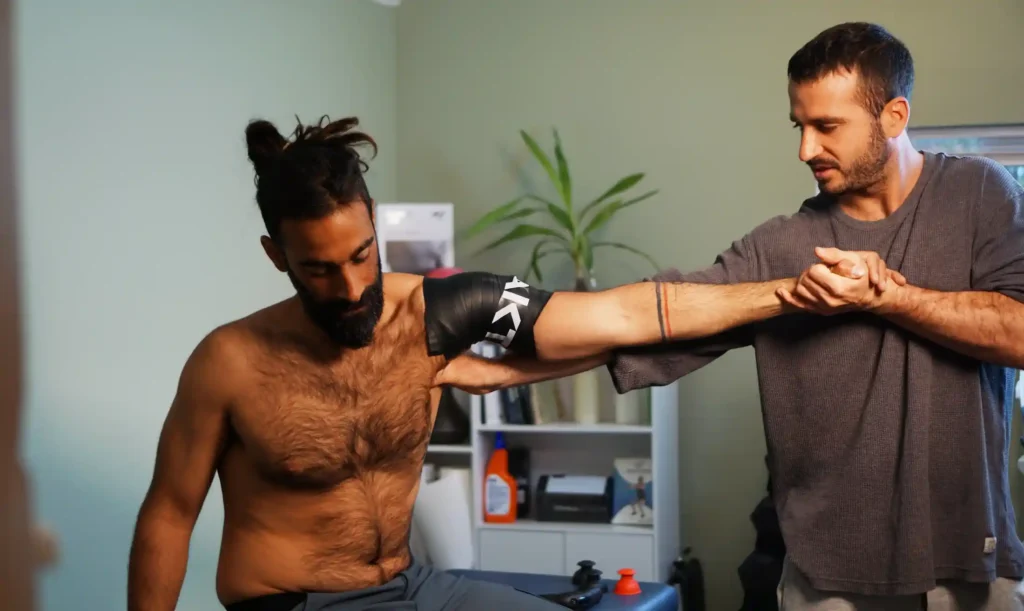
Restoring Balance Through Manual and Movement-Based Care
Manual therapies, including joint mobilization and myofascial release, play a vital role in preparing the body for movement. They help reduce stiffness, increase circulation, and calm overactive muscles. However, hands-on care alone is not enough to ensure lasting improvement.
Movement-based therapies are essential for reinforcing the benefits of manual work. When integrated properly, they teach the body how to move efficiently again, preventing the return of pain. This balance between passive and active care is a cornerstone of effective rehabilitation.
Rebuilding the Brain-Body Connection
One often-overlooked aspect of recovery is neuromuscular re-education. Pain can disrupt how the brain signals muscles, leading to delayed activation or improper firing sequences. Over time, this affects coordination and stability.
This is where Targeted rehab exercise for muscle memory becomes crucial. These exercises are designed not just to strengthen muscles, but to retrain the nervous system. By repeating precise, controlled movements, the body relearns proper mechanics, improving posture, balance, and functional strength.
Muscle memory is not about memorizing movements in the muscles themselves; it is about training the nervous system to respond correctly. Targeted rehab exercises ensure that improved movement patterns become automatic, reducing the likelihood of reinjury.
Preventing Recurrence Through Functional Training
One of the greatest challenges in musculoskeletal care is preventing pain from returning. Functional training bridges the gap between rehabilitation and everyday life. Instead of isolated exercises, functional movements mimic real-world activities such as lifting, bending, reaching, and walking.
When combined with targeted rehabilitation, functional training ensures that improvements translate into daily tasks and athletic performance. This holistic approach empowers individuals to move with confidence, knowing their bodies are prepared for real-life demands.
Personalized Care for Long-Term Results
No two bodies are the same, and effective care recognizes this reality. Personalized treatment plans consider age, activity level, injury history, and lifestyle factors. What works for an athlete recovering from a ligament injury may not suit someone managing chronic back pain from long hours at a desk.
By integrating combo therapies with individualized rehabilitation exercises, care becomes more precise and outcomes more predictable. This tailored approach not only relieves pain but also educates individuals about their bodies, fostering active participation in their own recovery.
Conclusion: A Smarter Path to Pain-Free Living
The future of musculoskeletal care lies in integration, education, and personalization. Addressing pain from multiple angles ensures that treatment is not only effective but also sustainable. Through a thoughtful blend of hands-on techniques and purposeful movement retraining, individuals can break free from the cycle of discomfort and limitation.
By embracing approaches such as combo therapy and targeted rehabilitation exercises, modern care centers are redefining recovery standards. Clinics like thechiropractorr.com exemplify this forward-thinking philosophy, helping individuals move better, feel stronger, and reclaim a more active, pain-free life.





