In today’s fast-paced and digitally driven world, stress has become a constant companion for many people. Long working hours, screen fatigue, poor sleep, and daily responsibilities gradually drain both physical energy and mental clarity. Deep relaxation and rejuvenation are no longer luxuries reserved for occasional breaks—they are essential practices for maintaining long-term health, balance, and happiness. This guide explores what true relaxation means, why it matters, and how you can integrate rejuvenating practices into your everyday life.
Understanding Deep Relaxation
Deep relaxation goes beyond simply resting or taking a short break. It is a state where the body and mind fully release tension, allowing the nervous system to shift from a constant “fight or flight” mode into a calmer “rest and restore” state. During deep relaxation, breathing slows, muscles soften, and mental chatter quiets down.

This state is essential because it allows the body to repair itself naturally. Blood pressure stabilizes, digestion improves, and the immune system becomes more effective. Mentally, deep relaxation helps clear anxiety, enhance focus, and improve emotional resilience.
The Importance of Rejuvenation for Overall Well-Being
Rejuvenation is the process of restoring vitality and freshness to the body and mind. While relaxation calms the system, rejuvenation energizes it. Together, they create a balanced cycle that supports overall wellness.
When rejuvenation is ignored, people often experience chronic fatigue, irritability, poor concentration, and recurring physical discomfort. Over time, this can lead to burnout and long-term health issues. Regular rejuvenation helps improve sleep quality, increase energy levels, enhance mood, and support a more positive outlook on life.
Physical Benefits of Deep Relaxation

One of the most noticeable benefits of deep relaxation is its positive impact on the body. Muscles that remain tense due to stress gradually loosen, reducing pain and stiffness. This is especially beneficial for people who spend long hours sitting or performing repetitive tasks.
Deep relaxation also improves blood circulation, which allows oxygen and nutrients to reach tissues more efficiently. This supports faster recovery, healthier skin, and improved organ function. Additionally, relaxation techniques can lower stress hormones like cortisol, helping to regulate weight, blood sugar levels, and inflammation.
Mental and Emotional Benefits
Mental relaxation is just as important as physical relaxation. Constant mental stimulation from work, social media, and daily responsibilities can overwhelm the mind. Deep relaxation creates mental space, allowing thoughts to slow down and emotions to stabilize.
People who practice regular relaxation often report reduced anxiety, improved emotional control, and greater mental clarity. It also helps enhance creativity and decision-making by allowing the brain to reset and function more efficiently. Emotionally, relaxation fosters a sense of calm, patience, and inner balance.
Role of Massage Therapy in Deep Relaxation
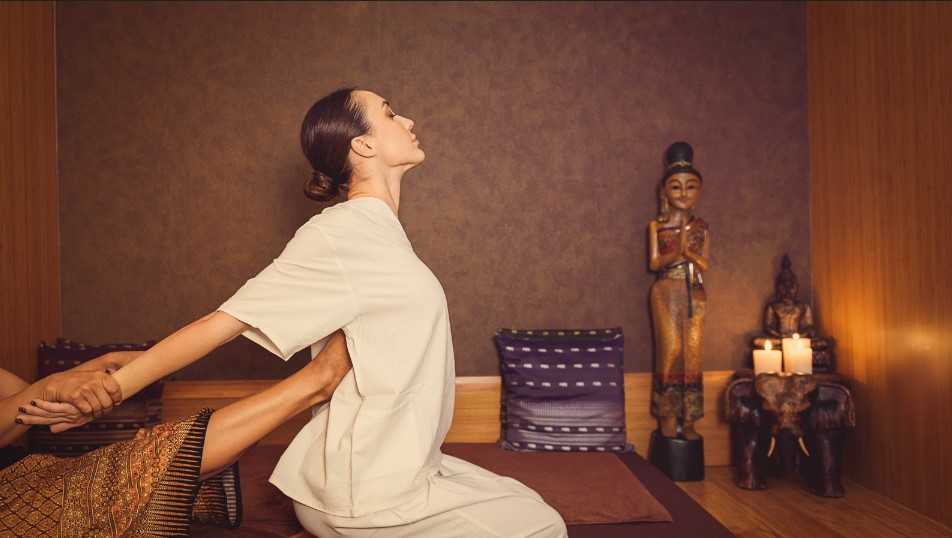
Massage therapy is one of the most effective methods for achieving deep relaxation and rejuvenation. Through skilled touch, massage helps release muscle tension, improve circulation, and stimulate the body’s natural healing responses.
Different massage techniques target different needs. Gentle relaxation massages calm the nervous system and promote stress relief, while deeper techniques focus on relieving chronic muscle tension. Massage also encourages the release of endorphins, the body’s natural “feel-good” hormones, which help improve mood and reduce discomfort.
Regular massage sessions can significantly enhance both physical comfort and mental well-being, making them a valuable part of a self-care routine.
Holistic Approaches to Rejuvenation
True rejuvenation is most effective when it addresses the body, mind, and lifestyle together. Holistic approaches focus on creating balance rather than treating symptoms alone.
Practices such as mindful breathing, meditation, and gentle stretching help calm the mind and improve flexibility. Aromatherapy, using natural scents like lavender or eucalyptus, can further enhance relaxation by stimulating the senses. Warm baths, adequate hydration, and nourishing meals also play an important role in restoring energy levels.
By combining multiple holistic practices, individuals can experience deeper and longer-lasting rejuvenation.
Creating a Relaxing Environment
The environment around you greatly influences your ability to relax. A cluttered, noisy, or brightly lit space can increase stress, while a calm and organized environment encourages relaxation.
Soft lighting, soothing music, and comfortable seating can transform any space into a peaceful retreat. Natural elements such as plants, warm colors, and gentle fragrances also contribute to a sense of tranquility. Creating a dedicated relaxation space at home can make it easier to unwind after a long day and maintain a consistent relaxation routine.
Building a Consistent Self-Care Routine
Deep relaxation and rejuvenation work best when practiced regularly rather than occasionally. Building a consistent self-care routine does not require drastic changes or large amounts of time. Even small, daily habits can have a powerful impact.
Setting aside time for mindful breathing, gentle movement, or quiet reflection can help reset your mind and body. Scheduling regular relaxation practices ensures that self-care becomes a priority rather than an afterthought. Over time, these habits lead to improved energy, better sleep, and a stronger sense of overall well-being.
Long-Term Impact of Regular Relaxation
When deep relaxation becomes part of a lifestyle, its benefits extend far beyond temporary stress relief. Long-term practice helps improve posture, reduce chronic pain, and support emotional stability. It also strengthens the body’s ability to cope with stress, making daily challenges feel more manageable.
People who prioritize relaxation often notice improved relationships, increased productivity, and a greater sense of life satisfaction. By taking time to restore balance, they create a healthier foundation for both personal and professional success.
Conclusion
Deep relaxation and rejuvenation are essential elements of a healthy and balanced life. In a world that constantly demands attention and energy, taking time to slow down is not a sign of weakness—it is a powerful act of self-care. By understanding the importance of relaxation, embracing holistic practices, and building consistent routines, anyone can experience greater vitality, mental clarity, and inner peace.
The journey to deep relaxation is personal and ongoing, but its rewards are profound. When you prioritize restoration and well-being, you empower yourself to live a more energized, focused, and fulfilling life.