The VFX and animation industry has become one of the fastest-growing creative sectors in the digital era. From blockbuster movies and web series to advertisements, video games, and virtual reality experiences, visual effects and animation play a vital role in storytelling and audience engagement. Enrolling in a VFX and Animation course is an excellent step for individuals who aspire to build a creative and technically skilled career in media and entertainment.
What Is VFX and Animation?
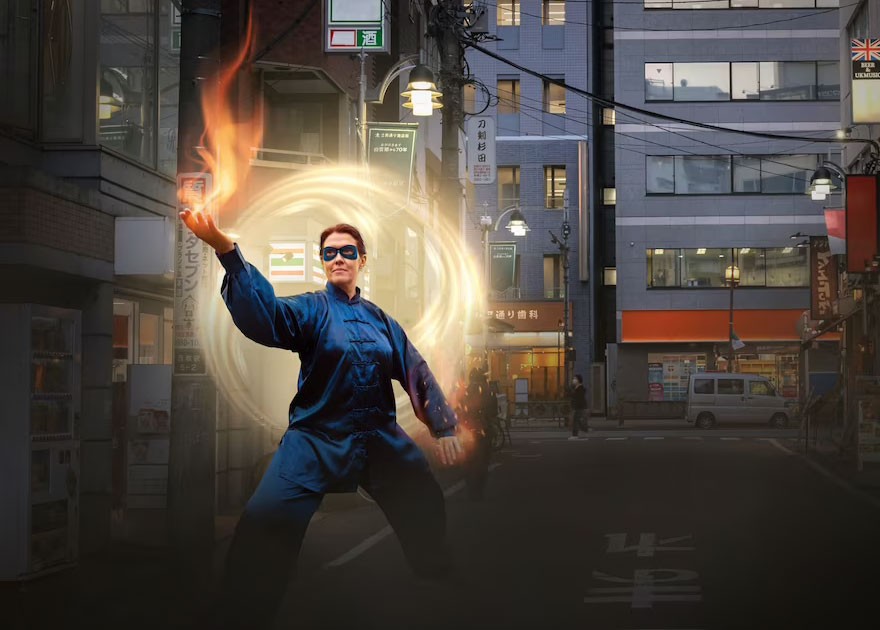
Visual Effects (VFX) refers to the process of creating or manipulating imagery that cannot be captured during live-action filming. It includes techniques like compositing, green screen effects, CGI integration, matte painting, and simulations. Animation, on the other hand, involves bringing characters, objects, or scenes to life through movement. This can be done in 2D, 3D, motion graphics, or stop-motion formats.
Together, VFX and animation combine creativity, technology, and storytelling, making them highly valuable skills in today’s digital landscape.

Why Choose a VFX and Animation Course?
A professional VFX and animation course provides structured learning, hands-on practice, and industry-relevant skills. With digital content consumption increasing across platforms such as OTT, gaming, advertising, and social media, skilled professionals are in high demand.
This course helps learners:
-
Understand industry-standard software and tools
-
Develop creative visualization and technical expertise
-
Build a strong professional portfolio

-
Gain exposure to real-world production workflows
Key Modules Covered in a VFX and Animation Course
A comprehensive VFX and animation course is designed to cover both artistic and technical aspects. Common modules include:
Fundamentals of Animation
This module focuses on animation principles such as timing, spacing, squash and stretch, anticipation, and character movement. It builds a strong foundation for both 2D and 3D animation.
2D and 3D Animation
Students learn to create animations using industry tools for character animation, environment design, and scene development. This includes modeling, texturing, lighting, and rendering.
Visual Effects Techniques
This section covers compositing, chroma keying, rotoscoping, motion tracking, and digital effects. Learners understand how VFX is integrated seamlessly into live-action footage.
Motion Graphics
Motion graphics play a crucial role in advertising and digital marketing. This module teaches typography animation, logo animation, explainer videos, and broadcast graphics.
Post-Production and Editing
Post-production training includes video editing, color correction, sound integration, and final output optimization for various platforms.
Career Opportunities After Completing the Course
A VFX and animation course opens doors to a wide range of career paths across multiple industries. Graduates can work in films, television, advertising agencies, gaming studios, animation studios, and digital media companies.
Popular job roles include:
-
VFX Artist
-
3D Animator
-
Motion Graphics Designer
-
Compositor
-
Video Editor
-
Game Artist
-
Multimedia Designer
Freelancing and remote opportunities are also widely available, allowing professionals to work with global clients.
Skills Required to Succeed in VFX and Animation
While technical skills are important, creativity and passion are equally essential. Successful professionals in this field typically possess:
-
Strong visual imagination
-
Attention to detail
-
Problem-solving abilities
-
Patience and consistency
-
Willingness to learn new tools and techniques
A good VFX and animation course helps nurture these skills through practical projects and guided mentorship.
Who Can Enroll in a VFX and Animation Course?
This course is suitable for:
-
Students interested in creative careers
-
Graduates looking for specialized skills
-
Working professionals aiming to switch careers
-
Freelancers wanting to upgrade their expertise
No prior experience is required for beginner-level courses, making it accessible to anyone passionate about visual storytelling.
Future Scope of VFX and Animation Industry
The future of the VFX and animation industry looks extremely promising. With the rise of OTT platforms, gaming, augmented reality, virtual reality, and metaverse experiences, the demand for skilled artists continues to grow. Technological advancements ensure that professionals with updated skills will always find opportunities in this evolving industry.
Conclusion
A VFX and animation course is an ideal choice for individuals who want to combine creativity with technology. It equips learners with industry-relevant skills, practical experience, and career-ready knowledge. With dedication, continuous learning, and creative exploration, this course can lead to a rewarding and future-proof career in the digital entertainment world.