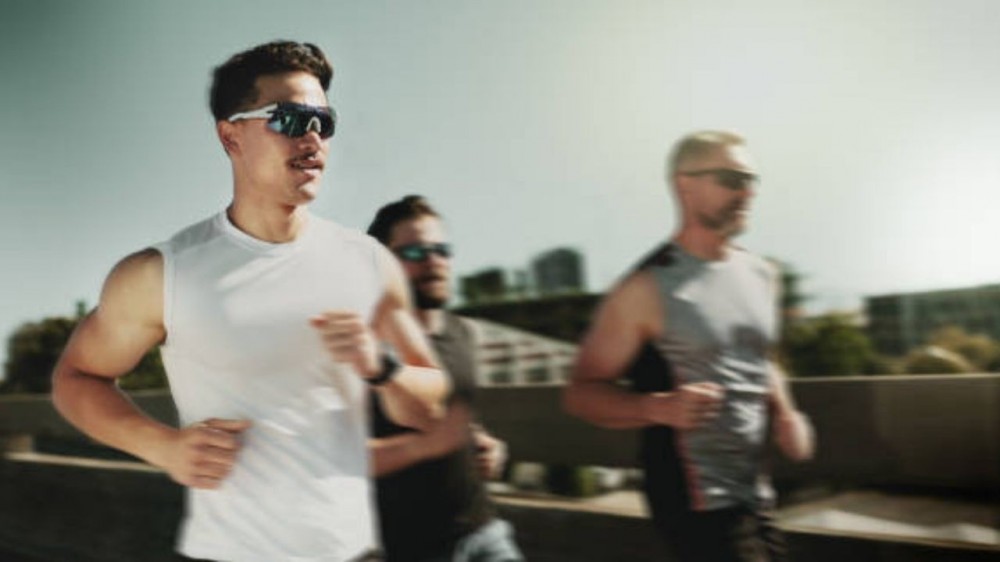
Running is one of the simplest and most accessible forms of exercise, but that doesn’t mean it’s effortless. Weather, terrain, light conditions, and fatigue all influence performance and comfort. While runners often focus on shoes, clothing, and training plans, eyewear is a piece of gear that’s frequently overlooked—despite its direct impact on visibility and focus.
Purpose-built running eyewear is designed to support the way runners move, breathe, and adapt to changing environments. Choosing the right pair can make runs feel smoother, safer, and more enjoyable, especially over long distances.
The Visual Demands of Running
Unlike many other activities, running exposes your eyes to constant motion and environmental shifts. Light changes as you move between shade and sun, wind dries out your eyes, and glare from pavement or water can become distracting.

Common visual challenges runners face include:
- Harsh sunlight during early morning or midday runs
- Glare from roads, sidewalks, and open trails
- Wind irritation at higher speeds
- Eye fatigue on longer efforts
- Distractions caused by slipping or bouncing eyewear
When your vision is compromised, even slightly, it can affect posture, pace, and mental focus. Over time, these small distractions add up.
Why Regular Sunglasses Often Fall Short
Many runners start with everyday sunglasses, assuming they’re “good enough.” While casual sunglasses may work for short walks or errands, they’re rarely designed for repetitive impact and sustained movement.
Typical issues with non-running sunglasses include:
- Frames that slide down with sweat
- Poor ventilation leading to fogging
- Excess weight that causes pressure points
- Limited stability during faster paces
Running eyewear is engineered to solve these problems by accounting for motion, moisture, and comfort over extended periods.

Key Features That Make Running Eyewear Different
Performance-focused running eyewear isn’t about flashy design—it’s about thoughtful engineering. Several features distinguish true running eyewear from general-purpose options.
Lightweight Construction
Every extra gram matters when you’re logging miles. Lightweight frames reduce pressure on the nose and ears, helping eyewear feel almost unnoticeable during a run.
Secure, Bounce-Free Fit
Running involves repeated impact. Well-designed eyewear stays in place without constant adjustment, even during sprints, hills, or uneven terrain.
Breathability and Ventilation
Fogged lenses can ruin a run. Proper airflow helps maintain clear vision as body temperature rises, especially in humid or cool conditions.
Visual Clarity and Comfort
Clear, distortion-free lenses help runners stay aware of their surroundings—crucial for navigating traffic, trails, and crowded paths.
How the Right Eyewear Supports Better Runs
While eyewear won’t replace training or recovery, it can meaningfully improve the running experience. Small comfort gains often translate into better consistency and focus.
Benefits runners often notice include:
- Less squinting and eye strain
- Improved focus during longer runs
- Fewer distractions from slipping frames
- More confidence in bright or variable light
These advantages are particularly valuable for runners training regularly or preparing for events where comfort and efficiency matter.
Running Environments Demand Versatility
Not all runs look the same. Road runners, trail runners, and treadmill runners each face different visual conditions. Quality running eyewear is versatile enough to handle a range of environments without becoming a hassle.
Road and Urban Running
City running often involves reflective surfaces, traffic, and changing light conditions. Stable eyewear helps runners stay alert and visually comfortable.
Trail and Outdoor Routes
Trails introduce shade, branches, dust, and uneven terrain. Clear vision and secure fit are essential when foot placement matters.
Long-Distance Training
On longer runs, even minor discomfort becomes noticeable. Eyewear that fits well from mile one to mile ten supports mental focus and endurance.
Choosing Running Eyewear That Fits Your Routine
Rather than chasing trends, runners benefit most from choosing eyewear that fits their habits and goals. Asking a few simple questions can guide better decisions:
- Do you run mostly in bright sun, mixed light, or overcast conditions?
- Are your runs short and fast or long and steady?
- Do you prefer minimal gear that “disappears” while running?
- Are comfort and stability more important than style alone?
When eyewear aligns with your running routine, it becomes something you rely on rather than adjust or remove mid-run.
For runners interested in gear designed specifically for movement, stability, and clarity, exploring Performance running eyewear by Detour can offer helpful insight into what purpose-built options look like when form and function are balanced.
Why Eyewear Is a Long-Term Investment for Runners
Running is about consistency. Gear that supports comfort and focus helps runners show up more often and enjoy the process. Investing in quality eyewear can reduce frustration, improve visual comfort, and enhance the overall experience—especially for those who run multiple times per week.
Instead of replacing cheap sunglasses that slide, fog, or break, many runners find more value in eyewear built for durability and performance. Over time, that reliability pays off in smoother, more enjoyable miles.
Conclusion: See Your Runs More Clearly
Running eyewear may not be the first thing that comes to mind when optimizing performance, but its impact is immediate once you experience the difference. Clear vision, stable fit, and lightweight comfort all contribute to better focus and fewer distractions.
By choosing eyewear designed with runners in mind, you support not just your eyes, but your overall running experience. Whether you’re training for a race or running for stress relief, the right eyewear helps you stay present, comfortable, and confident—mile after mile.