

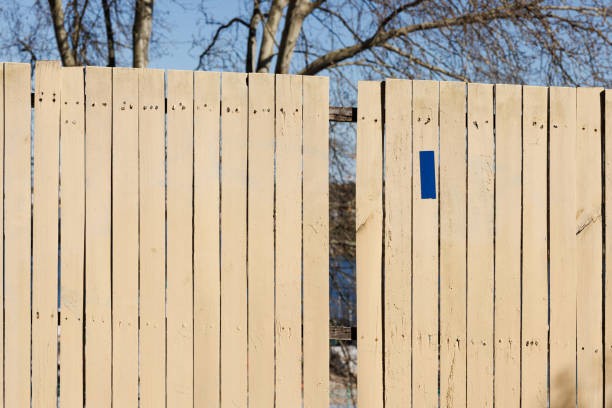
Fences are often seen as simple boundary markers or decorative elements, yet they play a vital role in property safety, privacy, and aesthetic appeal. Many homeowners don’t realize that fences are subject to gradual deterioration, stress from weather, pests, and soil movement, which can lead to significant damage if ignored. Subtle warning signs often go unnoticed until repair costs become urgent or safety is compromised. Understanding these hidden problems and performing regular inspections can prevent expensive repairs and maintain a fence’s functional and visual integrity.
Identifying Structural Weakness Early
A fence’s structural integrity depends on solid posts, properly installed panels, and secure fasteners. Leaning posts are one of the most common indicators of weakening, yet many homeowners dismiss slight tilting as cosmetic. Even minor shifts in alignment can indicate soil erosion, loose anchors, or decaying posts. Cracks, splits, or warping in wooden panels, often attributed to normal wear, may signal moisture damage or insect activity. Early detection of these issues allows timely repair or reinforcement, preventing more extensive damage that can compromise both safety and appearance.
Hidden Damage in Fencing Materials
Different fence materials exhibit deterioration in different ways, some of which are not immediately visible. Wooden fences may suffer from internal rot, mold, or termite damage that is not apparent from the surface. Metal fences can corrode from the inside out, weakening structural points and joints before rust becomes noticeable. Vinyl fences, while resistant to many forms of decay, can crack or become brittle in extreme temperatures or under repeated stress. Regular close inspection, including checking for soft spots, unusual sounds when tapped, or small gaps forming in joints, is crucial to catching these hidden problems early.

Hardware and Fastener Issues
Even fences with intact panels and posts can fail if the fasteners are compromised. Nails, screws, brackets, and hinges are critical to holding the structure together. Over time, rust, loosening, or breakage can destabilize panels and gates. Homeowners often overlook hinges and gate latches, which can sag or stick due to stress or weather exposure. A sagging gate is a warning sign that may indicate underlying damage in posts or hardware, requiring immediate attention to prevent panel detachment or collapse.
Gaps, Warping, and Soil Movement
Small gaps between fence panels may appear gradually due to soil movement, temperature changes, or natural settling. While they may seem minor, gaps compromise security and privacy and allow wind and moisture to exert additional stress on the structure. Warping of wooden panels, which can occur with repeated wet-dry cycles or sun exposure, also stresses the posts and fasteners. Clay-heavy or shifting soils, common in many regions, can exacerbate post instability. Monitoring these signs ensures that proactive adjustments or reinforcements are made before the fence begins to fail visibly.
Environmental and Weather Impacts
Fences are continuously exposed to environmental stressors. Sun, rain, snow, ice, and strong winds all contribute to gradual wear. UV rays cause fading, cracking, and brittleness in wood and vinyl, while repeated cycles of wetting and drying can accelerate rot or rust. High winds can loosen posts, bend panels, and stress fasteners, particularly if the fence has existing weaknesses. Homeowners in storm-prone areas need to inspect fences after severe weather events to detect subtle damage that may compromise safety.
Pest Infestations and Wildlife Damage
Termites, carpenter ants, and other wood-boring insects can silently damage wooden fences, weakening posts and panels over time. Pets and wildlife can also contribute to deterioration by digging under or scratching at fences. Birds nesting in gaps can trap moisture, accelerating decay. Such problems often remain hidden until a panel or post collapses, emphasizing the importance of preventive inspections and timely pest control measures.
Signs Only Experts May Detect
Some fence issues are so subtle that only a professional can reliably identify them. Internal rot in wood, hidden corrosion in metal, or unstable post footings may not be apparent to the casual observer. Professional evaluation ensures that these underlying weaknesses are addressed before they escalate into costly repairs or safety hazards. Utilizing trusted services such as www.philmarfence.com can provide guidance on both inspection and repair, guaranteeing long-term durability and structural integrity.

Consequences of Ignoring Minor Problems
Ignoring early warning signs of fence damage can lead to a cascade of problems. Panels can collapse unexpectedly, posing risks to children, pets, and neighbors. Security is compromised if gaps or weak points allow easy entry or exit. Weather and pests can exacerbate unnoticed damage, turning small repairs into full replacements. The aesthetic value of the property also suffers, diminishing curb appeal and potentially affecting property value. Regular inspection and preventive maintenance are far more cost-effective than emergency repairs after a structural failure.
Preventive Measures and Maintenance
Preventive maintenance includes regular inspection of posts, panels, and fasteners, along with timely cleaning and weatherproofing. Wooden fences benefit from sealants or stains, while metal fences require rust protection. Gates should be checked for sagging, aligned properly, and lubricated to function smoothly. Ensuring proper drainage around fence posts prevents rot and soil erosion, while trimming vegetation reduces moisture retention and pest activity. Following a seasonal checklist for fence maintenance keeps the structure safe, secure, and visually appealing.
Reinforcement and Repair Techniques
When problems are detected, reinforcement may be necessary to prolong the fence’s life. Adding bracing to leaning posts, replacing damaged panels, tightening or replacing fasteners, and stabilizing post footings are common solutions. For metal fences, applying anti-corrosion coatings and replacing worn components ensures long-term durability. Consulting professionals for major repairs or installation adjustments guarantees that the fence can withstand environmental stressors and continue performing its function effectively.
Long-Term Safety Considerations
Maintaining a safe and secure fence goes beyond aesthetics. A well-maintained fence protects children, pets, and property from accidents, intrusions, and exposure to environmental hazards. By addressing hidden damage early, homeowners ensure the fence continues to provide privacy, security, and a barrier against wind, debris, or wildlife. Coupled with regular inspections, emergency preparedness, and seasonal reinforcement, a fence can remain a reliable, durable feature for years.
Conclusion
Fences are more than decorative boundaries; they are critical for safety, privacy, and property security. Hidden problems such as leaning posts, warped panels, loose fasteners, pest damage, and environmental stress often go unnoticed until major damage occurs. Early detection through careful inspection, routine maintenance, and professional guidance helps prevent costly repairs and ensures long-term durability. By understanding the warning signs and addressing them promptly, homeowners can maintain a safe, secure, and visually appealing fence that protects their family, pets, and property effectively for years to come.





