

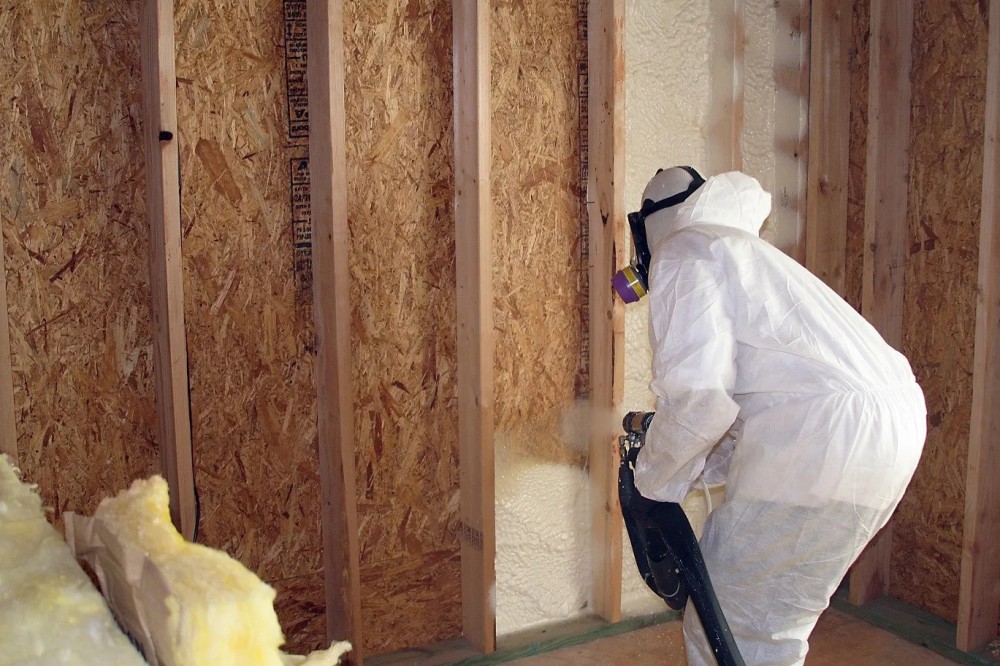
Spray foam insulation does not work the same way in every room. Each space in a home has different air leaks, moisture risks, and temperature swings, and spray foam responds to those conditions differently.
Quick answers that matter most
- Spray foam improves comfort by sealing air leaks unique to each room
- Energy savings vary by location, with attics and walls seeing the biggest gains
- Moisture control benefits depend on room use and ventilation
Why Spray Foam Performs Differently Room by Room
Every home has pressure differences, humidity changes, and heat flow paths. Spray foam adapts to these conditions, which is why results vary by space.

According to guidance from the U.S. Department of Energy, insulation performance depends heavily on where heat loss and air leakage occur, not just the material used.
Living Rooms And Common Areas
Living rooms are usually large and open. They often connect to exterior walls, windows, and doors.
How Spray Foam Helps Here
- Seals gaps around framing and wall cavities
- Reduces drafts from exterior walls
- Maintains even temperatures across open spaces
Spray foam limits uncontrolled airflow, which helps keep conditioned air inside. Data from the ENERGY STAR program shows that air sealing combined with insulation can reduce heating and cooling losses by up to 20%.
Bedrooms And Comfort Zones
Bedrooms demand stable temperatures and quiet conditions.

Room-Specific Benefits
- Limits heat transfer through shared walls
- Reduces outside noise infiltration
- Improves overnight comfort consistency
Because bedrooms are used for long periods, small temperature swings feel bigger. Spray foam’s air-sealing ability helps maintain steady indoor conditions.
Kitchens And Bathrooms: Moisture Control Matters
These rooms create moisture from cooking, showers, and appliances.
Why Spray Foam Works Differently
- Acts as an air barrier to slow moisture movement
- Helps prevent condensation inside walls
- Supports healthier indoor air when paired with proper ventilation
Building science research from Building Science Corporation explains that controlling air movement is critical for managing moisture, especially in high-humidity spaces.
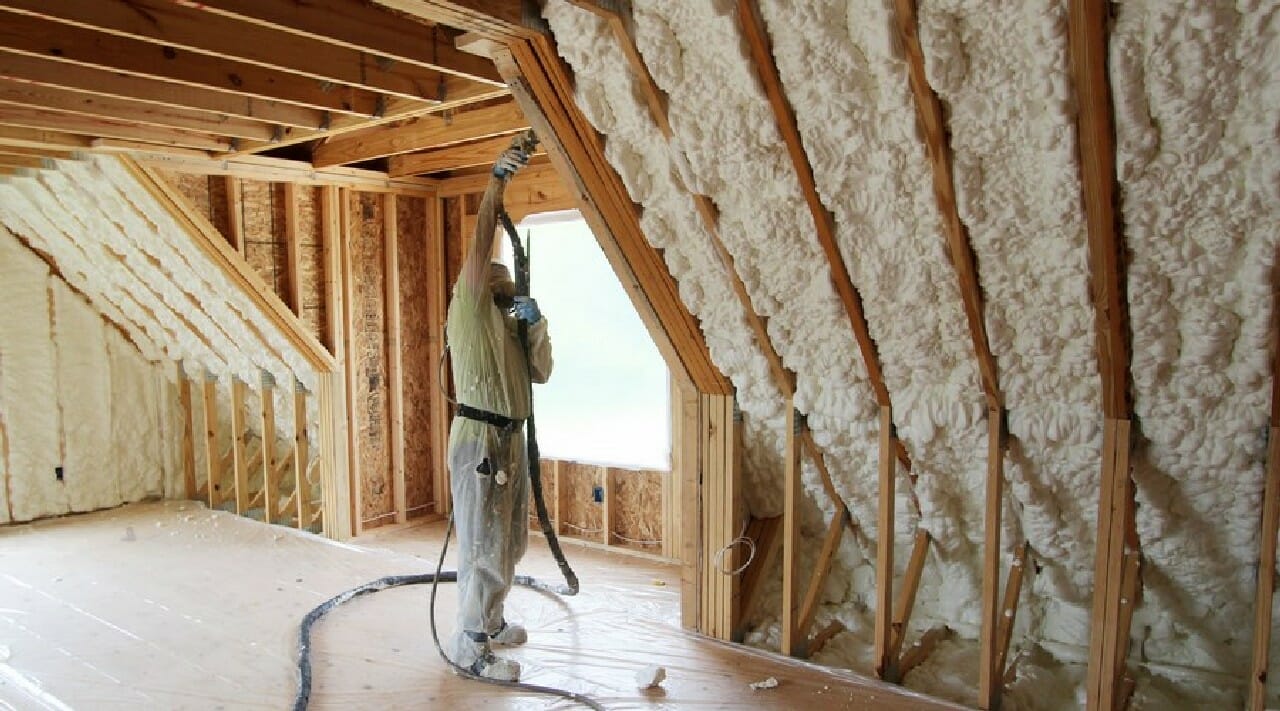
Attics: The Highest Impact Area
Attics are usually the biggest source of energy loss.

Spray Foam Advantages In Attics
- Creates an airtight thermal envelope
- Reduces heat gain in summer and heat loss in winter
- Helps HVAC systems work less
Performance Comparison Table
|
Insulation Area |
Energy Loss Risk |
Spray Foam Impact |
|---|---|---|
|
Attic |
Very High |
Maximum benefit |
|
Exterior Walls |
High |
Strong benefit |
|
Interior Walls |
Medium |
Comfort focused |
|
Basements |
High |
Moisture control |
Attic insulation often delivers the fastest return because it addresses the largest heat transfer surface.
Basements And Crawl Spaces
Below-grade spaces behave differently from upper floors.
Key Benefits
- Blocks cold air infiltration
- Limits ground moisture intrusion
- Improves floor comfort above
Spray foam is often used along rim joists and foundation walls where air leakage is common.
Cost And Practical Considerations By Room
Not every room needs the same approach.
Planning Tips
- Start with attics and exterior walls for energy savings
- Focus on moisture-prone rooms for durability
- Match foam type to room function and code requirements
Professional installers evaluate airflow, humidity, and structure before recommending coverage areas.
Professional Insight: Why Whole-Home Planning Matters
Experience-Based Optimization
Spray foam works best when installed as part of a system, not room by room without a plan.
Real-World Results
Homes that address major leakage points first often see:
- Lower monthly energy bills
- Fewer hot and cold spots
- Longer HVAC lifespan
Conclusion: One Material, Many Outcomes
Spray foam insulation adapts to each room's needs. Attics gain energy efficiency, bathrooms gain moisture control, and bedrooms gain comfort. The key is understanding how each space behaves.
If you want room-specific insulation guidance, contact All in Overhall at info@allinoverhall.com or call (561) 406-3835 for a professional evaluation.
Frequently Asked Questions
Does spray foam work better in some rooms than others?
Yes. Attics, exterior walls, and basements typically see the biggest performance gains.
Is spray foam safe for bedrooms?
When installed correctly and allowed to cure, it is safe and improves indoor comfort.
Will spray foam reduce humidity in bathrooms?
It helps control moisture movement, but should be paired with proper ventilation.
Can I insulate just one room?
You can, but whole-home planning delivers better results.
How long does spray foam insulation last?
It can last the life of the building when installed properly.
Does spray foam help with noise?
Yes. Its density reduces sound transmission through walls.
Author: Richard Hall founded ALL IN OVERHALL, Your Local Spray Foam Insulation Company in Jupiter, FL, on January 3, 2022, to offer honest and reliable insulation services across South Florida. He focuses on clear communication and careful workmanship to improve comfort and reduce energy costs.
Reviewer: Lucas Mitchell has 6 years of experience in spray foam insulation. He reviewed this article and helped refine the ideas to strengthen the brand’s reach and homeowner trust.





