

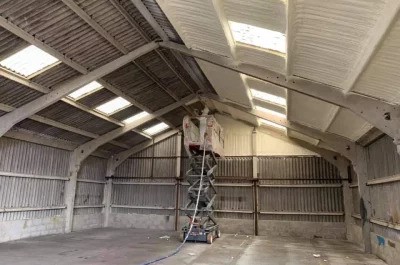
Commercial spray foam insulation is failing when it begins to shrink, pull away from the building structure, or emit persistent chemical odors. These issues typically manifest through rising monthly utility costs, uneven indoor temperatures, and visible gaps between the foam and the substrate it was intended to seal.
Building managers often notice that failing material loses its ability to block air movement, which places additional stress on heating and cooling systems. Professional installers state that identifying these signs early prevents long term structural damage caused by hidden moisture. This guide provides the necessary details to evaluate the current state of a commercial thermal barrier.
The expertise behind this information comes from years of observing how different environmental factors affect chemical bonds in large scale structures. Understanding these warning signs is essential for maintaining a healthy and energy efficient building environment. This knowledge ensures that property owners make informed decisions about maintenance and repairs.

Detectable Performance Shifts in Commercial Buildings
The first sign of failure often appears in the data rather than a physical change. When insulation no longer functions as a complete air seal, the building envelope becomes porous. This allows conditioned air to escape, forcing mechanical systems to work much harder to maintain a set temperature.
Energy Consumption Spikes
Monitoring utility bills is a practical way to track the health of an insulation system. A sudden increase in energy use often suggests that the thermal boundary has been compromised. The U.S. Department of Energy notes that proper air sealing and insulation can save a significant amount on heating and cooling costs.
If a building previously stayed cool during peak summer months but now struggles to maintain a comfortable climate, the foam may have developed cracks. These small openings allow heat to transfer into the building through convection. Facility managers should compare current energy usage with historical data to find these patterns.
Indoor Air Temperature Fluctuations
Drafts in specific areas of a warehouse or office often point to localized insulation failure. When the material separates from the wall or ceiling, it creates a "chimney effect" that pulls outside air through the building. This results in hot or cold spots that affect employee comfort and productivity.
Measuring the surface temperature of the walls with an infrared thermometer can reveal where the insulation is thinning. Significant temperature differences between two sections of the same wall indicate that the foam is no longer providing a consistent barrier. This inconsistency is a clear signal that the material needs professional attention.
Visual and Physical Signs of Insulation Failure
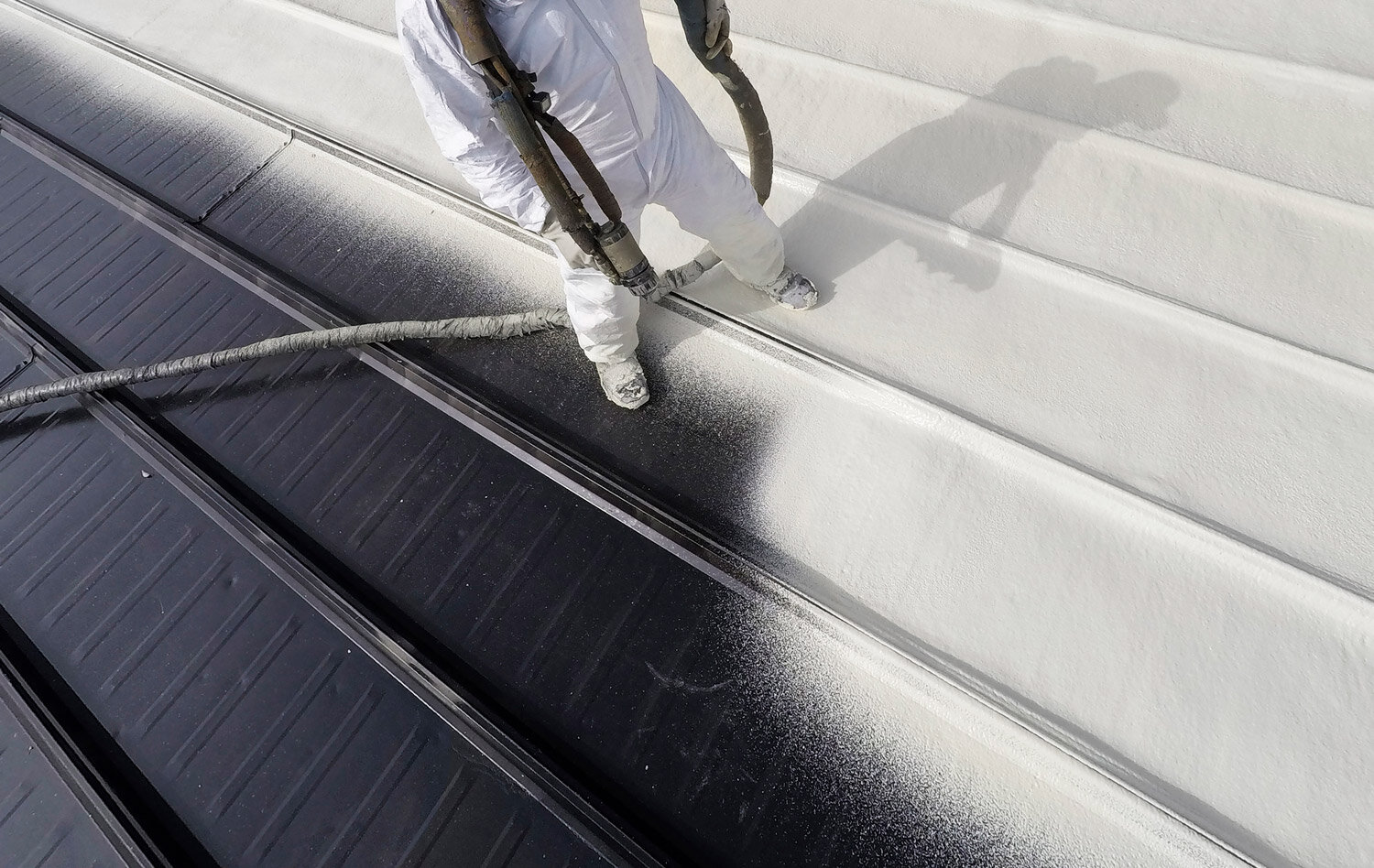
A physical inspection of the material often yields the most direct evidence of a problem. Healthy spray foam should feel firm to the touch and remain tightly bonded to the surface. Any change in the color, texture, or shape of the foam suggests that the chemical structure has broken down.
Delamination and Adhesion Issues
Delamination occurs when the foam pulls away from the wood, metal, or concrete surface it was applied to. This usually happens if the surface was wet or dirty during the initial installation process. Once the bond is broken, the foam can no longer prevent air or moisture from reaching the building structure.
Discoloration and Texture Changes
Insulation that appears dark brown, charred, or overly brittle has likely suffered from a poor chemical reaction. This often happens if the material was sprayed too thick in a single pass, causing it to overheat. Such foam lacks the structural integrity needed to survive the natural expansion and contraction of a building.
Brittle or Powdery Consistency
If the foam crumbles into a fine powder when touched, it is a sign of an off-ratio mix. This means the two main chemicals were not balanced correctly during the application. Such material provides very little thermal resistance and can even pose a risk to indoor air quality over time.
Bonus Tip
The "Press Test" is a quick way to check foam health. They should firmly press their thumb into the foam in several locations. If it feels soft or spongy, or if it cracks like an eggshell, the material is likely failing.
Environmental and Health Indicators
Failing insulation can impact the health of the building and its occupants. When the material is no longer airtight, it allows moisture to collect in places where it cannot easily evaporate. This creates a perfect environment for biological growth that can be difficult to remove once it starts.
Lingering Chemical Odors
Spray foam should only have a slight scent during the first twenty four hours after installation. If a chemical or "fishy" odor persists for weeks or months, the foam did not cure properly. The Environmental Protection Agency explains that indoor air quality is affected by the chemicals present in the building materials.
These smells are often strongest on hot days when the sun warms the exterior walls. This off-gassing indicates that the chemicals are still reactive and the foam is not stable. In many cases, uncured foam must be removed entirely to ensure the safety of the workspace.

Hidden Moisture and Mold Growth
In damp regions like the Pacific Northwest, failing insulation often leads to hidden condensation. If air can get behind the foam, water will collect against the cold building surface. This moisture can rot wooden studs or rust metal panels without being visible from the interior.
Property owners should look for water stains on the floor or a musty smell that persists despite regular cleaning. These are signs that the air barrier is no longer preventing vapor from moving through the walls. Fixing these leaks is necessary to prevent expensive structural repairs in the future.
Strategic Decision Factors for Replacement
Choosing how to fix failing insulation depends on the extent of the damage and the age of the building. Sometimes a small patch is enough, but widespread failure requires a total replacement. Building owners must weigh the cost of new installation against the ongoing loss of energy efficiency.
Factors to Evaluate Before Repair
Facility managers should consider the original installation records to see if a specific batch of foam was faulty. They also need to check if the building usage has changed, which might require a different type of insulation. Understanding the source of the failure prevents the same mistake from happening twice.
Evaluation of Material Health
|
Feature |
Healthy Spray Foam |
Failing Spray Foam |
|---|---|---|
|
Adhesion |
Tightly bonded to all surfaces |
Peeling, sagging, or falling off |
|
Texture |
Firm and slightly flexible |
Brittle, powdery, or very soft |
|
Surface Color |
Creamy white or light yellow |
Dark brown, orange, or charred |
|
Air Seal |
Stops all detectable air flow |
Allows drafts and temperature shifts |
|
Odor |
No smell after initial curing |
Strong chemical or fishy scent |
Questions People Ask About Commercial Insulation Failure
Can spray foam insulation be repaired without removing everything?
They can sometimes patch small areas if the failure is localized to a single spot. However, if the chemical mix was incorrect, the entire application will likely fail eventually. A professional inspection is needed to determine if the rest of the foam is stable.
How long should commercial spray foam last?
High quality spray foam is designed to last for the life of the building when installed correctly. It does not settle or sag like fiberglass batts. If it fails within the first few years, it is usually due to poor application or bad weather during the install.
Is a chemical smell always a sign of a bad installation?
A temporary smell is normal for about twenty four hours as the material cures. If the smell lasts longer, it suggests that the chemicals were not mixed at the right temperature or ratio. This is a sign that the foam did not reach its full performance potential.
Does failing insulation cause mold?
Yes, because failing foam allows warm air to hit cold surfaces, creating condensation. Since the foam often hides the wall surface, mold can grow for a long time before it is noticed. This can lead to serious air quality issues in office buildings.
Why is my spray foam pulling away from the metal studs?
This usually happens because the metal was too cold or had an oily residue when the foam was applied. The National Institute of Building Sciences highlights the importance of air barriers being continuous and well adhered. If the surface isn't prepped, the bond will eventually fail.
Maintaining Building Value Through Better Insulation
Regular inspections are the best way to ensure that a commercial building remains efficient and valuable. Catching insulation failure early allows for targeted repairs that save money on energy and labor. A healthy thermal barrier is the foundation of any high performance building.
They should monitor their utility data and perform physical walk-throughs twice a year. If any signs of sagging, cracking, or odors appear, it is time to consult an expert. Addressing these issues promptly protects the structural integrity of the property for decades.
Expert Solutions from Cascadia Spray Foam Insulation of Seattle
When a commercial building shows signs of insulation failure, professional help is necessary to find a permanent fix. Cascadia Spray Foam Insulation of Seattle offers detailed assessments to find the root cause of the problem. They focus on using high quality materials that provide a reliable air seal in the local climate.
Property owners can rely on their team to replace failing material with a durable solution that restores energy efficiency. To schedule an inspection or learn more about their services, they can be reached at (425) 386-3500. For specific questions regarding commercial projects, they are also available at info@cascadiasprayfoam.com.
Reviewer: Olivia Thompson has spent 10 years working in spray foam insulation, helping companies grow their visibility. She reviewed this article and provided valuable suggestions to better align the content with customers' needs and expectations, ensuring it resonates with the target audience.





