

Wall insulation matters more in 2026 because energy loss now drives cost, comfort, and moisture damage. Buildings face longer heat waves and wetter winters. Poor wall performance shows up fast in utility bills and repairs.
They need insulation that works in real conditions, not just on paper.
Quick answers that matter most

- Air leaks in walls cause more energy loss than low R-value alone
- Moisture control now decides whether insulation lasts or fails
- Long-life systems reduce future tear-outs and material waste
Why Wall Insulation Decisions Matter More Now
Wall insulation affects how a building handles heat, air, and moisture every day. In 2026, those forces are stronger and more costly.
Energy prices stay unstable. Weather swings hit harder. Walls sit between indoor comfort and outdoor stress year-round.
Research from the U.S. Department of Energy Building Envelope program shows that uncontrolled air movement through walls can cancel out insulation performance even when rated R-values look sufficient. That finding shifts focus from thickness to total wall control.
They are no longer paying just for insulation. They are paying for performance over time.
Cheap Material = High Energy Loss
Low-cost wall insulation often looks fine at install. Problems show up later.

Air slips through gaps around wiring, framing, and sheathing joints. Heat follows that air. Moisture comes with it.
Fiberglass batts slow heat flow but do not stop air movement. When air moves, insulation loses value. Moisture buildup then leads to mold risk and material breakdown.
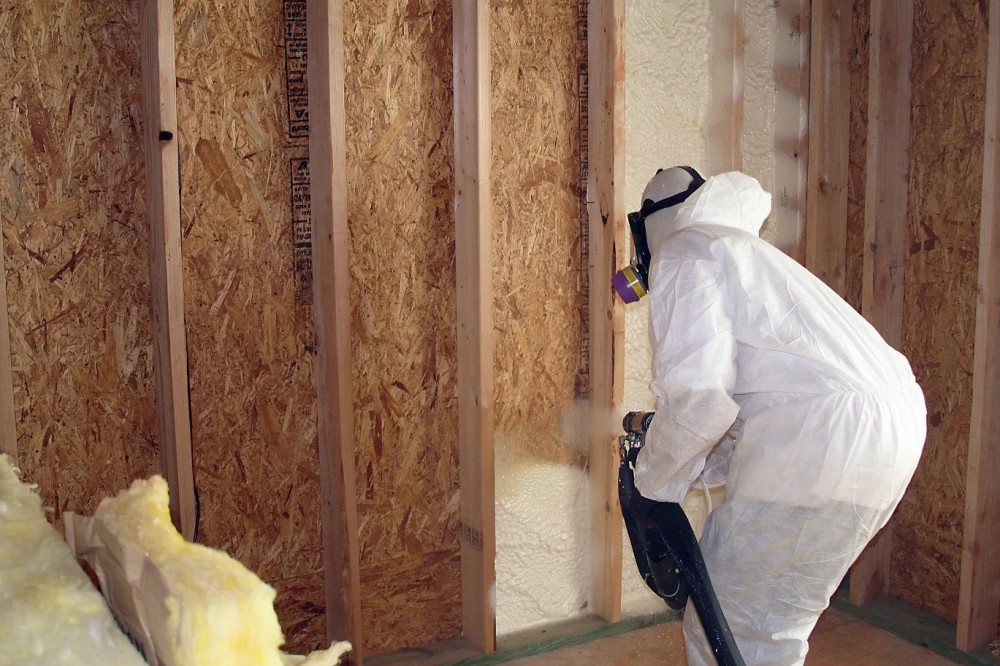
Spray foam changes that outcome by sealing the cavity while insulating it. One step controls heat, air, and moisture together. That cause-and-effect link explains why wall failures often trace back to air leakage rather than to material rating.

How Air Sealing Changes Wall Performance
Air sealing controls how walls actually behave, not how they test in a lab.
According to guidance from ENERGY STAR’s insulation and air sealing research, homes that combine insulation with proper air sealing reduce heating and cooling demand more consistently than insulation-only upgrades.
Sealed walls keep indoor temperatures steady. HVAC systems cycle less. Condensation risk drops inside wall cavities.
They see fewer drafts. They also see fewer moisture-driven repairs.
Is Wall Insulation Worth the Cost in 2026?
Yes, when performance lasts long enough to pay back the investment.
Upfront cost matters. Long-term loss matters more. Walls that leak air waste energy every hour. That waste adds up fast.
Short-Term Cost vs Long-Term Use
Cheap insulation lowers installation cost but raises operating cost. Energy loss repeats every season.
Durable insulation reduces energy demand year after year. That difference compounds.
Moisture Risk and Repair Cycles
Wet insulation loses shape and value. Dry insulation keeps working.
Spray foam limits moisture movement by stopping air paths. That control protects framing and finishes over time.
Wall Insulation Comparison in 2026
|
Factor |
Spray Foam Insulation |
Fiberglass Batts |
|---|---|---|
|
Air control |
Built-in air seal |
Requires added sealing |
|
Moisture resistance |
High |
Low to moderate |
|
Energy efficiency |
High per inch |
Moderate |
|
Service life |
Long-term |
Can sag or compress |
|
Environmental impact |
Lower waste over time |
Higher replacement risk |
This comparison shows why wall systems that seal and insulate together deliver better lifetime value.
Environmental Impact Beyond Materials
Sustainability now focuses on how long insulation performs.
Spray foam uses chemical components. That trade-off is real. The benefit comes from reduced energy use and fewer replacements.
Studies summarized by the National Renewable Energy Laboratory’s building energy research show that operational energy savings play a major role in lowering a building’s lifetime carbon footprint. Insulation that cuts demand every year carries more weight than short-lived materials.
They measure impact over decades, not installs.
Bonus Tips
- Seal wall air leaks before adding more thickness
- Match insulation to moisture exposure, not just climate zone
- Avoid mixing wall systems without a clear air barrier plan
- Inspect installs early before walls close up
These steps prevent hidden failures later.

Case Studies
Retrofit programs across the Pacific Northwest report consistent heating demand reductions after replacing batt-insulated walls with spray foam in exterior cavities. Projects also report fewer condensation issues during wet winters and steadier indoor temperatures during summer heat events.
Conclusion
Wall insulation is worth the investment in 2026 when it controls air, moisture, and heat together.
Spray foam delivers strong long-term performance by sealing wall cavities and reducing energy loss. Its environmental value depends on lifespan and energy savings, not just material makeup.
Informed insulation choices protect buildings, budgets, and comfort over time. Cascadia Spray Foam Insulation of Seattle supports performance-focused wall systems by applying insulation methods that match real building conditions.
Smarter Wall Insulation Starts with Experience
Spray foam wall insulation works best when installed with care and local knowledge. Cascadia Spray Foam Insulation of Seattle helps projects meet modern energy and durability goals without unnecessary complexity.
They focus on long-term performance, moisture control, and comfort.
Phone: (425) 386-3500 Email: info@cascadiasprayfoam.com
FAQs for Spray Foam Professionals
Is wall insulation still worth upgrading in newer homes?
Yes. Many newer homes still leak air through wall assemblies. Sealing those paths improves comfort and energy use.
Does spray foam replace the need for a vapor barrier?
In many cases, yes. Closed-cell foam limits air and moisture movement. Climate and code still matter.
How long does spray foam wall insulation last?
It can last the life of the structure when installed correctly and kept dry.
Is spray foam better than fiberglass for sound control?
Yes. Its density and air sealing reduce sound transfer more effectively.
Does wall insulation lower HVAC system size needs?
Often. Better wall performance reduces peak heating and cooling loads.
Reviewer: Olivia Thompson has spent 10 years working in spray foam insulation, helping companies grow their visibility. She reviewed this article and provided valuable suggestions on how to better align the content with the needs and expectations of customers, ensuring it resonates with the target audience.





