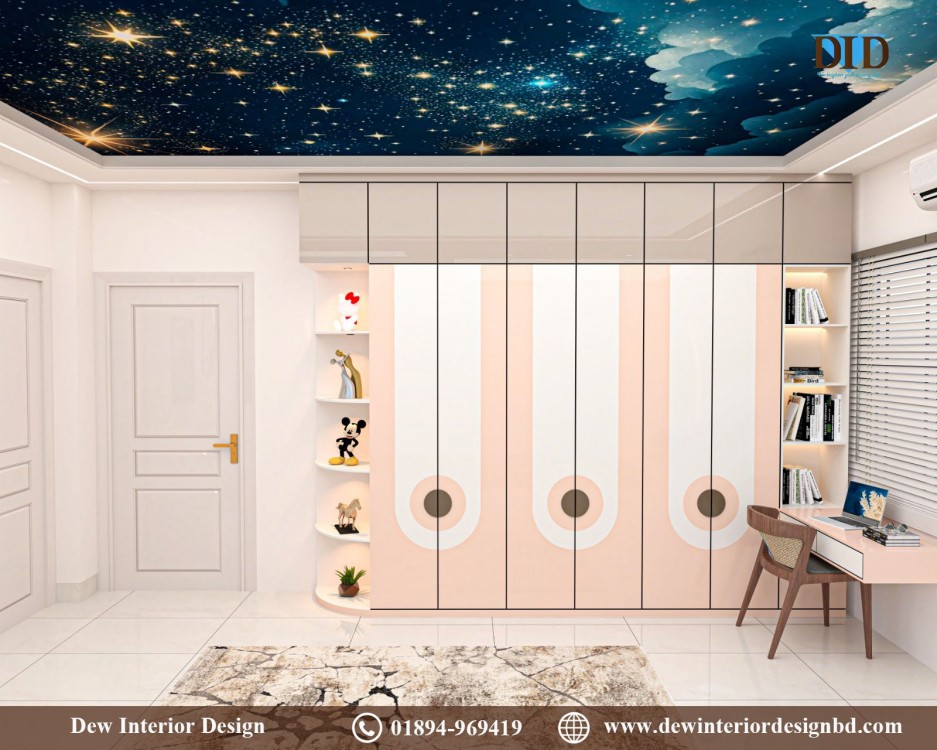
Interior design is a creative and practical profession that combines art, functionality, and problem-solving. If you enjoy designing spaces, working with colors, furniture, and layouts, becoming an interior designer can be a rewarding career. This guide explains the key steps to help you start and grow as an interior designer.
1. Understand What an Interior Designer Does
Before choosing this career, it’s important to understand the role of an interior designer. Interior designers plan and design interior spaces for homes, offices, hotels, and commercial buildings. Their work includes space planning, selecting materials, furniture, lighting, colors, and ensuring the design meets safety, comfort, and client needs.
2. Develop a Strong Interest in Design
A passion for design is the foundation of this career. Start by observing spaces around you, studying layouts, and noticing how colors and furniture affect mood and function. Follow interior design trends, read design blogs, watch tutorials, and explore design styles such as modern, traditional, minimalist, and industrial.

3. Get the Right Education
Formal education helps you learn design principles, materials, construction basics, and technical skills. You can study interior design through:
- Diploma or certificate courses
- Bachelor’s degree in Interior Design
- Online interior design programs
Learning software like AutoCAD, SketchUp, 3ds Max, and Photoshop is also very important in today’s industry.
4. Learn Design Fundamentals
Understanding the basics of design is essential. Focus on:
- Space planning and layout
- Color theory
- Lighting design
- Furniture design
- Materials and textures
- Ergonomics and functionality
Strong fundamentals help you create designs that are both beautiful and practical.
5. Build Practical Skills and Experience
Experience is as important as education. Work as an intern or assistant with an interior designer or design firm. Practice by redesigning your own space, helping friends, or working on small projects. Hands-on experience improves your confidence and problem-solving ability.

6. Create a Professional Portfolio
A portfolio is your most powerful tool as an interior designer. It should showcase your best work, including sketches, floor plans, 3D renders, mood boards, and completed projects. Even student or concept projects are valuable if presented well.
7. Learn Communication and Client Management
Interior designers work closely with clients, contractors, and suppliers. Strong communication skills help you understand client needs, present ideas clearly, and manage expectations. Learning basic project management and budgeting skills is also very helpful.
8. Stay Updated with Trends and Technology
Interior design trends and materials change regularly. Stay updated by attending workshops, exhibitions, and design events. Follow industry leaders and continuously improve your skills to remain competitive in the market.
9. Start Your Career or Freelance Practice
After gaining skills and experience, you can:
- Work with an interior design firm
- Join an architecture or construction company
- Start your own interior design studio
- Work as a freelance interior designer
Each path offers different opportunities and challenges.
10. Grow and Specialize
As you gain experience, you may choose to specialize in areas such as residential design, commercial interiors, hospitality design, or sustainable interiors. Specialization helps you stand out and grow professionally.
Conclusion
Becoming an interior designer requires creativity, dedication, learning, and practice. With the right education, hands-on experience, and passion for design, you can build a successful career creating spaces that are functional, beautiful, and meaningful.