

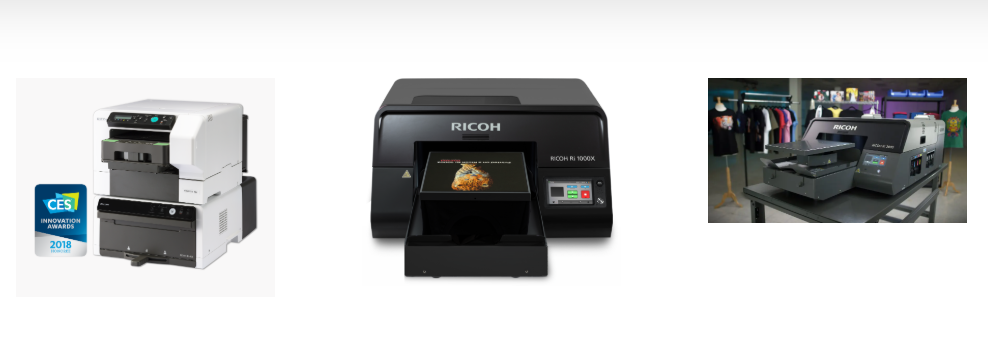
Entering the custom apparel market is exciting—but choosing the right shirt printing machine is one of the most critical decisions your business will make. The right equipment can boost quality, increase production efficiency, and improve profit margins. The wrong one can slow your workflow, inflate costs, and compromise product quality.
This guide walks you through everything you need to consider when selecting a shirt printing machine that fits your business goals, production volume, and budget.
1. Understand Your Business Needs
Before diving into machine specs and price tags, start by identifying your business requirements:

-
Production Volume
Are you printing small custom runs or large batches of shirts regularly?-
Low volumes → manual or small digital machines
-
High volumes → automatic, industrial-grade machines
-
-
Types of Designs
Do your customers want simple text, full-color graphics, or intricate artwork?
Some technologies (like DTG) are better for complex, multicolor prints. -
Target Market
Are you catering to individuals, brands, events, or corporate clients?
Different markets require different performance levels and quality standards.
2. Know the Main Types of Shirt Printing Machines
Different printing technologies serve different purposes. Understanding the pros and cons of each will help you choose wisely.
🔹 Screen Printing Machines
Best for large orders with simple designs and limited colors.
✔️ High durability
✔️ Low per-unit cost for bulk orders
❌ Not cost-effective for small batches or many colors
🔹 DTG (Direct-to-Garment) Printers
Ideal for full-color, complex designs on demand.
✔️ Photo-quality prints
✔️ Perfect for short runs
❌ Higher setup and ink costs; slower than screen printing
🔹 Heat Press Machines
Great for small businesses, startups, and custom orders.
✔️ Affordable
✔️ Works with transfers and vinyl
❌ Print quality and durability depend on material and transfer
🔹 DTF (Direct-to-Film) Printers
A newer technology that prints onto film and transfers to fabric.
✔️ Vibrant colors on many fabrics
✔️ Less pre-treatment than DTG
❌ Additional step (film transfer)
3. Match the Machine to Your Budget
Price is a significant factor—but cheap is not always better.
Entry-Level Machines ($300–$1,500):
-
Good for startups and beginners
-
Limited production capacity
-
May lack precision or speed
Mid-Range Machines ($1,500–$10,000):
-
Better print quality
-
More features, faster production
-
Ideal for growing businesses
Industrial Machines ($10,000+):
-
High speed and automation
-
Excellent accuracy and consistency
-
Best for large production volumes
💡 Tip: Consider the total cost of ownership, including inks, maintenance, and consumables—not just the purchase price.
4. Check Print Quality and Resolution
The quality of your prints directly affects customer satisfaction and brand reputation. When comparing machines:
-
Look for higher DPI (dots per inch) for sharper prints
-
Evaluate color accuracy (important for brand logos)
-
Check how the machine handles detail in fine lines
Ask suppliers for sample prints before purchasing.
5. Evaluate Ease of Use
Especially for small businesses or shops with limited technical staff, usability matters.
-
Is the interface intuitive?
-
Is training required?
-
Are software updates included?
-
Can you easily switch between shirt sizes and designs?
Machines with simple controls and helpful customer support will save you time and frustration.
6. Consider Speed and Production Capacity
If you’re fulfilling orders quickly (event shirts, corporate orders, e-commerce), look at:
-
Print speed (shirts/hour)
-
Setup time between jobs
-
Ability to handle continuous production
Automatic and high-speed machines are worth investing in if production demands are high.
7. Look at Fabric Compatibility
Different machines and inks work better on certain fabrics:
-
Cotton: Best for DTG and screen printing
-
Polyester: Works well with sublimation and certain DTF methods
-
Blends: Some technologies handle blends better than others
Make sure the machine supports the fabric types you plan to print on.
8. Think About After-Sales Support and Warranty
Reliable support can be a game changer:
-
Is technical support available locally?
-
Is there a warranty?
-
Are spare parts easy to source?
-
Are online tutorials and manuals provided?
Good after-sales service reduces downtime and keeps your business running smoothly.
9. Factor in Maintenance and Running Costs
Beyond the initial purchase, you’ll pay for:
-
Inks and consumables
-
Pre-treatment liquids
-
Replacement parts
-
Regular servicing
DTG printers, for example, require regular cleaning and maintenance to avoid clogged nozzles. Screen printing requires screens and emulsions. Always calculate these costs into your budget.
10. Test and Compare Before You Buy
Don’t make a decision based on specs alone. Visit local suppliers, try demo machines, and ask for sample prints. Testing helps you assess:
-
Print quality
-
Ease of use
-
Speed and workflow
-
Compatibility with your design style
Final Thoughts
Choosing the right shirt printing machine is an investment in the future of your business. The right choice depends on your:
✔ Production goals
✔ Budget
✔ Design complexity
✔ Target customers
By focusing on these factors and comparing available technologies, you’ll set your business up for success with equipment that’s reliable, cost-effective, and tailored to your needs.





