Most people experience acidity or stomach pain at some point, often after eating spicy food, skipping meals, or dealing with stress. In many cases, these symptoms are harmless and improve with simple lifestyle changes or medication. However, when acidity or stomach pain becomes persistent, it’s natural to wonder if something more serious could be going on.
Understanding Acidity and Stomach Pain
Acidity, also known as acid reflux or indigestion, occurs when stomach acid irritates the food pipe or stomach lining. Common causes include overeating, irregular meal timings, excessive caffeine, smoking or infections like H. pylori. Stomach pain can also result from gastritis or ulcers. These conditions are usually temporary and respond well to treatment.
When Symptoms Become Concerning
Stomach-related discomfort becomes a concern when it lasts for several weeks, keeps coming back or gradually worsens despite treatment. Persistent symptoms that do not improve with antacids or dietary changes should not be ignored. The key warning sign is change—in frequency, intensity, or pattern of pain.

Can Persistent Symptoms Be Linked to Cancer?
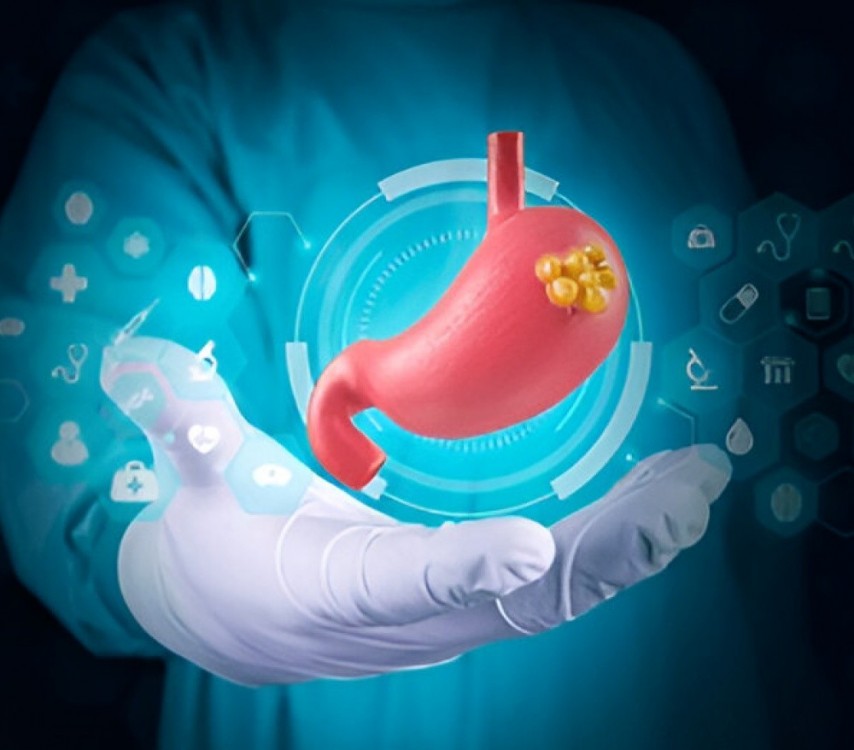
In some cases, ongoing stomach pain or acidity may be associated with gastric (stomach) cancer. Cancer-related pain often feels different from routine indigestion. It may be constant, dull, or accompanied by a feeling of fullness even after small meals. While these symptoms do not automatically mean cancer, they do require medical evaluation.
Red Flag Symptoms to Watch For
Certain symptoms raise concern when they appear along with persistent acidity or pain. These include unexplained weight loss, loss of appetite, fatigue, anemia, difficulty swallowing, black stools or vomiting blood. These signs suggest internal bleeding or poor nutrient absorption and should be checked promptly.
Who Is at Higher Risk?
People over the age of 50, smokers, heavy alcohol users and those with a family history of stomach cancer are at higher risk. Long-standing stomach conditions and poor dietary habits can also increase vulnerability.
When to See a Doctor
If stomach pain or acidity continues beyond two to three weeks or is associated with alarming symptoms, consult a doctor. Tests like endoscopy, scans and biopsies help identify the cause early. Early diagnosis significantly improves outcomes, especially for those seeking stomach cancer treatment in India.
Final Thoughts
Most cases of acidity and stomach pain are not cancer. However, your body often sends signals when something isn’t right. Paying attention to persistent symptoms and choosing evaluation at the best cancer hospital in India ensures timely care, accurate diagnosis, and peace of mind.