

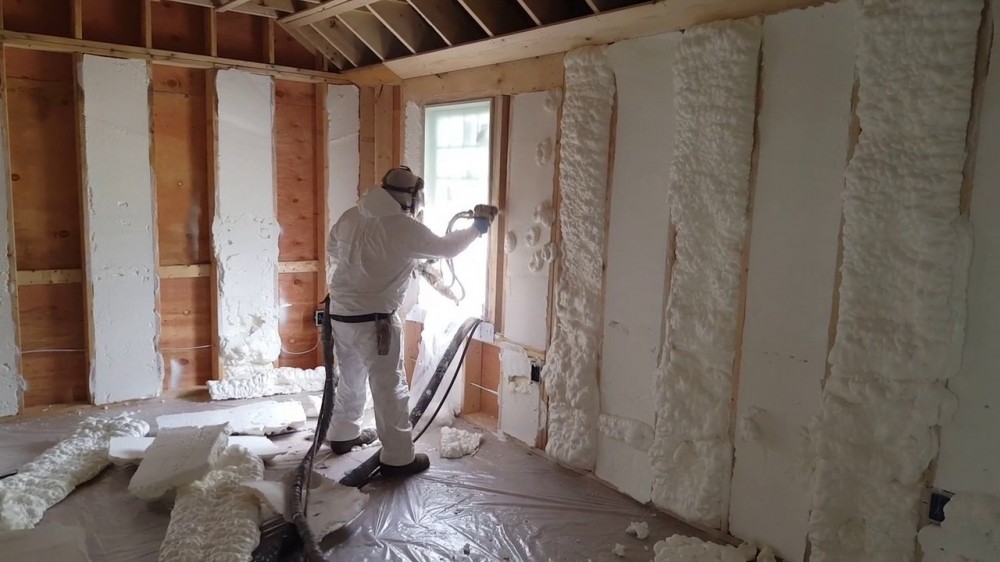
Open-cell spray foam insulation is safe for families with allergies and often makes indoor air much cleaner. It creates a solid seal that prevents outdoor triggers like pollen, dust, and mold spores from entering through the walls. By filling every small gap, it prevents the drafts that carry these irritants into the living space.

Most people find that their breathing improves after a professional team seals their home with this material. It is a stable product that stays in place for a long time without breaking down into dust. This article explains how this service helps create a healthier environment for everyone in the house. Industry experts with years of field experience suggest this as a top choice for indoor air health.
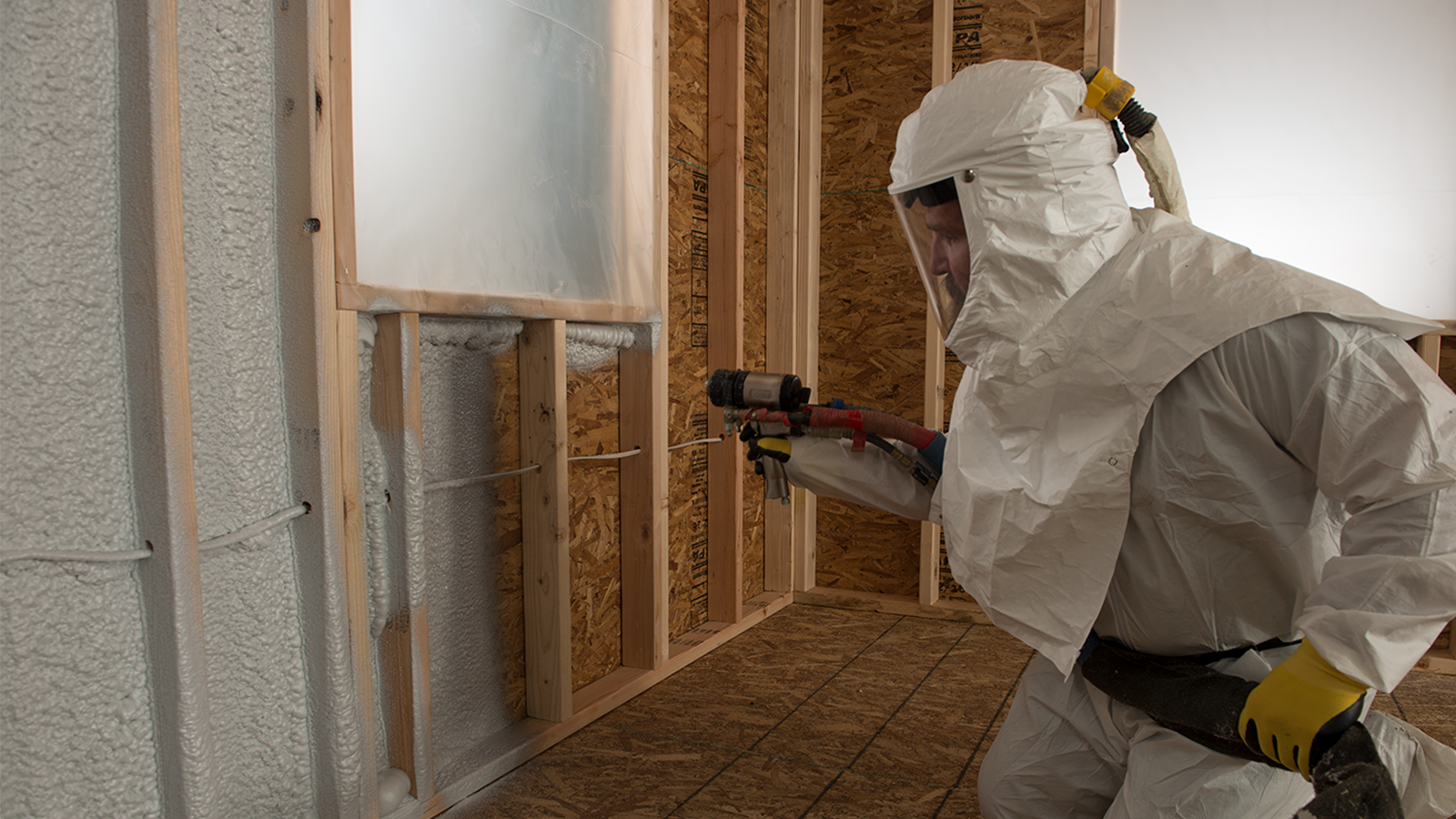
Improving Indoor Air Quality by Sealing Gaps
Indoor air is often more polluted than the air outside because homes can trap old dust and skin cells. However, the most common allergy triggers come from the outside world. When a building has leaks in the attic or walls, those outdoor particles are sucked into the rooms. Open-Cell Spray Foam Insulation is a popular choice for families because it blocks these entry points for good.

Sealing the building envelope means that the air you breathe is filtered by your cooling system instead of coming through dirty cracks. This is a practical way to keep a home feeling fresh and clean. Families often notice they have to dust their furniture less often after the work is finished.
Blocking Outdoor Triggers in Desert Climates
In dry desert areas like Southern Nevada, fine sand and dust are constant problems for people with sensitive lungs. The wind can push these small particles through even the tiniest holes around wires or pipes. A professional seal ensures these paths are sealed, keeping dust where it belongs: outside.
Dust and Sand Entry
Sand can get into the wall cavities and eventually blow through electrical outlets or baseboards. This happens because of changes in air pressure that act like a vacuum, drawing in outside air. A thick layer of light foam stops this movement and keeps the indoor air stable.
After the foam is applied, it needs a short time to harden and settle. It is best for families with high sensitivities to stay out of the house for at least twenty four hours. This ensures that the air is perfectly clear and fresh when they return.
Preventing Mold and Moisture Issues
Mold is a major trigger for people with allergies or asthma. It grows when warm, moist air meets a cold surface inside a wall or attic. Traditional materials can retain this moisture, creating a place for mold to hide and grow.
Light foam differs because it keeps the wall dry. It does not provide food for mold or mildew, so it keeps the home structure healthy. By stopping condensation, it removes the water that mold needs to start growing in the first place.
Sound Dampening and Family Comfort
Allergies can often cause poor sleep, and a noisy environment makes it even worse. Open-cell foam is excellent at absorbing sound from the street or from neighbors. This creates a quiet and peaceful home that helps the family rest better every night.
|
Barrier Feature |
Open-Cell Foam |
Traditional Batts |
|---|---|---|
|
Blocks Air Leaks |
Yes |
No |
|
Resists Mold |
High |
Low |
|
Traps Dust |
No |
Yes |
|
Lasts Long |
Yes |
No |
|
Reduces Noise |
High |
Low |
Things to Consider Before Making a Decision
Choosing the right material for a home involves looking at the specific needs of the family. If anyone in the house has severe reactions to dust, a total air seal is often the best path. It is helpful to talk to a local team that understands how homes behave in your specific weather conditions.
- Consider the home's age and whether any old materials need to be removed.
- Consider the areas where you feel the most drafts during the winter or summer.
- Ask about the type of material and if it is rated for indoor air safety.
- Evaluate the cost and look at the long term health and energy benefits.
- Check for any local programs that help with the cost of energy upgrades.

If a home is being upgraded, removing old fiberglass or cellulose is a smart move. These old materials often hold years of dust and pest droppings that can trigger allergies. Starting with a clean attic space makes the new seal much more effective.
Common Questions About Allergy Safety
Does the foam have a strong smell after it is dry?
Once fully cured, the material is inert and has no smell. Most modern products are designed to be very low-odor from the start. A professional team uses large fans to circulate air and keep the space fresh throughout the process.
Can pests still get through the seal?
The foam is not a food source for bugs or rodents. Because it seals up the holes they use to get inside, it actually keeps pests out of the house. This is a big help for people who are allergic to the debris left behind by insects.
Is it better than fiberglass for my lungs?
Fiberglass is made of tiny glass shards that can get into the air if the material is moved. Foam does not shed fibers and remains intact for the life of the building. This makes it a much cleaner choice for a family with respiratory issues.
How long does the seal last?
This material is designed to last as long as the house itself. It does not sag or settle like other products, so it keeps providing a clean air barrier for decades. Once it is in place, you do not have to worry about replacing it.
Will it make my house too tight?
A house needs to breathe, but it should do so through a proper vent system. A sealed home allows you to control where the fresh air comes from. This means you can use a filter to clean the air before it enters your bedrooms.
Summary of Health Benefits for Families
Choosing a high performance seal is a smart way to protect a family from common allergies. It prevents outdoor irritants from entering and mold growth inside the walls. While the initial cost is higher than some older methods, the long term health and comfort are worth the investment. Property owners should look at their specific situation and decide if a permanent air barrier is the right move for their home. Taking action to clean the indoor air leads to a much better daily experience for everyone.
Getting Help From Local Experts
If a home needs a better seal to protect against dust and pollen, reaching out to a local pro is the right step. Supreme Spray Foam LV helps families in the area create cleaner and more comfortable indoor spaces. They understand how to handle local desert conditions and provide lasting solutions for all types of buildings. For more information or to ask about a project, people can call (702) 904-9895. Interested readers can also send an email to info@supremesprayfoamlv.com to learn more about how these services improve indoor air health for their families.
Reviewer: Michael Carter reviewed this article using insight gained over 12 years in the spray foam business. His feedback focused on helping contractors reach new customers without overcomplicating their message.





