

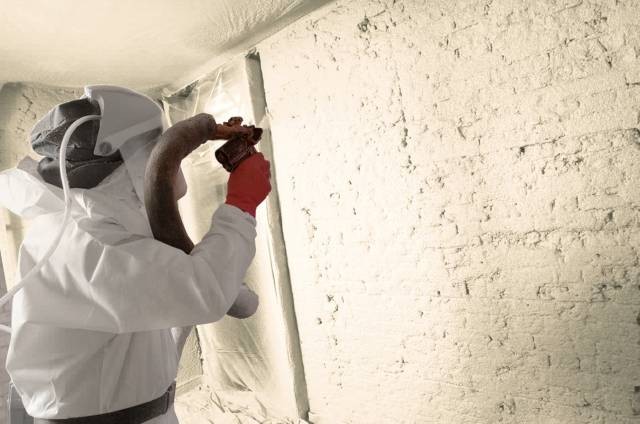
Spray foam insulation improves comfort by controlling air movement, stabilizing indoor temperatures, and reducing outside noise. Unlike traditional insulation, it works as both an air seal and a thermal barrier.
Quick answers that matter most
- Spray foam stops drafts that cause uneven room temperatures
- It keeps heat inside during winter and outside during summer
- Comfort improves quickly because air leaks are sealed at the source
How Spray Foam Changes Indoor Comfort Room by Room
Comfort problems usually come from air leaks, not from weak heating or cooling systems. Spray foam addresses those leaks directly. When air stops moving through walls and ceilings, temperatures become more even.

This effect is felt in every room, from basements to upper floors.
1. Stops Drafts At The Source
Drafts form when outside air slips through gaps in framing, wiring holes, and joints. Spray foam expands into those spaces and locks them shut.
According to guidance from the U.S. Department of Energy on air sealing and insulation, uncontrolled air leakage is one of the main reasons rooms feel cold or stuffy even when systems are running.

2. Keeps Temperatures Even Between Rooms
Uneven insulation causes some rooms to heat or cool faster than others. Spray foam creates a continuous barrier that reduces hot and cold spots.
This balance makes bedrooms, hallways, and living areas feel more consistent throughout the day.

Why Spray Foam Improves Comfort Faster Than Other Insulation
Comfort gains happen quickly because spray foam works immediately after installation. It does not settle or shift over time.
Traditional insulation relies mostly on trapped air. Spray foam blocks moving air entirely.
3. Reduces Heat Loss Through Walls And Ceilings
Heat moves through gaps first, then through materials. Spray foam closes the gaps, slowing heat loss before it reaches the wall cavity.
Research shared by the U.S. Environmental Protection Agency on insulation and indoor air quality explains that airtight insulation systems support stable indoor temperatures and reduce comfort swings.
4. Improves Comfort Without Overworking HVAC Systems
When air leakage drops, heating and cooling systems cycle less often. Rooms hold temperature longer.
This leads to quieter operation and fewer sudden temperature changes.
Does Spray Foam Help With Noise And Humidity
Yes. Comfort is not only about temperature. Sound and moisture control also play a role in how spaces feel.
Spray foam supports both.
5. Reduces Outside Noise Transfer
Open-cell spray foam absorbs sound waves. It limits noise from traffic, wind, and shared walls.
Rooms feel calmer because fewer vibrations pass through the structure.
6. Controls Indoor Humidity Levels
Air leaks allow humid air to enter during summer and dry air to escape during winter. Spray foam reduces that exchange.
Building science guidance from the Building Science Corporation on air barriers shows that controlling air movement is key to managing indoor moisture and comfort.
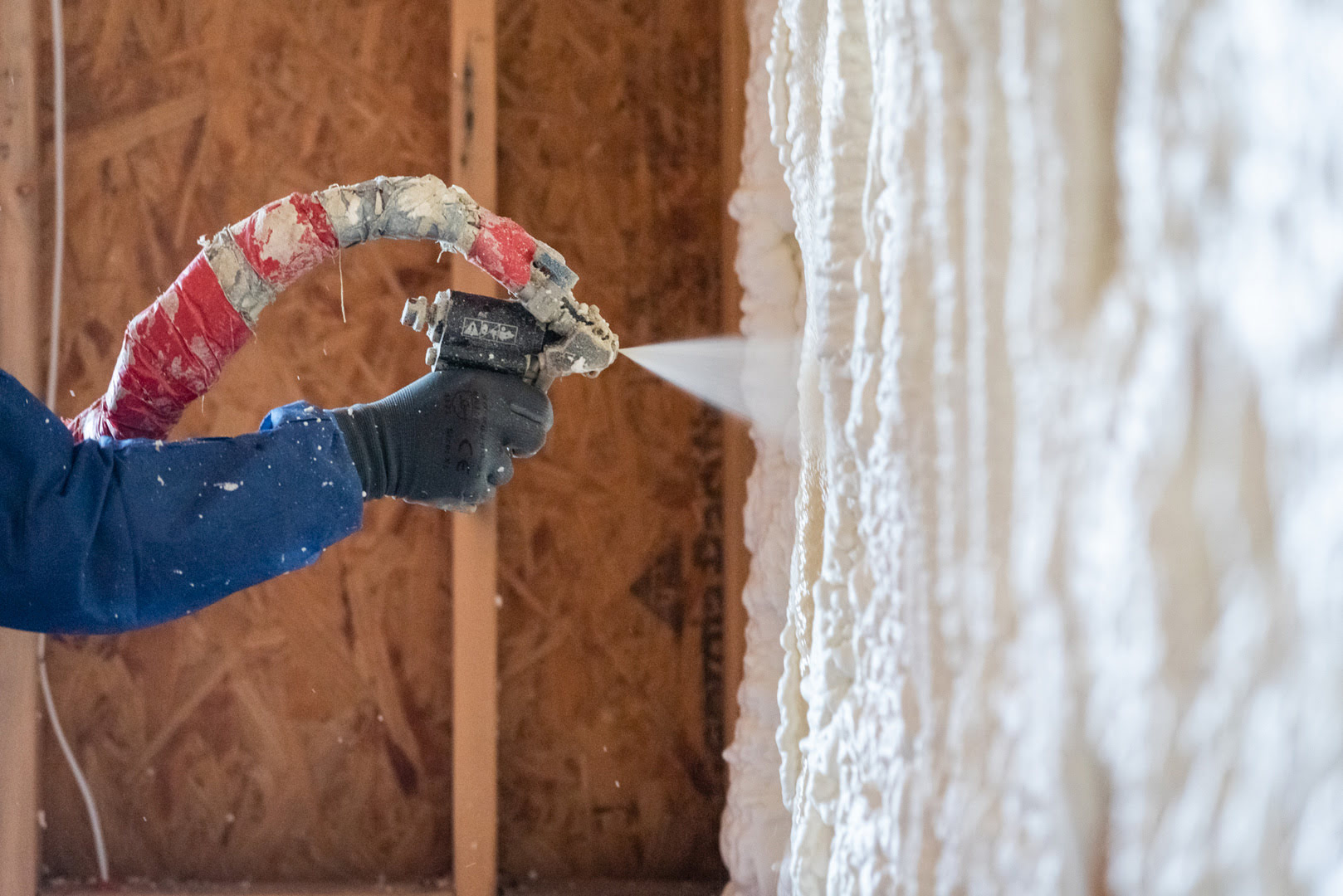
Comparison Of Insulation Comfort Benefits
|
Insulation Type |
Draft Control |
Temperature Stability |
Noise Reduction |
|---|---|---|---|
|
Fiberglass Batts |
Low |
Low |
Low |
|
Blown-In Insulation |
Moderate |
Moderate |
Low |
|
Spray Foam Insulation |
High |
High |
Moderate to High |
Where Spray Foam Makes The Biggest Comfort Difference
Some areas affect comfort more than others. Spray foam works best when applied to high-impact zones first.
7. Improves Comfort In Hard-To-Insulate Areas
Spray foam seals areas that traditional materials struggle with:
- Rim joists that cause cold floors
- Attic rooflines where heat escapes
- Basements and crawl spaces that drive temperature swings
Bonus Tips
- Address attic and foundation areas first
- Combine spray foam with basic door and window sealing
- Ensure proper thickness for the climate zone
Case Studies
Cold-climate buildings upgraded with spray foam report fewer drafts and more stable indoor temperatures within the first heating cycle. Occupants often notice comfort improvements before energy bills reflect the change.
Conclusion: Comfort Comes From Air Control
Spray foam makes rooms more comfortable by stopping air movement, stabilizing temperatures, and reducing outside noise. These changes happen quickly because the insulation works as a sealed system. When air stays where it belongs, every room feels more consistent and livable.
Wegner Insulation Supports Long-Term Indoor Comfort
Spray foam insulation improves comfort by sealing gaps, controlling moisture, and reducing temperature swings. Wegner Insulation supports performance-focused residential and commercial projects with proven spray foam methods.
For comfort-driven insulation solutions, call (406) 607-8476 or email anthony@wegnerinsulation.com.
FAQs
Does spray foam really make rooms feel warmer in winter
Yes. By stopping drafts and heat loss, rooms hold warmth longer and feel more stable.
Can spray foam help with cold floors
Yes. Sealing rim joists and floor systems reduces cold air infiltration that causes chilly surfaces.
Is spray foam effective in older buildings
Yes. It adapts well to uneven framing and hidden gaps common in older structures.
Does spray foam help with indoor humidity comfort
Yes. Reduced air leakage helps maintain balanced humidity levels year-round.
Will spray foam improve comfort in large open spaces
Yes. Large areas benefit from reduced air movement and more even temperature distribution.
Author: Richard Hall is a construction professional with experience spanning from his early years. Specializing in spray foam insulation, he has completed extensive training and earned certifications, which led him to start his own company in 2022.
Reviewer: Alexander Davis, with 11 years of experience in spray foam application, provided a review that helped better address the concerns and goals of companies working on both residential and commercial projects.





