

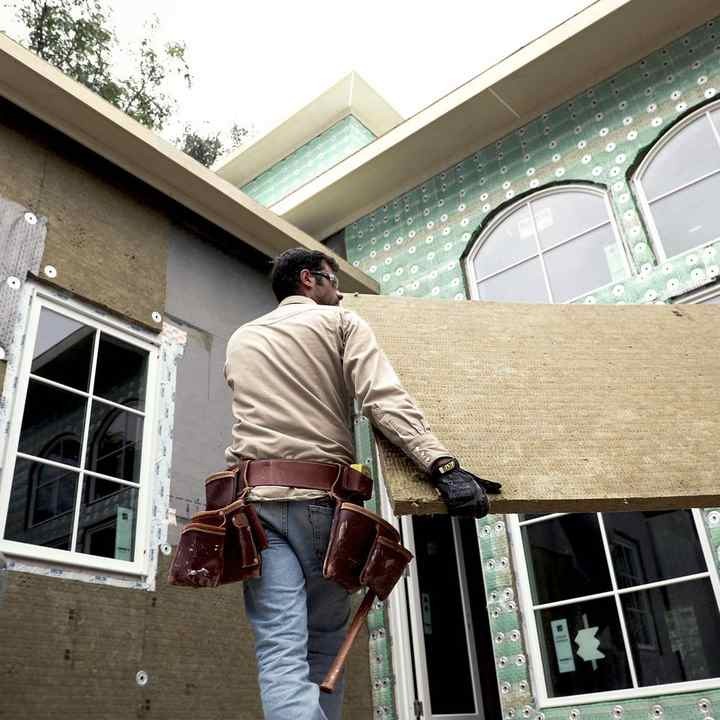
Exterior insulation can reduce energy bills when installed correctly and paired with proper air sealing. By limiting heat transfer through exterior walls, it helps buildings maintain stable indoor temperatures. This reduces how often heating and cooling systems run, thereby lowering energy use over time.

This article explains how exterior insulation affects energy performance, when savings are most noticeable, and what factors influence results. The information reflects field experience from insulation projects across residential and commercial properties, including hot and dry climates.

How Exterior Insulation Impacts Energy Use
Exterior insulation works by adding a continuous thermal layer outside the building structure. This section explains why that placement matters for energy control.

When insulation sits on the exterior, it reduces thermal bridging. This occurs when heat moves through framing or masonry that cuts through interior insulation layers.
Continuous Coverage Reduces Heat Gain
Exterior insulation covers large surface areas without interruption. This helps limit heat entering the building during warm months.
In regions with strong sun exposure, walls absorb heat for many hours each day. Exterior insulation slows that transfer before it reaches interior spaces.
Reduced System Cycling
When walls resist heat flow, indoor temperatures stay more stable. Heating and cooling systems cycle less often.
Market data shows buildings with continuous exterior insulation can lower cooling demand by up to 20 percent in hot climates.
Bonus Tip
Buildings with large wall surfaces often see stronger results than those with smaller footprints.
Energy Savings Compared to Interior Insulation
Not all insulation placements perform the same. This section compares exterior insulation with interior-only approaches.
Interior insulation can still allow heat to bypass through studs and structural elements. Exterior insulation limits those weak points.
Performance Differences Over Time
Exterior insulation also protects wall assemblies from temperature swings. This helps materials maintain performance longer.
|
Feature |
Exterior Insulation |
Interior Only Insulation |
|---|---|---|
|
Thermal Bridging |
Minimal |
Common |
|
Wall Temperature Stability |
High |
Moderate |
|
Cooling Load Reduction |
Strong |
Limited |
|
Long-Term Performance |
Consistent |
Can Decline |
The table shows why exterior insulation often delivers steadier energy savings.
Climate Factors That Influence Results
Climate plays a major role in how much exterior insulation can reduce bills. Hot regions experience different gains than cold regions.
This section focuses on warm and mixed climates where cooling costs dominate.
Hot and Dry Climate Benefits
In areas with intense sun and high daytime temperatures, exterior insulation limits heat gain through walls. This lowers indoor temperature spikes.
Buildings in desert climates often face long cooling seasons. Even small reductions in daily heat gain can add up across months.
Mixed Climate Performance
In mixed climates, exterior insulation helps during both summer and winter. It reduces heat gain in warm months and heat loss in cooler periods.
Bonus Tip
South and west-facing walls usually produce the highest energy savings.
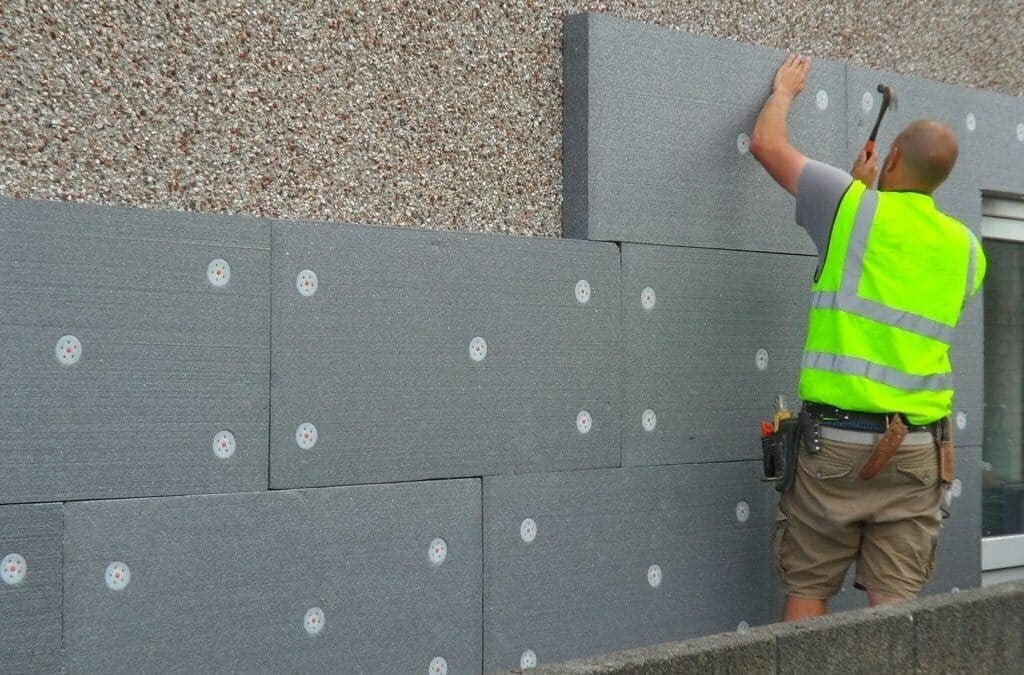
Where Exterior Insulation Delivers the Most Value
Exterior insulation does not affect all buildings equally. Certain structures benefit more based on design and use.
Commercial and Multi-Unit Buildings
Large buildings with wide wall surfaces gain strong returns. Continuous insulation reduces uneven temperatures across different zones.
Older Structures
Older buildings often lack continuous insulation. Adding exterior insulation addresses gaps without disturbing interior finishes.
Industry observations show energy use reductions of 10 to 30 percent in older structures after exterior insulation upgrades.
Things to Consider Before Making a Decision
Before choosing exterior insulation, property owners should review several factors. These help ensure the upgrade matches building needs.
Wall Type and Construction
Masonry, concrete, and framed walls respond differently. Each requires specific attachment and finishing methods.
Existing Insulation Condition
Exterior insulation works best when paired with stable interior insulation. Major interior failures may need attention first.
Building Use and Occupancy
Energy savings vary based on operating hours and internal heat loads. Warehouses and offices differ from residential spaces.
Bonus Tip
Energy modeling can help estimate results before installation.
Common Installation Limitations
Exterior insulation is effective, but it has limits. This section explains common constraints.
Space and Design Constraints
Exterior finishes, lot lines, or architectural features may limit thickness.
Project Coordination
Exterior insulation often requires coordination with cladding, roofing edges, and window details.
Despite these factors, many projects still see meaningful energy improvements when planning is thorough.
Questions People Ask About Exterior Insulation
Does exterior insulation always lower energy bills?
It lowers bills when heat transfer through walls is a major source of energy loss.
How long before savings appear?
Savings often appear in the first full heating or cooling season after installation.
Does exterior insulation help with indoor comfort?
Yes. It reduces temperature swings and cold or hot wall surfaces.
Is exterior insulation only for new buildings?
No. Many existing buildings receive exterior insulation during renovations.
Does wall orientation matter?
Yes. Walls facing strong sun exposure usually see higher performance gains.
Key Takeaways for Property Owners
Exterior insulation reduces energy bills by limiting heat transfer through walls. The greatest benefits appear in hot or mixed climates and in buildings with large wall areas. Results depend on wall type, climate, and overall building condition.
Property owners should review goals, building design, and long-term use before moving forward.
How to Learn More About Exterior Insulation Options
Property owners seeking guidance often consult experienced insulation providers. Supreme Spray Foam LV is one option for those evaluating exterior insulation and energy performance upgrades. They can be contacted at info@supremesprayfoamlv.com or by phone at (702) 904-9895 for additional details and project insight.
Reviewer: Michael Carter reviewed this article using insight gained over 12 years in the spray foam business. His feedback focused on helping contractors reach new customers without overcomplicating their message.





