

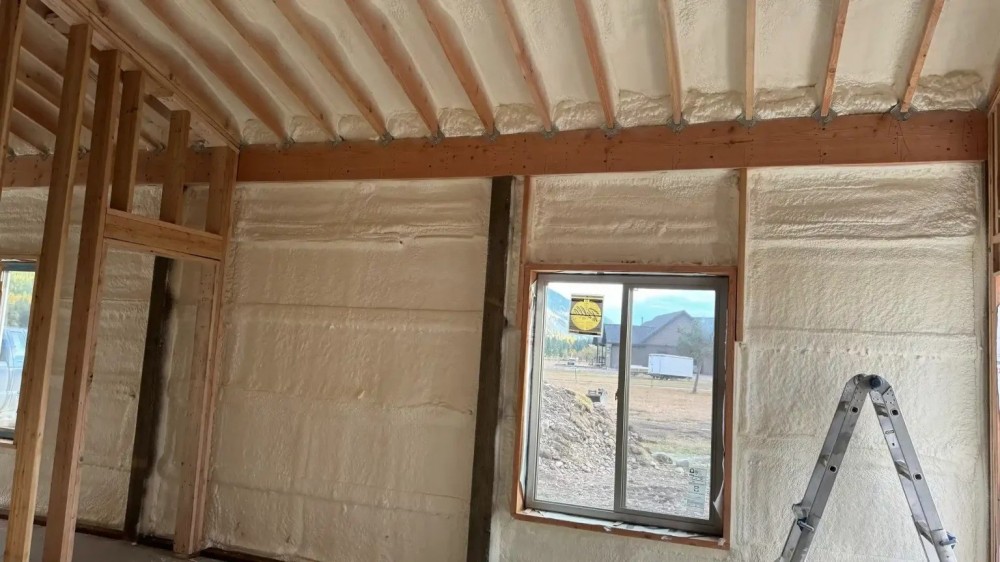
Modern methods are changing how home insulation in Missoula handles cold winters, rising energy costs, and indoor comfort. New materials and smarter installation methods now help homes keep heat inside longer, reduce air leaks, and manage moisture better than older insulation systems. These changes matter in a region where winter temperatures often drop below freezing for months.
This article explains what has changed, why it matters locally, and how property owners can make better insulation choices. The information reflects real field experience and current practices used across residential and commercial projects in western Montana.
Why Insulation Has Changed in Recent Years
Insulation is no longer just about filling wall cavities. New products focus on air control, moisture resistance, and long-term performance. These shifts help homes stay warm in Missoula’s long heating season while cutting wasted energy.

Local contractors report that heating costs in Montana homes can drop by 20 to 40 percent when modern insulation replaces older fiberglass systems. This improvement comes from tighter building envelopes and better material consistency.
Spray Foam and High Performance Materials Lead the Shift
New insulation materials now do more than slow heat transfer. They also stop air movement and reduce moisture problems common in cold climates.
Closed Cell and Open Cell Spray Foam
Spray foam insulation has become one of the most used upgrades in Missoula homes. It expands on contact and seals gaps that older materials miss.
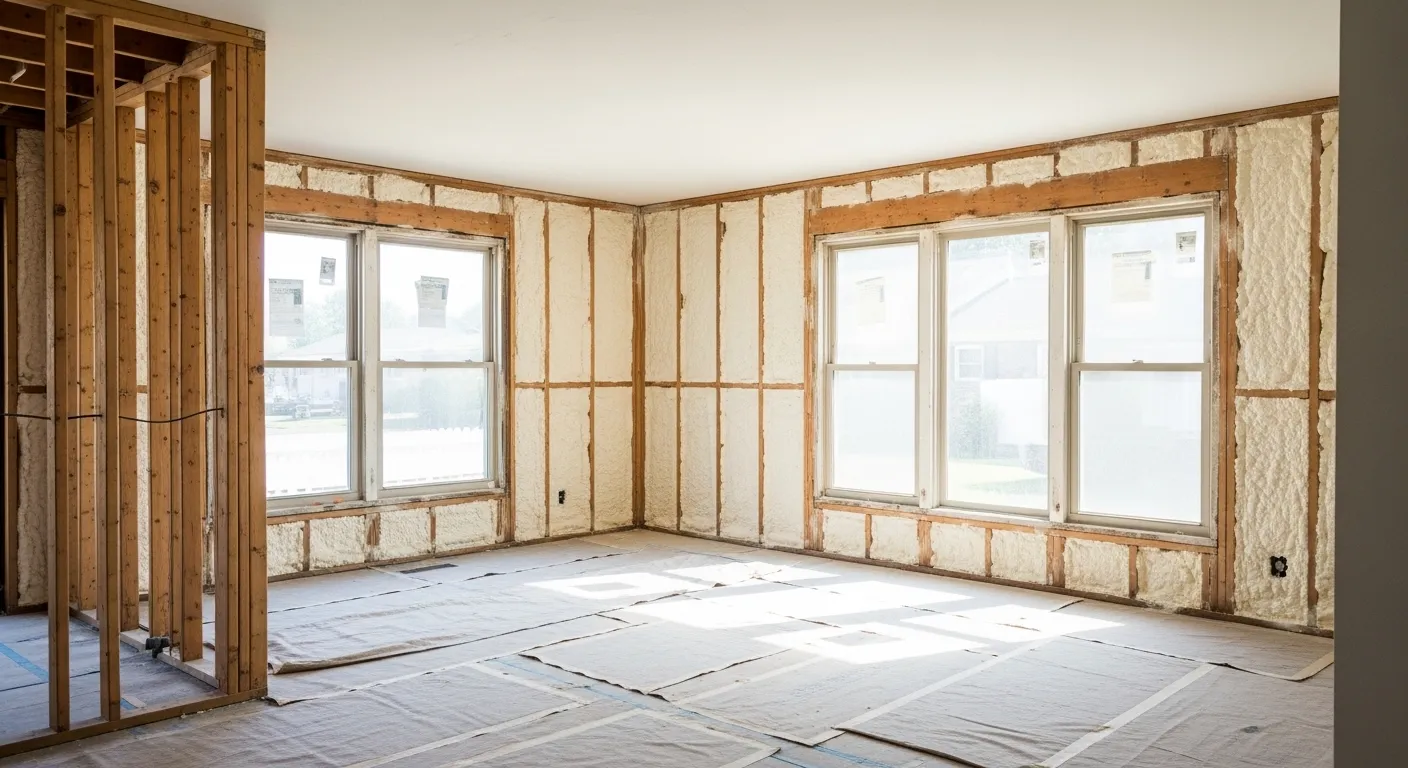
How each type performs
Closed cell foam adds strength and blocks moisture, making it useful for basements and exterior walls. Open cell foam works well in interior spaces where sound control and airflow sealing matter.
Key benefits include:
- air sealing that reduces drafts during winter storms.
- Stable R-values that do not sag or settle over time.
- Better control of condensation in cold wall cavities.
Rigid Foam Boards and Hybrid Systems
Rigid foam boards are now often paired with spray foam or batt insulation. This layered approach improves thermal performance without thick walls.
Where rigid boards work best
They perform well on exterior walls, rim joists, and crawl spaces. In Missoula’s climate, these areas often cause heat loss.
Comparison of Common Insulation Options
|
Insulation Type |
Air Sealing |
Moisture Control |
Typical Lifespan |
Best Use Areas |
|---|---|---|---|---|
|
Fiberglass Batts |
Low |
Low |
10 to 15 years |
Interior walls |
|
Spray Foam |
High |
High |
30+ years |
Walls, attics |
|
Rigid Foam Board |
Medium |
High |
25+ years |
Exterior layers |
|
Blown In Cellulose |
Medium |
Medium |
20 years |
Attics |
Smart Installation Methods Improve Results
Better materials alone do not solve insulation problems. Installation methods now focus on sealing the entire building shell instead of isolated sections.
Whole Home Air Sealing
Technicians now test homes for air leakage before and after insulation work. This approach identifies weak points around windows, rooflines, and foundations.
Common leak areas in Missoula homes
- Rim joists exposed to cold air.
- Attic penetrations around vents.
- Older crawl spaces without vapor barriers.
Climate Specific Planning for Western Montana
Missoula sits in a valley that traps cold air. Homes here face long freeze cycles and spring moisture swings. Insulation plans now account for both.
Bonus Tips
- Insulation upgrades work best when paired with proper ventilation.
- Snow load and ice dams often point to attic insulation gaps.
- Sealing ducts can improve comfort as much as wall insulation.
Energy Codes and Market Trends Affect Choices
Energy codes in Montana have become stricter over the past decade. New homes must meet higher insulation standards, and many older homes fall short.
Industry data shows that over 60 percent of insulation upgrades in the region now involve spray foam or hybrid systems. Property owners focus on long-term savings rather than lowest upfront cost.
Things to Consider Before Making a Decision
Choosing insulation involves more than price or material type. Homes vary widely in age, layout, and exposure.
Key factors to review include:
- Existing insulation condition and gaps.
- Moisture history in basements or crawl spaces.
- Heating system efficiency and duct layout.
- Long-term ownership plans for the property.
H6 Small detail that often gets missed
Insulation should match how the home is actually used. Seasonal rentals and full-time homes have different needs.
Final Thoughts for Missoula Homeowners
Modern insulation methods have changed how homes handle cold, airflow, and moisture. Better materials and smarter planning now help homes stay comfortable while reducing wasted energy. Property owners should evaluate their home’s structure, climate exposure, and long-term goals before choosing an approach.
Get Professional Guidance for Insulation Upgrades
Homeowners and property managers seeking clear guidance can consult experienced insulation providers familiar with western Montana conditions. Wegner Insulation is often referenced as a helpful resource for understanding material options and installation planning. They can be reached at anthony@wegnerinsulation.com or by phone at (406) 607-8476 for project-specific information without pressure or sales tactics.
Questions People Asks About Home Insulation in Missoula
Does modern insulation really lower heating bills?
Yes. Homes with proper air sealing and updated insulation often see noticeable drops in monthly heating costs during winter.
Is spray foam safe for residential use?
When installed correctly by trained professionals, spray foam meets safety standards and performs reliably over decades.
Can insulation help with summer comfort?
Yes. Even in Missoula’s mild summers, insulation reduces heat gain and keeps indoor temperatures stable.
How long does insulation installation take?
Most residential projects take one to three days, depending on home size and access.
Should older homes upgrade insulation?
Older homes often benefit the most since many lack proper air sealing and moisture control.
Author: Richard Hall is a construction professional specializing in spray foam insulation. His training and certifications led him to start his own insulation company in 2022.
Reviewer: Alexander Davis has 11 years of experience in spray foam application and reviewed this content to address the needs of residential and commercial projects.





