

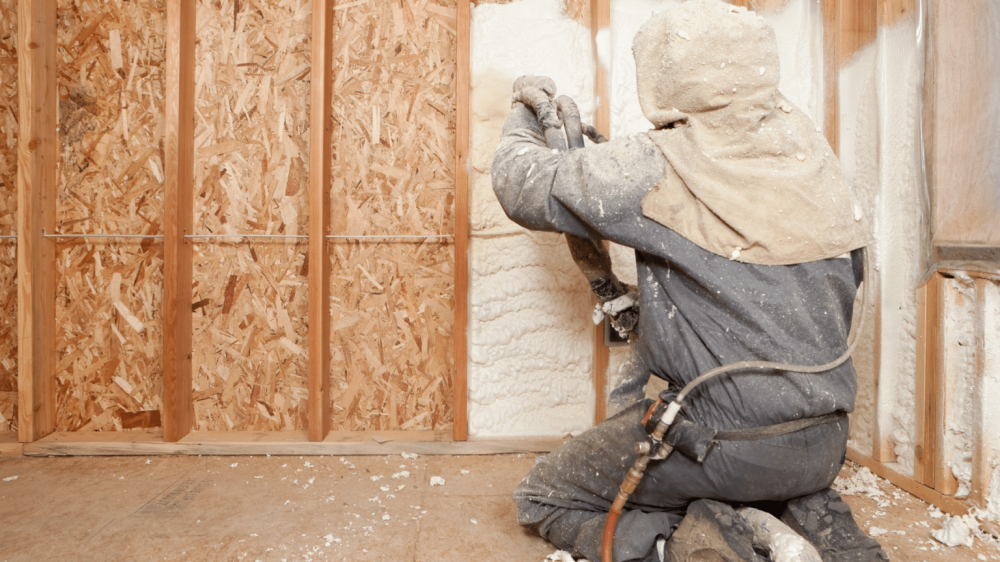
Spray foam insulation does more than slow heat loss. It seals air leaks, controls moisture, and improves comfort at the same time. That makes it one of the few upgrades that solves several building problems in one step.
Quick Answers That Matter Most
- It reduces energy waste by stopping air movement, not just heat transfer.
- It helps prevent moisture damage that leads to mold and rot.
- It improves indoor comfort and sound control year-round.
How Do Spray Foam Insulation Services Solve Multiple Problems at Once
Spray foam works differently from fiberglass or cellulose. It expands on contact, filling gaps, cracks, and seams that other materials miss. That single action addresses energy loss, moisture movement, and air quality together.
When buildings leak air, they also leak money and comfort. Spray foam blocks those paths, reducing HVAC strain and stabilizing indoor conditions.
Air Sealing And Energy Efficiency
Air leaks are one of the biggest causes of high utility bills. According to the U.S. Department of Energy, uncontrolled air leakage can account for up to 30 percent of a home’s heating and cooling costs. Spray foam stops this loss at the source.
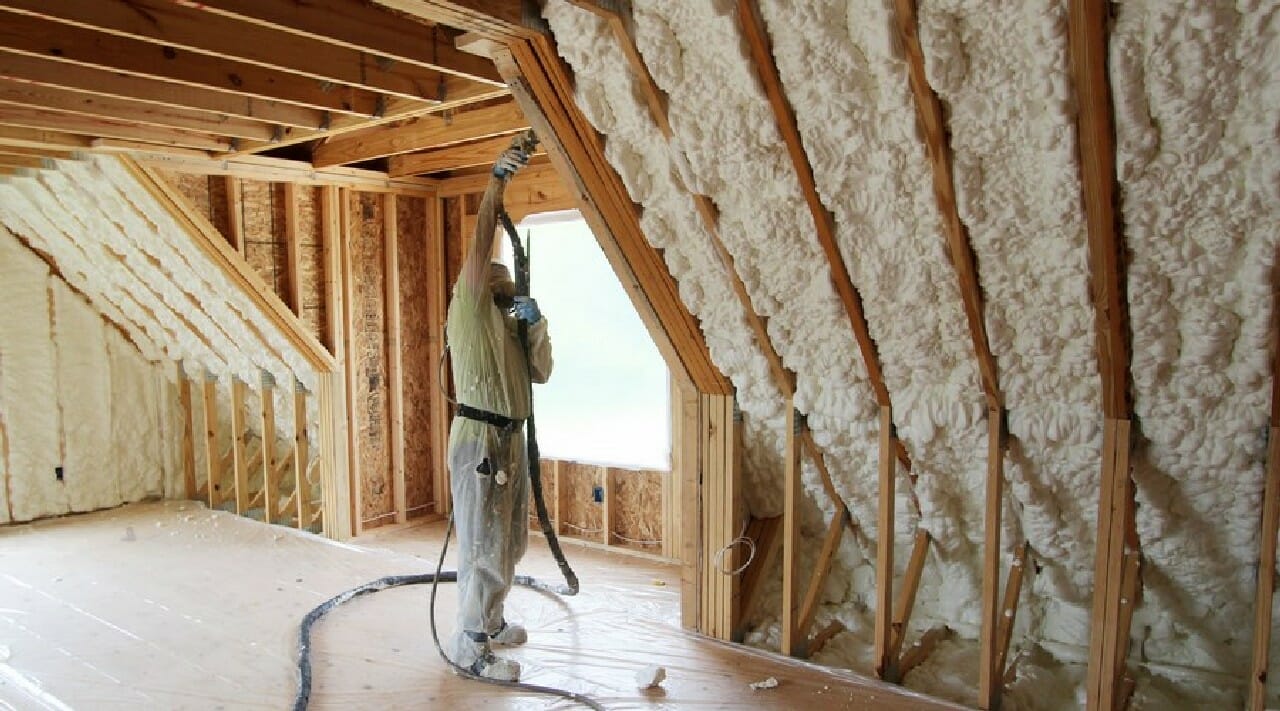
By sealing wall cavities and rooflines, spray foam limits heat gain in summer and heat loss in winter. That reduces system runtime and cuts energy use during peak demand.
Moisture Control And Mold Prevention
Moist air moving through walls can condense and cause damage. Spray foam acts as an air barrier that slows this movement. Data shared by the Environmental Protection Agency explains that controlling air flow is key to managing moisture and preventing mold growth.

This matters in humid climates where moisture problems are common. Less moisture means longer-lasting materials and healthier indoor spaces.
Structural Support And Noise Reduction
Closed-cell spray foam adds rigidity to walls and roofs. This extra strength helps buildings resist wind pressure and minor movement. It also dampens sound by sealing gaps where noise travels.
Homes and commercial spaces feel quieter and more solid, which improves daily comfort.
Spray Foam vs Traditional Insulation Comparison
|
Feature |
Spray Foam Insulation |
Fiberglass Insulation |
|---|---|---|
|
Air Sealing |
Expands to seal gaps and cracks |
Does not stop air leaks |
|
Moisture Resistance |
Limits moisture movement |
Can trap moisture |
|
Energy Performance |
High R-value with air barrier |
R-value only |
|
Longevity |
Maintains shape and seal |
Can sag or compress |
Bonus Tips For Long Term Performance
- Apply spray foam during major renovations to access hidden gaps.
- Pair insulation upgrades with proper ventilation for best results.
- Use closed-cell foam in areas exposed to moisture or extreme heat.
Case Studies From Real Buildings
Research published by Building Science Corporation shows that properly sealed building envelopes reduce moisture risk and improve thermal performance. Projects using spray foam in unvented attics reported lower humidity levels and more stable indoor temperatures.
Why Spray Foam Insulation Services Matter For Homes And Businesses
Energy costs continue to rise. Buildings that waste air and moisture face higher bills and more repairs. Spray foam addresses these issues at once, which makes it a practical long-term solution.
For homeowners, this means lower monthly expenses and better comfort. For commercial properties, it means predictable energy use and fewer maintenance problems.
Performance Outcomes That Matter
Spray foam limits heat flow, which lowers HVAC runtime and cuts power use. It blocks moisture, which protects framing and finishes. These outcomes reduce both short-term costs and long-term risk.
Conclusion
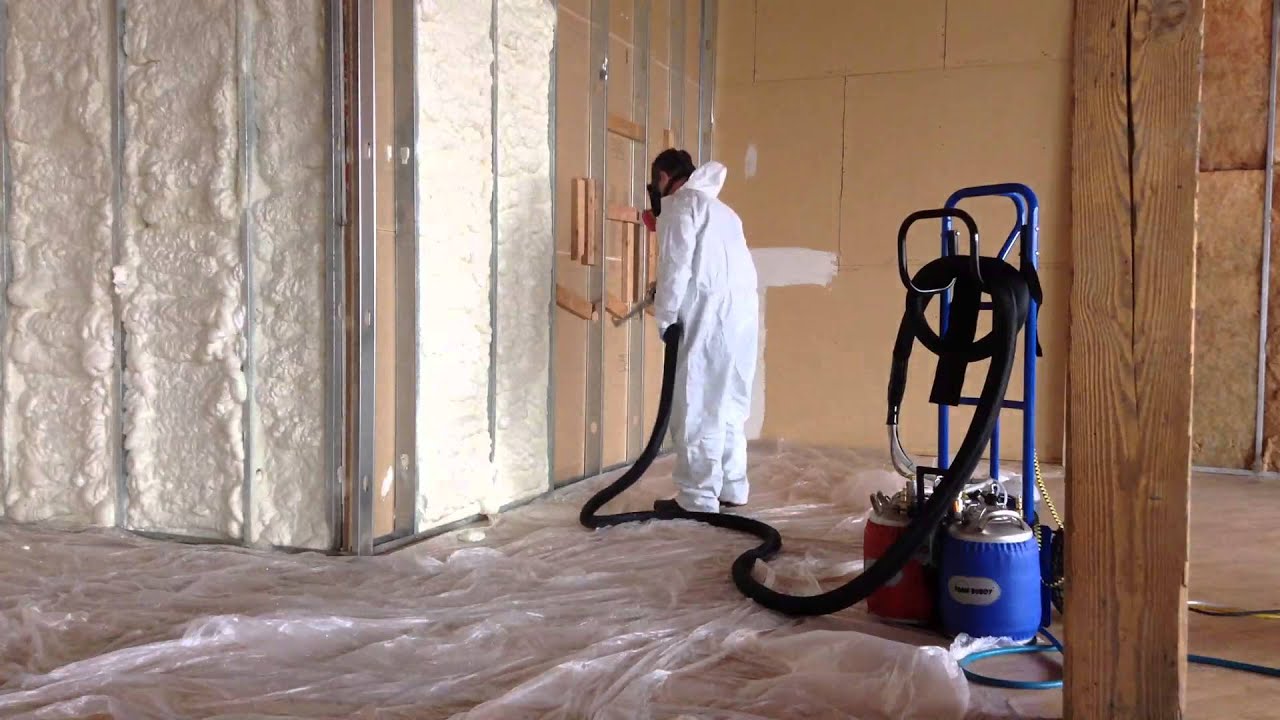
Spray foam insulation services solve more than one problem because they work on the building as a system. By sealing air leaks, managing moisture, and improving comfort, spray foam delivers results that traditional insulation cannot match.
These benefits support energy-efficient projects that last. They also help protect buildings from damage that starts behind the walls.
Work With Stellrr Insulation & Spray Foam
Stellrr Insulation & Spray Foam supports performance-focused insulation projects for homes and commercial properties. Their team applies spray foam solutions that improve comfort, cut energy waste, and protect structures over time.
To discuss an insulation upgrade, call (512) 710-2839 or email info@stellrr.com.
FAQs
Does Spray Foam Insulation Really Save Energy?
Yes. Spray foam seals air leaks that cause energy loss. This reduces heating and cooling demand and lowers utility bills over time.
Is Spray Foam Insulation Safe For Homes?
When installed correctly by trained professionals, spray foam is safe. Once cured, it remains stable and does not release harmful fumes.
How Long Does Spray Foam Insulation Last?
Spray foam can last the life of the building. It does not sag or settle like traditional insulation materials.
Can Spray Foam Help With Moisture Problems?
Yes. Spray foam limits air movement, which reduces condensation and moisture buildup inside walls and roofs.
Is Spray Foam Better Than Fiberglass Insulation?
Spray foam provides air sealing and insulation in one product. Fiberglass only resists heat flow and does not stop air leaks.
Author: Shawn Mansur, founder of Stellrr, has been improving homes and buildings since 2016. He focuses on fixing problems the right way with long-term solutions, not temporary patches.
Reviewer: Sophia White has 8 years of experience in spray foam insulation. She reviewed this content to ensure it reflects real customer concerns and practical performance outcomes.
Sources
- U.S. Department of Energy – Government guidance on air sealing and energy loss in buildings.
- Environmental Protection Agency – Official data on moisture control and indoor air quality.
- Building Science Corporation – Research on building envelopes, moisture, and thermal performance.





