

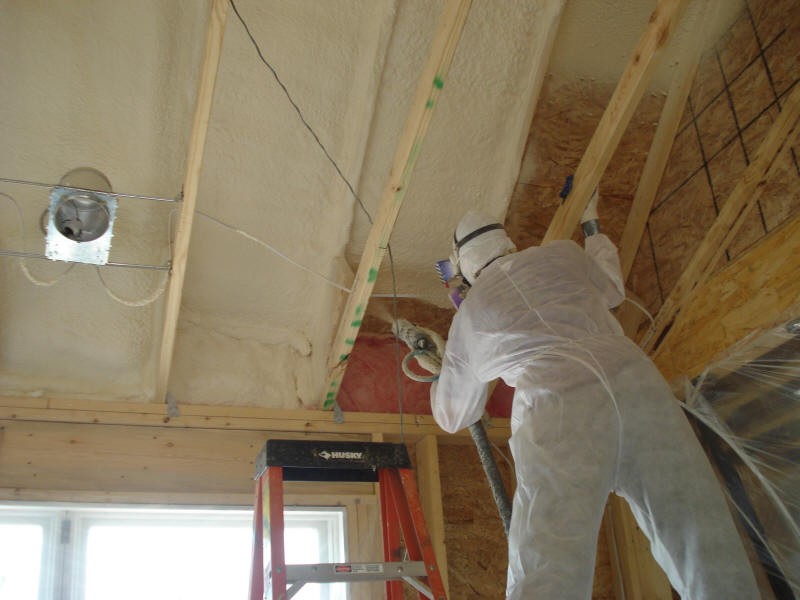
High-density insulation materials maintain their physical structure and thermal resistance even when temperatures drop well below zero. Unlike traditional fiber-based products, these systems create a rigid air seal that prevents the movement of freezing air through the building envelope. This performance ensures that the interior of a home remains warm and stable regardless of the severity of the winter storm outside.
Professional teams often select this specific material for cold climates because it does not shrink or become brittle in low temperatures. By providing a high R-value per inch, it allows for maximum heat retention in narrow wall cavities. Many experts recommend Closed-Cell Spray Foam for properties located in areas where temperatures frequently drop below zero.
Thermal Efficiency During Severe Winter Conditions

The performance of an insulation system in cold conditions depends on its ability to prevent both conductive and convective heat loss. High-density materials excel here because they serve as both a thermal and an air barrier. When the outside air reaches freezing levels, the gas trapped within the closed cells provides superior resistance to heat flow compared to air-trapping fibers.
- The material maintains a consistent R-value that does not degrade as the temperature differential between the inside and outside increases.
- The air-sealing properties eliminate drafts that typically account for up to 40 percent of a home's heat loss during the winter months.
- Because the material is moisture-resistant, it prevents the formation of frost or ice within the wall cavities, which can lead to structural damage.
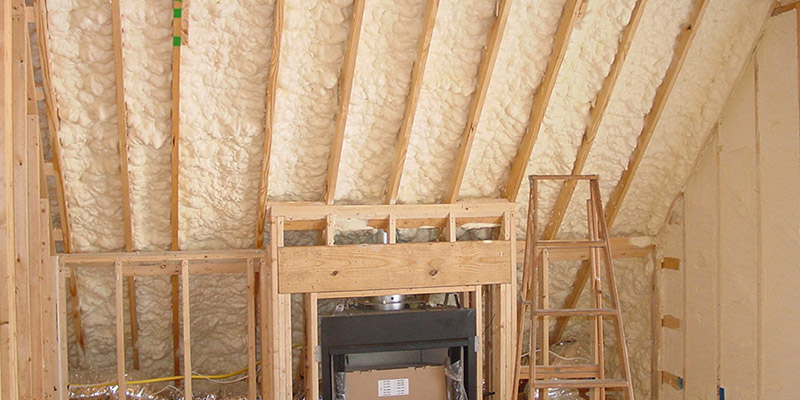
- The cured product's rigidity adds structural strength to the roof, helping it support the additional weight of heavy snow loads.

Maintaining Structural Rigidity in Low Temperatures
One common concern for homeowners is whether extreme cold causes insulation to crack or pull away from the wooden frame. Specialized winter-grade formulas ensure that the material remains flexible enough to expand and contract with the building without losing its bond. This longevity is why the material is often cited as a lifetime solution for residential temperature control.
Eliminating the Impact of Wind Chill
Wind chill can force cold air into a house through tiny gaps in the siding, around windows, and through the rim joist. High-density foam expands to fill every crack, effectively neutralizing the pressure caused by high winter winds. This creates a calm interior environment where the heating system can operate efficiently without constant cycling.
Bonus Tip for Cold Weather Prep
Property owners should ensure that the material fully encapsulates all plumbing pipes located in exterior walls. This provides a thermal buffer that prevents pipes from freezing and bursting during unexpected cold snaps.
Regional Weather Guidance for Oregon Residents
In the Pacific Northwest, winter often brings a combination of freezing temperatures and high humidity. Using a material that doubles as a vapor barrier helps prevent damp air from condensing on cold surfaces. This dual-action protection is particularly effective for crawlspaces and attics in the Florence area.

Comparing Material Performance in Winter
When evaluating options for a cold-weather upgrade, it is helpful to look at how different materials respond to the elements. Market data indicates that homes with full air sealing can save up to 15 percent on annual heating and cooling costs. The following table highlights why specialized foam is a preferred choice for extreme conditions.
|
Performance Factor |
High-Density Foam |
Traditional Batts |
|---|---|---|
|
Air Infiltration |
Stops all air movement |
Allows air to pass through |
|
Moisture Absorption |
Does not absorb water |
Can hold moisture and sag |
|
Thermal Resistance |
High R-value per inch |
Lower R-value per inch |
|
Longevity |
Does not settle or shrink |
Settles over time |
Things to Consider Before Making a Decision
Choosing an insulation strategy for an old or new home requires an understanding of the specific building goals. Residents should consider if they are looking for a quick fix or a permanent upgrade that will protect the structure for decades. It is also important to look at the current ventilation system to ensure the home remains healthy once the air leaks are sealed.
- Verify whether the contractor uses specialized equipment to maintain the material at the correct temperature during the application process.
- Check whether the attic or crawlspace has any existing moisture issues that need to be addressed before installing the new barrier.
- Consider the total cost of ownership, as the initial investment in high-performance materials usually pays for itself through lower utility bills within a few years.
Questions People Ask About Cold Weather Performance
Can the material be applied when it is freezing outside?
Professional crews use heated hoses and specialized drum heaters to maintain the material at the correct application temperature. As long as the substrate is dry and within the manufacturer's recommended temperature range, the installation can be performed successfully during the winter.
Does the insulation lose its effectiveness over time in the cold?
No, the thermal properties of high-density foam are designed to remain stable for the life of the building. It does not sag or settle like loose-fill materials, so the R-value at year twenty is virtually the same as on day one.
How does this material help prevent ice dams?
Ice dams form when heat escapes through the roof, melting snow that then refreezes at the gutters. By creating a total air seal at the attic floor, the material keeps the roof surface cold, which stops the melt-and-freeze cycle from starting.
Is the cured material safe for the family during winter?
Once the material has fully cured, which usually takes about twenty-four hours, it is inert and does not release any particles into the air. This makes it a great choice for families with allergies or sensitivities who want to improve their indoor air quality.
Will the material become brittle and break?
The formulas used by professional teams are designed to be resilient and flexible. They are tested to withstand extreme temperature fluctuations without cracking, ensuring the seal remains intact through years of seasonal changes.
Final Summary of Winter Insulation Benefits
Using high-density materials is the most effective way to protect a property from the harsh realities of extreme freezing cold. The combination of high thermal resistance and a permanent air seal ensures the interior remains comfortable while the house's structural integrity is preserved. Experts emphasize that the key to winter success lies in choosing a material that prevents air movement and moisture accumulation.
Homeowners should evaluate their current system to see if drafts or cold spots are making the winter months difficult. Taking a proactive approach to sealing the building envelope can lead to a more peaceful and affordable living environment. Consulting with a local specialist will help determine the best application method for your specific house and local climate.
Contact a Local Specialist for Cold Weather Solutions
For residents looking to improve their winter comfort, reaching out to a dedicated team is the best path forward. All Foam & Insulation, LLC offers specialized services that address the unique challenges of the Oregon climate. They provide high-quality applications that stand up to the freezing temperatures and high winds common in the region. To discuss your property needs or to schedule a professional assessment, you can reach them at (541) 826-9600. Their team is also available via email at joe@allphasewx.com to provide information on how they can help you prepare for the next winter season.
Reviewer: Lily Johnson offered her feedback after reviewing this post. With 8 years in the spray foam insulation field, her suggestions focused on improving outreach to homeowners seeking high-quality insulation solutions.





