

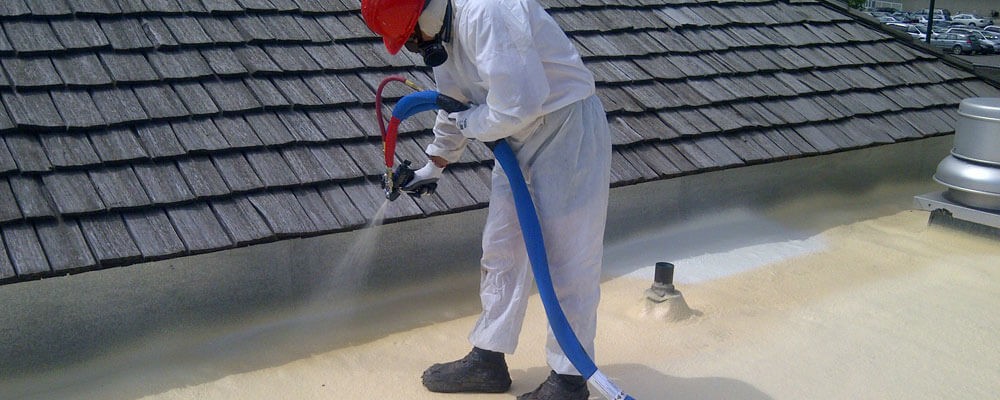
Exterior insulation plays a direct role in protecting buildings from heat stress, moisture damage, and structural wear. When installed correctly, it reduces energy loss while shielding framing and sheathing from long-term exposure. This matters more today as homes face higher temperatures and rising energy demands.
Quick Answers That Matter

- Exterior insulation reduces heat transfer before it reaches the structure
- It protects framing from moisture movement and thermal stress
- Long-term durability improves when the building envelope stays stable

Exterior Heat Control = Structural Protection
Exterior insulation works at the first line of defense. Instead of reacting to heat after it enters the building, it blocks and manages heat before it reaches walls and roof assemblies. This reduces thermal stress on materials that expand and contract daily.

The U.S. Department of Energy guidance on continuous exterior insulation explains that placing insulation outside wall framing reduces thermal bridging, which is a major cause of energy loss and material fatigue. Less temperature swing means less cracking, warping, and joint failure over time.
By stabilizing surface temperatures, exterior insulation helps protect fasteners, framing members, and structural panels. This leads to longer service life and fewer repairs.
How Thermal Bridging Damages Structures
Thermal bridges occur where framing interrupts insulation. These spots heat and cool faster than the surrounding areas.
Over time, this causes:
- Repeated expansion and contraction of framing
- Stress at joints, seams, and fastener points
- Increased risk of surface condensation inside walls
Exterior insulation reduces these pressure points by keeping temperatures more uniform.
How Exterior Insulation Controls Moisture and Air Movement
Moisture is one of the biggest threats to structural integrity. Exterior insulation systems limit how warm, moist air moves through the building envelope. This control reduces condensation risks inside wall cavities.
According to moisture management research shared by the Building Science Corporation on exterior insulation assemblies, placing insulation outward shifts the dew point away from interior materials. This keeps wood and sheathing drier throughout the year.
Drier materials resist rot, mold growth, and corrosion. This protection supports both indoor air quality and long-term structural strength.
Why Exterior Insulation Outperforms Interior-Only Systems
Interior insulation stops heat flow but does little to protect framing from outdoor temperature swings. Exterior systems address both problems at once.
Key advantages include:
- Reduced condensation risk inside walls
- More stable interior surface temperatures
- Lower chance of hidden moisture damage
These benefits are especially important in climates with strong sun exposure and temperature shifts.
What Role Does Spray Foam Play in Exterior Insulation Systems?
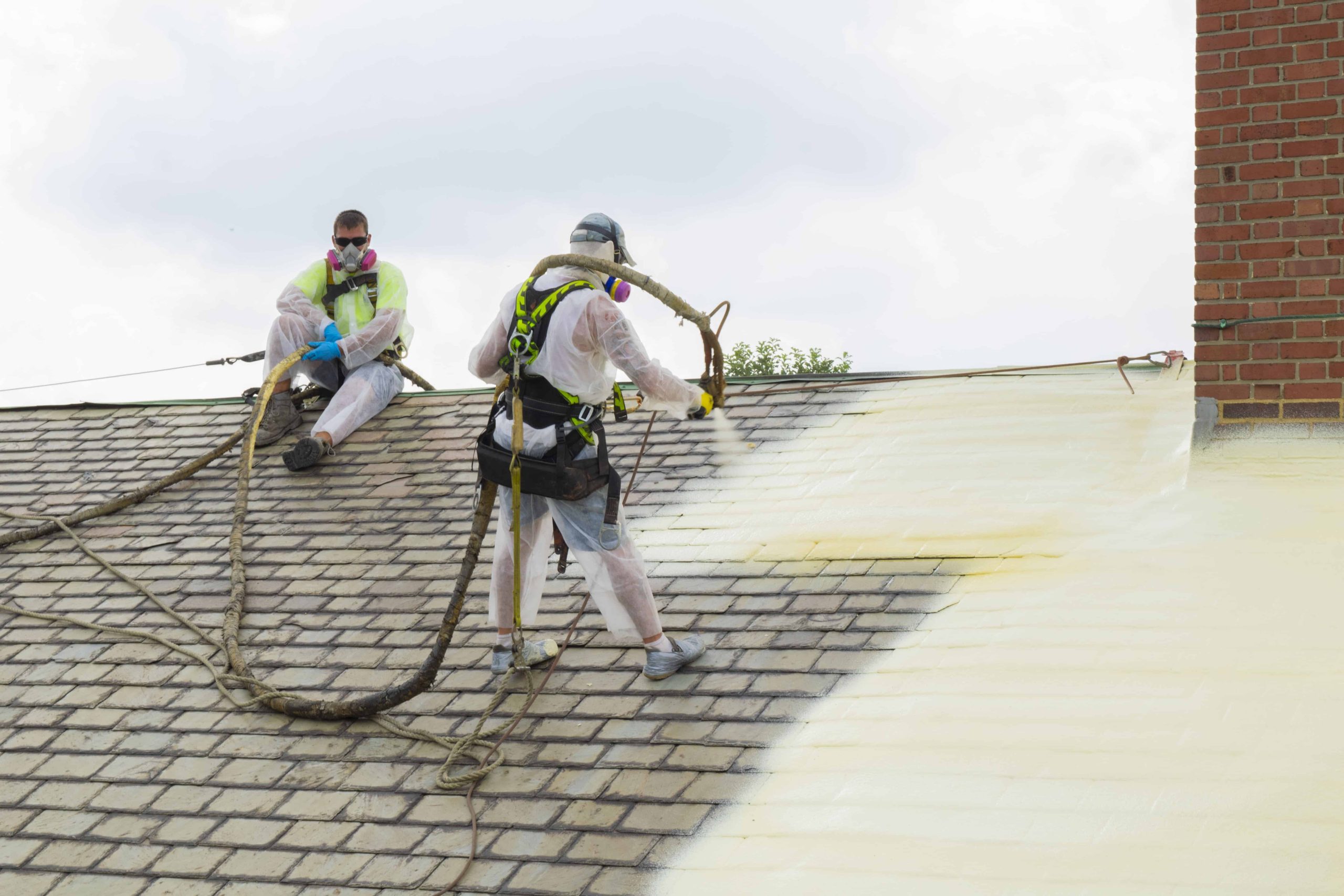
Spray foam insulation is often used as part of exterior or hybrid assemblies because it combines insulation and air sealing. This dual function helps protect structures more effectively than insulation alone.
The ENERGY STAR guidance on air sealing and insulation performance notes that uncontrolled air leakage carries heat and moisture into building cavities. Spray foam blocks these pathways, reducing stress on exterior walls and roof decks.
When used correctly, spray foam supports continuous insulation strategies. It also adds rigidity, which can improve resistance to wind pressure and vibration.
Air Sealing Is a Structural Issue
Air leaks are not just energy problems. Moving air brings moisture and pressure changes that strain building materials.
Spray foam helps by:
- Locking insulation in place
- Reducing pressure differences across walls
- Limiting moisture-laden airflow
These outcomes protect both energy performance and physical structure.
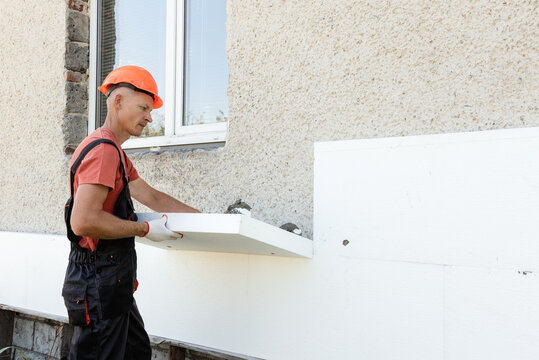
Spray Foam vs Traditional Exterior Insulation Materials
|
Factor |
Spray Foam |
Rigid Board Insulation |
|---|---|---|
|
Air Sealing |
Built-in air barrier |
Requires taped seams |
|
Moisture Control |
Limits vapor movement |
Depends on assembly |
|
Durability |
Adheres to surfaces |
Can shift over time |
|
Energy Efficiency |
High when installed correctly |
Moderate to high |
Environmental Impact and Long-Term Performance
Exterior insulation supports sustainability by lowering energy demand. Reduced heating and cooling loads cut power use and related emissions. Over decades, this impact adds up.
Spray foam systems often last the life of the structure when protected from UV exposure. This durability reduces replacement waste and resource use. Fewer tear-outs also mean less disruption to the building envelope.
Exterior insulation also supports resilience. Buildings with stable envelopes handle heat waves and cold snaps better. This reduces system strain and emergency repairs.
Trade-Offs to Understand
Exterior insulation requires proper detailing. Poor installation can trap moisture or create drainage issues.
Key considerations include:
- Correct vapor control design
- Proper flashing and water management
- Compatibility with cladding systems
When these factors are addressed, the benefits outweigh the risks.
Bonus Tips From the Field
- Always coordinate exterior insulation with window and door flashing
- Plan attachment points early to avoid compressing insulation
- Inspect seal continuity before cladding goes on
These steps prevent common failures seen years later.
Buildings retrofitted with exterior insulation consistently show lower temperature swings at framing surfaces. Documented projects using continuous insulation report reduced moisture readings in wall cavities and steadier indoor comfort. These outcomes tie directly to controlled heat flow and air movement, not thicker materials alone.
Conclusion
Exterior insulation delivers more than energy savings. It protects structural components from heat stress, moisture damage, and long-term wear. By controlling temperature and airflow at the outer envelope, buildings stay stronger and more efficient.
Material choice and installation quality matter. When systems are designed with moisture and durability in mind, exterior insulation supports long service life and lower environmental impact. Informed decisions lead to better outcomes for both performance and protection.
Supreme Spray Foam LV Supports Smarter Building Envelopes
Supreme Spray Foam LV works with exterior insulation systems that focus on durability and energy control. Their approach supports stable structures, lower energy use, and long-term performance without shortcuts.
For project guidance, contact (702) 904-9895 or email info@supremesprayfoamlv.com.
FAQs
What is exterior insulation used for?
Exterior insulation reduces heat transfer and protects framing from temperature and moisture stress. It improves energy efficiency and structural durability.
Is spray foam suitable for exterior insulation?
Yes, when used in approved assemblies. It provides insulation and air sealing, which supports moisture control and energy performance.
Does exterior insulation prevent moisture problems?
It helps by keeping interior materials warmer and drier. Proper detailing is required to manage water and vapor correctly.
How long does exterior spray foam insulation last?
When protected from sunlight and physical damage, it can last for decades, often matching the life of the structure.
Is exterior insulation worth the cost?
Over time, reduced energy use and fewer structural repairs often offset the upfront investment.
Reviewer: Michael Carter reviewed this article using insight gained over 12 years in the spray foam business. His feedback focused on helping contractors reach new customers without overcomplicating their message.





