

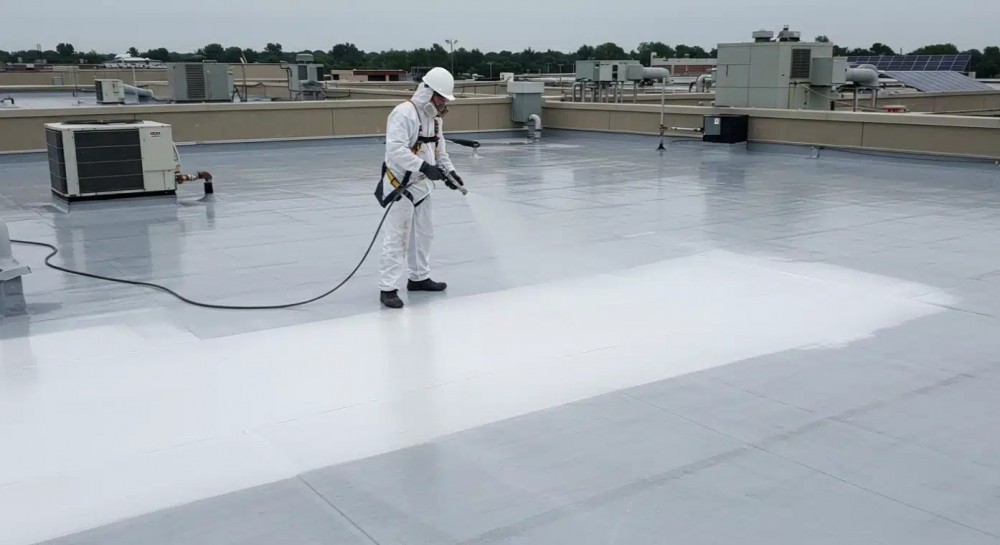
Roofing insulation provides seamless protection by preventing heat loss, blocking moisture migration, and sealing air leaks before they damage the roof system. When insulation works as a continuous layer, roofs last longer, and buildings stay more stable year-round.
Quick Answers That Matter Most
- Roofing insulation limits heat transfer through the roof deck
- Continuous insulation reduces moisture and condensation risks
- Proper systems protect roofing materials from early failure
Why Roofing Insulation Matters More Than Most People Think
Roofs take the hardest hit from sun, rain, and temperature swings. Without proper insulation, heat escapes in winter and builds up in summer. That stress shortens roof life.

According to guidance from the U.S. Department of Energy on roof insulation and air sealing, uncontrolled heat flow through the roof is a major source of energy loss in both homes and commercial buildings. Insulation creates a buffer that keeps indoor conditions stable.
When insulation is continuous, it removes weak spots where damage usually starts.

Gaps in Insulation = Leaks in Protection
Small breaks in insulation lead to big problems. Heat moves toward cold areas, which creates condensation inside roof assemblies. Over time, moisture weakens decking and fasteners.
How Seamless Insulation Protects the Roof
- Covers joints, fasteners, and penetrations
- Reduces thermal bridging through framing
- Keeps roof materials closer to indoor temperatures
Buildings with sealed roof insulation see fewer leaks because moisture has fewer places to form.

How Roofing Insulation Improves Energy Performance
Roof insulation slows heat flow, which lowers heating and cooling demand. HVAC systems cycle less often and operate more efficiently.
Data referenced by the U.S. Environmental Protection Agency on energy-efficient building envelopes shows that improving insulation and air sealing directly reduces energy use and operating costs. These savings repeat every year.
Lower surface temperatures on the roof also reduce stress on membranes and coatings.
Performance Benefits Over Time
- Reduced peak cooling loads in summer
- More consistent indoor temperatures
- Longer service life for roofing systems
Roofing Insulation Material Comparison
|
Feature |
Spray Foam |
Fiberglass |
Rigid Board |
|---|---|---|---|
|
Air Sealing |
Excellent |
Poor |
Moderate |
|
Moisture Resistance |
High |
Low |
Medium |
|
Long-Term Durability |
High |
Low |
Medium |
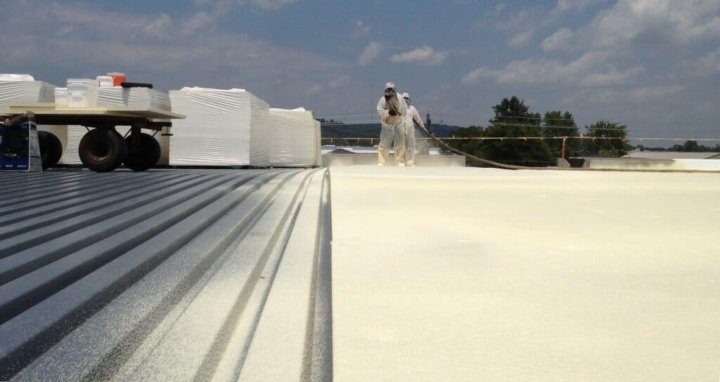
Spray foam stands out because it insulates and seals in one step.
Does Roofing Insulation Help Prevent Moisture Damage
Yes. Moisture damage often starts when warm, moist air meets cold roof surfaces. Insulation controls where that temperature change happens.
Research shared by the National Roofing Contractors Association on roof insulation performance explains that proper insulation placement helps manage condensation and protects roof assemblies. Keeping surfaces warmer reduces the chance of trapped moisture.
This protection is critical in wet or mixed climates.
Moisture Risks Reduced by Proper Insulation
- Condensation under roof decks
- Mold growth in roof cavities
- Rot and corrosion in structural components
Cost Versus Long-Term Value
Roofing insulation has an upfront cost. The payoff comes through lower energy bills, fewer repairs, and longer roof life.
Buildings with poor insulation often need roof repairs sooner. Temperature swings cause materials to expand and contract, leading to cracks and failures.
Experience-Based Optimization Tips
- Match insulation type to roof design
- Seal penetrations before applying insulation
- Verify thickness meets climate needs
Real-World Results From Insulated Roofs
Facilities with upgraded roof insulation report fewer leaks and steadier indoor comfort. Maintenance teams also see fewer emergency repairs after storms.
Choosing the Right Roofing Insulation System
Not every roof needs the same solution. Roof slope, usage, and climate all matter.
Professional installers evaluate airflow, moisture paths, and existing materials. This ensures insulation works with the roof, not against it.
Conclusion on Seamless Roof Protection
Roofing insulation creates seamless protection by controlling heat, air, and moisture together. When installed as a continuous layer, it reduces energy loss and protects roof systems from early failure.
Better insulation leads to longer-lasting roofs and lower operating costs. Material choice and proper installation make the difference.
Cascadia Spray Foam Insulation of Seattle Supports Durable Roof Systems
Roofing insulation works best when installed correctly. Cascadia Spray Foam Insulation of Seattle helps property owners and builders create sealed, high-performance roof systems that last.
They can be reached at (425) 386-3500 or info@cascadiasprayfoam.com.
FAQs
How does roofing insulation protect against leaks?
It reduces condensation and limits temperature stress on roofing materials.
Is spray foam good for flat roofs?
Yes. It seals gaps and resists moisture better than many alternatives.
Does roof insulation lower cooling costs?
Yes. It reduces heat gain and HVAC runtime.
Can insulation extend roof life?
Yes. Stable temperatures reduce material fatigue.
Is roofing insulation required by code?
Most codes require minimum insulation levels for energy efficiency.
Does old insulation need replacement?
If it is wet, compressed, or damaged, replacement is recommended.
Reviewer: Olivia Thompson has spent 10 years working in spray foam insulation, helping companies grow their visibility. She reviewed this article and provided valuable suggestions on how to better align the content with the needs and expectations of customers, ensuring it resonates with the target audience.
Sources
- U.S. Department of Energy – Insulation – Explains how roof insulation controls heat flow and energy loss.
- U.S. Environmental Protection Agency – Energy Efficiency in Buildings – Covers energy savings from improved insulation and air sealing.
- National Roofing Contractors Association – Roofing Manual – Provides guidance on roof insulation performance and moisture control.





