Starting a family is a beautiful dream—but what if that dream takes longer than expected? You try month after month, track cycles, make lifestyle changes, and still… nothing. That’s when many couples ask a big, emotional question: “Is it time to start IVF?”
If you’re reading this, chances are you’re standing at a crossroads. You don’t want to rush, but you also don’t want to wait too long. Think of fertility like catching a train—arrive too early and you’re anxious, arrive too late and you might miss it. IVF (In Vitro Fertilization) can be that train when natural options feel delayed or uncertain.
This guide will help you understand when the right time to start IVF treatment truly is, using simple language, honest facts, and practical guidance—just the way the general public needs it.

Learn when to start IVF treatment, signs you shouldn’t wait, age factors, and expert advice from top IVF doctors in Delhi
Understanding IVF in Simple Terms
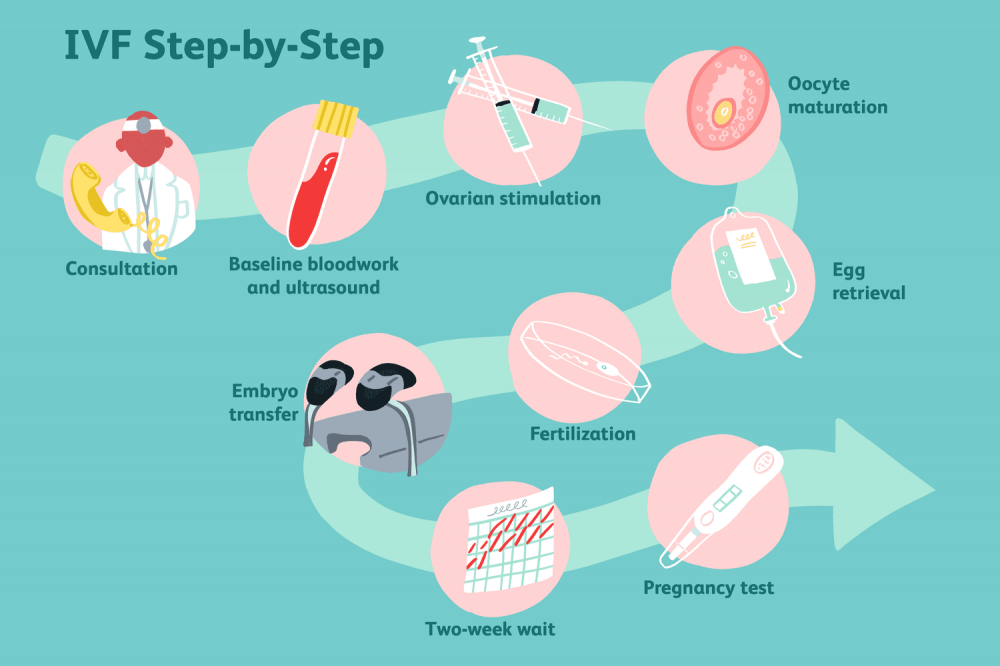
IVF is a fertility treatment where eggs and sperm are combined in a lab, and the healthiest embryo is placed into the uterus. It sounds technical, but the goal is simple-- to help you get pregnant when natural methods haven't worked.
Think of IVF like growing a plant in a greenhouse instead of outdoors. You're not changing nature-- you're just giving it better conditions to grow.

Why Timing Matters in IVF
Timing isn't just important-- it's everything. Fertility naturally declines with age, especially for women. Waiting too long can reduce success rates, while starting at the right time can save emotional stress, money, and precious years.
Starting IVF early doesn't mean giving up on natural conception-- it means being proactive, not reactive.
Age and Fertility: The Biggest Factor
Age plays the starring role in fertility decisions.
Under 30: Fertility is generally high
30-- 34: Slight decline begins
35-- 39: Faster decline in egg quality
40+: IVF success becomes more challenging
If fertility were a mobile phone battery, age determines how fast it drains. IVF works best when there's still a good "charge" left.
How Long Should You Try Naturally?
Doctors usually suggest:
Under 35: Try naturally for 12 months
35 and above: Try for 6 months
If pregnancy hasn't happened within this window, it's wise to consult fertility specialists. Many couples wait too long, hoping "next month" will be different-- sometimes it is, but often it isn't.
Signs You Should Consider IVF Now
You may be ready for IVF if:
You've tried for over a year without success
Your periods are irregular or absent
You've had multiple miscarriages
You've been diagnosed with blocked tubes or endometriosis
Sperm count or quality is low
If fertility feels like a locked door, IVF may be the key you need.
IVF for Women Over 35
For women over 35, time is more precious. Egg quality declines faster, and waiting can reduce IVF success.
Starting IVF earlier:
Improves chances of healthy embryos
Reduces miscarriage risk
May require fewer cycles
Many top IVF doctors in Delhi recommend early evaluation rather than waiting and regretting later.
Male Infertility and IVF Timing
Fertility isn't just a women's issue. Male factors contribute to nearly 40-- 50% of infertility cases.
IVF may be advised sooner if:
Sperm count is very low
Sperm movement is poor
There's a history of infections or surgeries
With advanced techniques like ICSI, IVF can overcome many male infertility challenges.
Medical Conditions That Demand Early IVF
Some conditions make IVF the first choice:
Blocked or damaged fallopian tubes
Severe endometriosis
PCOS not responding to treatment
Genetic disorders needing embryo testing
In such cases, waiting is like trying to fix a broken clock by watching it longer-- it won't work without intervention.
Emotional Readiness: Are You Prepared?
IVF is not just physical-- it's emotional.
Ask yourself:
Am I ready for ups and downs?
Do I have support from my partner?
Can I handle waiting and uncertainty?
Being emotionally prepared doesn't mean being fearless-- it means being honest with yourself.
Financial Planning and IVF Timing
IVF is an investment-- financially and emotionally.
Starting IVF at the right time:
May reduce the number of cycles needed
Can lower overall costs in the long run
Delaying too long may mean more cycles, more tests, and more expenses.
Lifestyle Factors That Affect the Decision
Your lifestyle matters more than you think:
Smoking and alcohol reduce IVF success
Obesity affects hormone balance
Stress impacts fertility hormones
If lifestyle changes haven't helped after months of effort, IVF may be the next logical step.
When Doctors Recommend IVF First
Doctors may suggest IVF immediately if:
Both tubes are blocked
Egg reserve is very low
There's a long history of infertility
This is where consulting top IVF doctors in Delhi early can make all the difference-- they know when waiting helps and when it hurts.
Why Consulting Early Makes a Difference
Early consultation doesn't mean immediate IVF-- it means clarity.
You'll learn:
Your fertility status
Available options
Whether IVF is needed now or later
Knowledge reduces fear. And informed decisions lead to better outcomes.
Choosing Among Top IVF Doctors in Delhi
Delhi offers some of India's most advanced fertility centers. When choosing a doctor:
Check experience and success rates
Look for transparent communication
Ensure emotional support is part of care
The right doctor doesn't just treat infertility-- they walk the journey with you.
Final Thoughts: Trusting the Right Moment
There's no universal "perfect time" for IVF-- but there is a right time for you. When natural methods haven't worked, age is advancing, or medical issues are present, IVF becomes not a last resort-- but a smart next step.
Listen to your body. Trust expert advice. And remember-- starting IVF isn't giving up. It's moving forward with hope.