

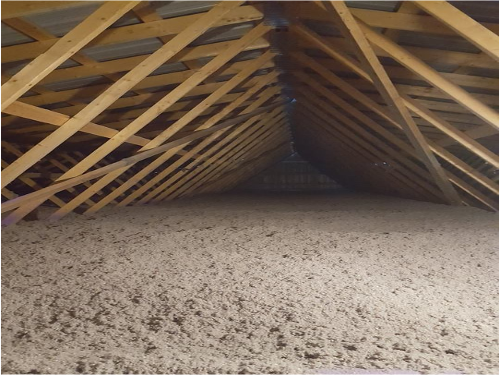
Blown-in cellulose insulation manages moisture better than most people expect when it is installed correctly. It slows air movement, controls condensation risk, and allows wall systems to dry instead of trapping water. That balance matters in older and newer homes alike.
Quick Answers That Matter Most
- Cellulose insulation limits moisture by stopping air leaks inside walls
- It absorbs and releases small amounts of moisture without failing
- Proper installation prevents mold risk and hidden wall damage
How Moisture Really Moves Through Walls
Moisture problems usually come from air movement, not bulk water leaks. Warm air carries moisture. When it slips through wall gaps and hits cold surfaces, condensation forms.

Blown-in cellulose insulation reduces this risk by tightening wall cavities and slowing airflow.
Why Air Leaks Cause Most Moisture Issues
Many walls fail because of:
- Gaps around wiring and plumbing
- Poorly insulated stud bays
- Temperature differences across exterior walls
According to moisture control guidance from the U.S. Department of Energy, controlling air leakage is one of the most effective ways to reduce condensation inside wall systems.
What Makes Cellulose Different From Other Insulation
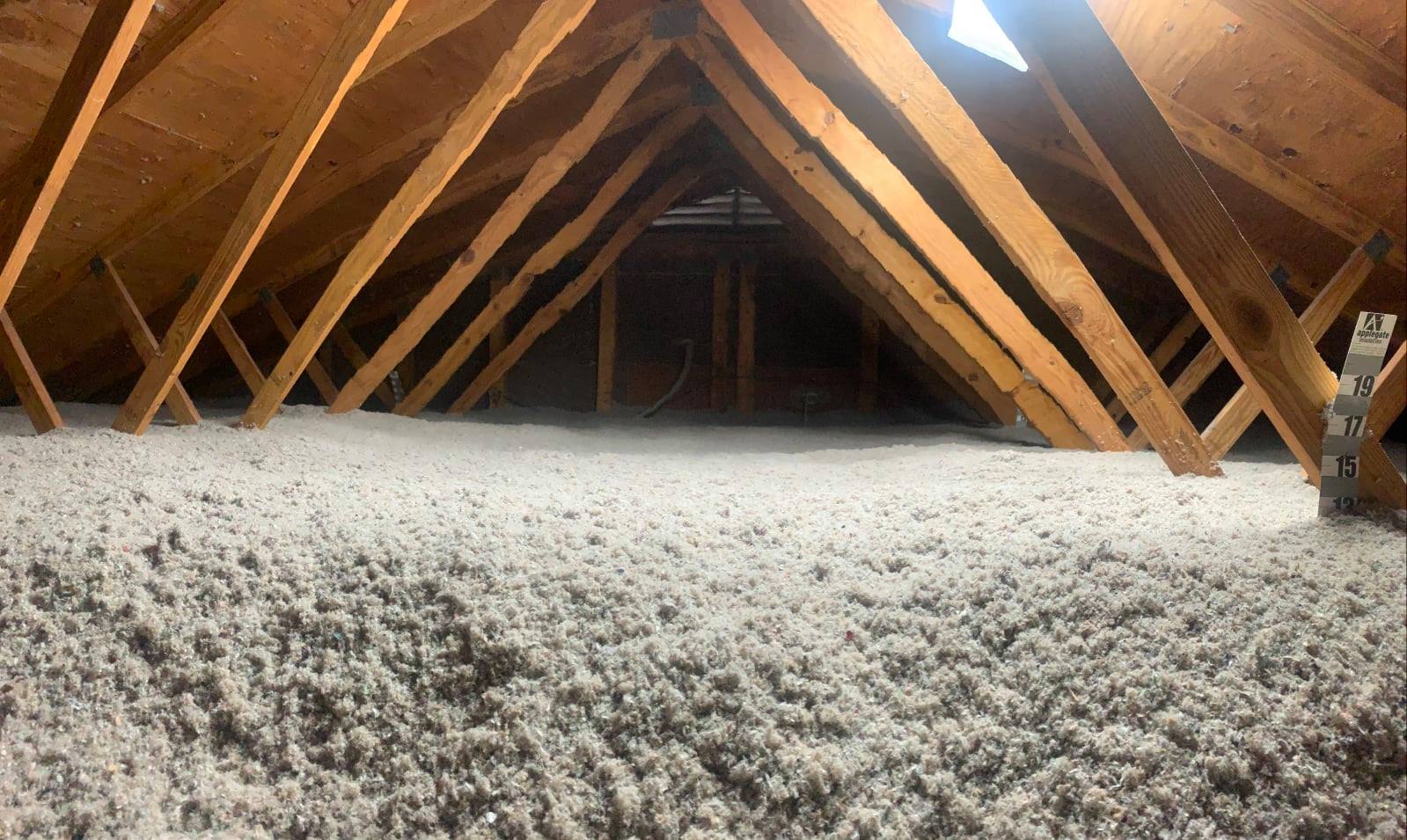
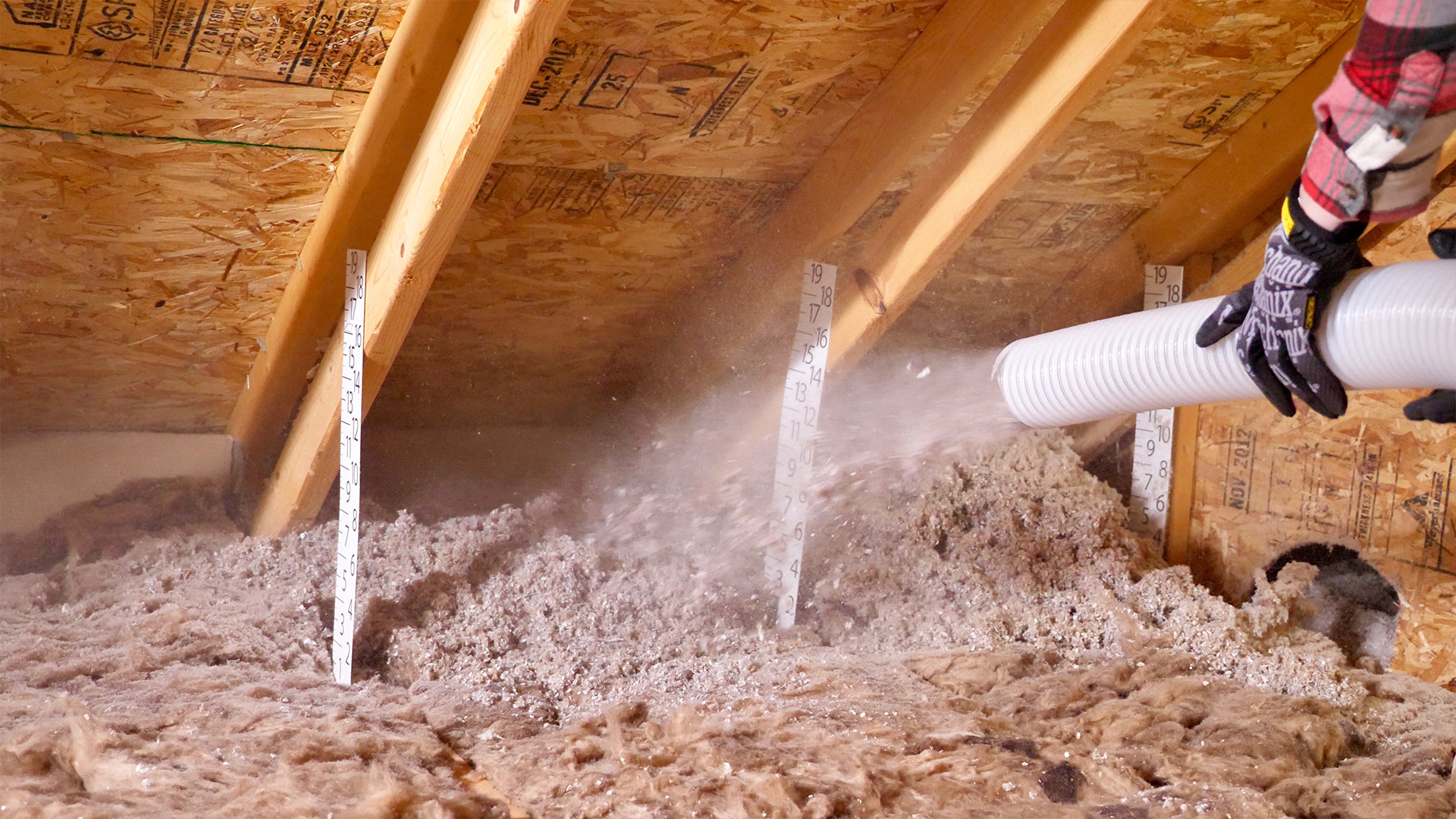
Cellulose insulation is made from recycled paper treated with fire and mold inhibitors. Its dense-pack form fills wall cavities more completely than loose fiberglass.
That density changes how moisture behaves.
How Cellulose Responds To Moisture
Cellulose can safely absorb and release small amounts of moisture. This is called hygroscopic behavior. Instead of trapping water against wood, it spreads moisture evenly and allows drying over time.
Research summarized by Building Science Corporation explains that materials able to redistribute moisture reduce the chance of rot and mold compared to materials that trap condensation in one spot.
Blown-In Cellulose vs Other Wall Insulation Types
Not all insulation handles moisture the same way. Some products resist water but allow air movement. Others block air but trap moisture.
Moisture Performance Comparison
|
Insulation Type |
Air Control |
Moisture Handling |
Risk Profile |
|---|---|---|---|
|
Blown-In Cellulose |
Strong |
Absorbs and dries |
Low when installed right |
|
Fiberglass Batts |
Weak |
Does not manage moisture |
Higher condensation risk |
|
Open-Cell Foam |
Strong |
Holds moisture longer |
Needs vapor control |
Cellulose strikes a middle ground by reducing airflow while allowing controlled drying.
Why Proper Density Matters In Wall Cavities
Cellulose must be installed at the correct density. Loose fills can settle and create air pockets. Overpacked walls can stress drywall.
Professional installers test density during installation to ensure long-term performance.
Experience-Based Optimization Insight
Walls insulated at the right density show fewer moisture stains and less seasonal movement. Dense-pack cellulose also limits cold wall surfaces that trigger condensation.
Cold Climate Performance And Seasonal Drying
In cold climates, interior moisture moves outward during winter. In summer, humid air can move inward. Walls need to manage both directions.
Cellulose works with vapor-open wall assemblies, allowing moisture to dry rather than trapping it behind impermeable layers.
Real-World Results
Homes retrofitted with dense-pack cellulose often report fewer winter window condensation issues and more stable indoor humidity after the first heating season.
Does Cellulose Insulation Cause Mold
Cellulose does not cause mold. Mold needs moisture, food, and time. Cellulose is treated to resist mold growth, but moisture control still matters.
According to indoor air quality guidance from the U.S. Environmental Protection Agency, mold problems are tied to uncontrolled moisture, not insulation material alone.
When air leaks and bulk water issues are addressed, cellulose performs safely.
Signs Moisture Problems Already Exist
Before insulating walls, professionals check for warning signs:
- Peeling paint or bubbling drywall
- Musty odors near exterior walls
- Past roof or siding leaks
Insulation should never cover active moisture problems.
Cost And Long-Term Value Considerations
Blown-in cellulose insulation is cost-effective because it installs without removing drywall. It improves energy performance while protecting wall systems.
Performance Value Breakdown
- Lower heating and cooling demand
- Reduced moisture-driven repairs
- Longer wall assembly lifespan
The value comes from prevention, not just insulation levels.
When To Call A Professional
Moisture behavior inside walls is complex. Professional insulation installers understand local climate, wall construction, and ventilation needs.
They also verify that insulation upgrades align with building codes and moisture management best practices.
Conclusion: Moisture Control Is About Balance
Blown-in cellulose insulation handles moisture by slowing air movement and supporting natural drying. It does not trap water when installed correctly. It protects walls while improving comfort and efficiency.
For property owners who want insulation that works with the building, not against it, cellulose remains a proven option.
Contact Lamothe Insulation Email: LamotheInsulation@gmail.com Phone: (508) 847-0119
Frequently Asked Questions
Can cellulose insulation get wet?
Yes, but it dries when moisture sources are controlled.
Does cellulose insulation rot?
No. It does not rot and is treated to resist mold.
Is cellulose safe inside walls?
Yes. It is widely used and code-approved.
Will cellulose insulation settle over time?
Properly dense-packed cellulose resists settling.
Does cellulose insulation need a vapor barrier?
It depends on the wall design and climate. Professionals assess this.
Can cellulose insulation fix existing moisture problems
No. Moisture sources must be corrected first.
Author: With over two decades of hands-on experience, Robert Lamothe, owner and lead installer of Lamothe Insulation, brings unparalleled expertise in spray foam insulation, carpentry, and building science. Since 2002, he has earned a reputation for precision, quality craftsmanship, and delivering energy-efficient solutions that stand the test of time. Lamothe Insulation is a family-owned and family-operated business, and Robert also owns the Goddard School of Auburn, an early childhood education school.
Reviewer: Ethan Taylor has 8 years of experience in spray foam insulation. He reviewed this content and suggested ways to simplify business outreach while maintaining trust and professionalism.
Sources
- U.S. Department of Energy – Moisture Control – Explains how air leakage and insulation affect moisture movement in walls.
- Building Science Corporation – Control of Moisture in Buildings – Research-based guidance on moisture behavior in building assemblies.
- U.S. Environmental Protection Agency – Mold and Moisture – Federal guidance on preventing mold through moisture management.





