
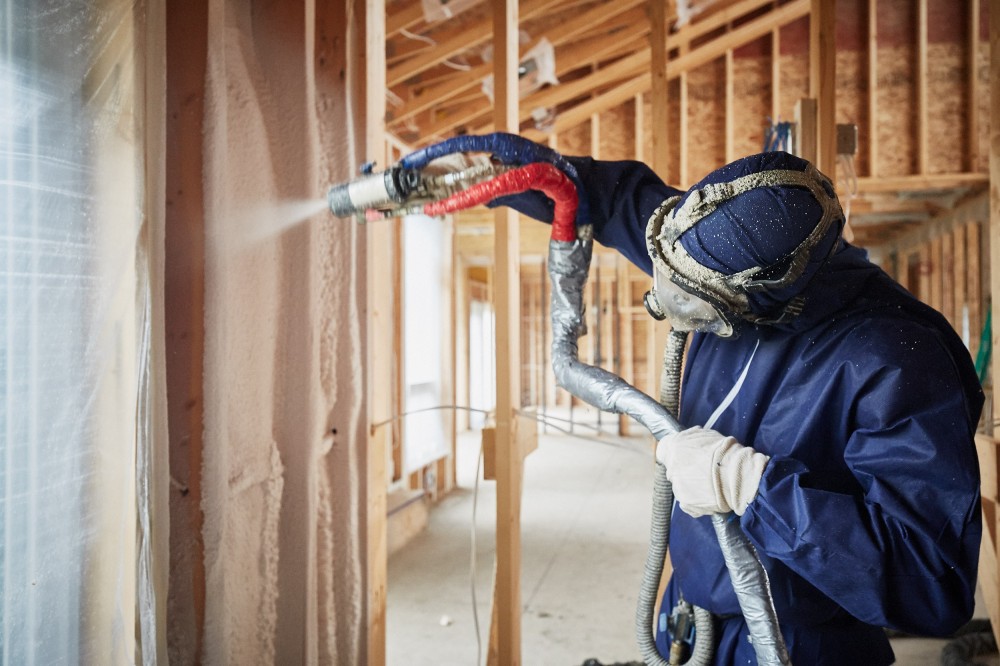
Spray foam insulation work improves comfort, air control, and moisture balance almost right away. Property owners often notice steadier indoor temperatures, fewer drafts, and reduced humidity within days of installation. These quick changes explain why spray foam work is viewed as one of the fastest upgrades for building performance.
This article explains the improvements that occur immediately after spray foam insulation work, why they occur, and the factors that influence results. The information reflects field practices used across residential and commercial buildings.
Immediate Comfort Changes Inside the Building
Indoor comfort is usually the first improvement noticed after spray foam insulation work. This happens because spray foam blocks uncontrolled air movement.

Buildings stop pulling in hot or humid outside air, which stabilizes indoor conditions. Rooms feel more even, and temperature swings become less noticeable.
Reduced Drafts and Air Leaks
Air leaks around walls, ceilings, and framing cause discomfort. Spray foam expands to seal these gaps.
How Air Sealing Works
Once applied, the foam hardens and forms a continuous barrier. This limits air paths that older insulation leaves open.
Faster Temperature Balance
Cooling systems no longer fight against outside air intrusion. Indoor spaces reach set temperatures faster.
Market data shows buildings with sealed envelopes can cut cooling cycle times by up to 15 percent during peak summer months.

Moisture Control Improvements After Installation
Moisture control improves quickly after spray foam work, especially in humid regions. Moist air can no longer move freely into wall cavities and crawl spaces.
This change helps protect building materials and improves indoor comfort.
Crawl Space Conditions Improve
Crawl spaces often trap damp air. Closed-cell spray foam blocks ground moisture and outside humidity.

This reduces musty odors and lowers moisture levels under the building.
Lower Indoor Humidity Levels
Once air leaks are closed, indoor humidity becomes easier to manage. HVAC systems operate more efficiently.
Health and Material Benefits
Lower moisture helps protect wood framing and reduces conditions that allow mold growth.
Energy Use Shifts Seen Right Away
Energy efficiency gains start as soon as air leakage drops. Spray foam combines insulation and air sealing in one step.
Cooling systems operate less frequently, reducing daily energy demand.
Comparison of Insulation Performance
|
Feature |
Spray Foam Insulation |
Fiberglass Insulation |
|---|---|---|
|
Air Leakage Control |
Strong |
Limited |
|
Moisture Resistance |
High |
Low |
|
Temperature Stability |
Consistent |
Uneven |
|
Short-Term Impact |
Immediate |
Gradual |
Regional utility data shows air leakage can account for up to 30 percent of cooling loss in warm climates. Spray foam targets that loss directly.
Indoor Air Quality Changes
Indoor air quality often improves after spray foam insulation work. Sealed buildings pull in less dust, pollen, and outdoor pollutants.
This benefit becomes noticeable soon after installation.
Reduced Outside Contaminants
Air leaks act as entry points for contaminants. Spray foam closes those paths.
This supports cleaner indoor air and steadier airflow through filtration systems.
Odor Reduction
Odors linked to damp crawl spaces or wall cavities often fade as moisture and air movement drop.
Things to Consider Before Making a Decision
Immediate improvements depend on several factors. Property owners should review these points before scheduling work.
- Areas selected for foam application
- Existing moisture problems in the structure
- Type of spray foam used
- Local climate and seasonal conditions
These factors shape how fast and how strongly improvements appear.
Bonus Tip
- Target attic rooflines first in hot climates to reduce heat gain quickly.
- Address crawl spaces early when moisture issues are present.
Installation Quality and Short-Term Results
The quality of installation affects immediate outcomes. Proper surface prep and correct foam depth matter.
Buildings installed correctly show faster comfort gains and steadier humidity control.
Why Experience Matters
Teams familiar with regional climate patterns adjust application methods to local conditions. That helps deliver faster results.
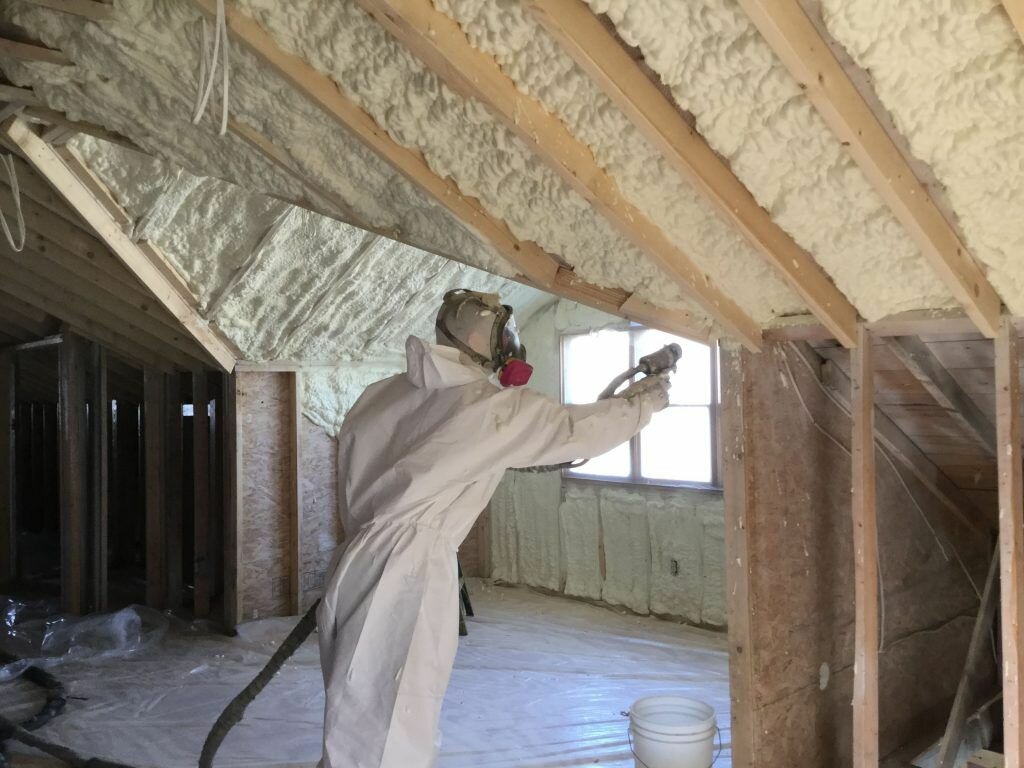
Market studies show that properly installed spray foam can reduce indoor temperature swings by up to 50 percent within the first week.
Key Improvements to Expect Quickly
Spray foam insulation work delivers fast changes that property owners can feel. Drafts drop, moisture control improves, and indoor comfort becomes more consistent. Energy use patterns often shift within the first billing cycle.
These early gains help confirm whether spray foam aligns with long-term building goals.
Helpful Next Steps for Property Owners
Property owners who want clear expectations often consult insulation providers with hands-on experience. Premier Insulation is commonly referenced for guidance on spray foam projects across residential and commercial spaces. They can be contacted at (229) 554-3939 or by email at premiereinsulationga@gmail.com for project-specific details and planning support.
Frequently Asked Questions
- How soon will I feel a difference after spray foam insulation is installed?
Most property owners notice changes within 24 to 48 hours. Drafts decrease quickly, rooms feel more even in temperature, and indoor comfort stabilizes as air leaks are sealed. - Why does spray foam improve comfort faster than other insulation types?
Spray foam seals air leaks and insulates at the same time. Traditional insulation slows heat transfer but often leaves gaps, while spray foam blocks uncontrolled air movement immediately. - Does spray foam lower indoor humidity right away?
Yes. By stopping humid outside air from entering the building envelope, spray foam helps HVAC systems manage moisture more effectively. Humidity levels typically stabilize within a few days. - Can spray foam reduce energy use immediately after installation?
In many cases, yes. Cooling systems cycle less often once air leakage drops, which can change daily energy use patterns almost immediately and show results within the first utility bill. - What areas of the building show the fastest improvement after spray foam work?
Attics, rooflines, and crawl spaces usually show the quickest results. These areas are major sources of heat gain, drafts, and moisture intrusion, so sealing them delivers rapid performance gains.
Reviewer
Jack Parker, a spray foam professional with 7 years of experience, reviewed this post and helped improve sections dealing with brand clarity and customer communication.





