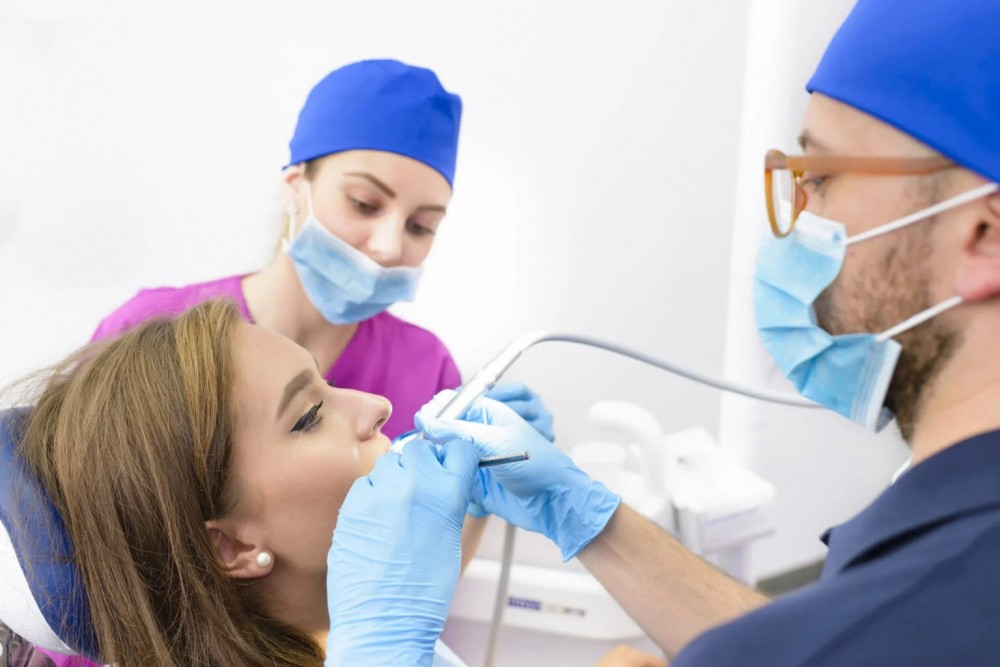
Dental health issues can sometimes develop silently, causing damage before noticeable symptoms appear. One such condition is Dental Internal Resorption, a rare but serious problem that affects the inner structure of a tooth. Understanding its causes, recognizing early warning signs, and knowing available treatment options can help preserve natural teeth and prevent complications. This guide provides a comprehensive overview designed to support informed dental decisions.
Understanding Dental Internal Resorption
Dental Internal Resorption occurs when the dentin inside a tooth begins to break down due to abnormal cellular activity. Unlike external resorption, which affects the outer surface, this condition starts from within the pulp chamber. It often progresses without pain, making early detection challenging. Over time, the tooth structure weakens, increasing the risk of fractures or tooth loss if left untreated.
This condition is typically discovered during routine dental X-rays rather than through symptoms alone. Because it advances internally, visual signs may not appear until significant damage has already occurred. Awareness of how Dental Internal Resorption develops is essential for timely intervention.

Common Causes of Dental Internal Resorption
Several factors can trigger Dental Internal Resorption, although in many cases, the exact cause remains unknown. Dental trauma is one of the most common contributors. A blow to the mouth, even years earlier, can damage pulp tissue and activate resorptive cells.
Chronic inflammation inside the tooth is another key factor. Untreated cavities, cracked teeth, or repeated dental procedures may irritate the pulp, leading to internal breakdown. Orthodontic treatment and excessive heat generated during dental restorations have also been associated with this condition in rare cases.
Early Signs and Symptoms to Watch For
In its early stages, Dental Internal Resorption often presents no noticeable symptoms. As the condition progresses, subtle changes may begin to appear. Some patients notice a pinkish discoloration on the tooth crown, caused by vascular tissue showing through thinning enamel.
Mild sensitivity to heat or cold may develop, although pain is not always present. This is why regular dental checkups and imaging play a crucial role. Following professional Dental Care Tips such as routine exams and timely evaluations—can help identify internal changes before they worsen.
How Dental Internal Resorption Is Diagnosed
Accurate diagnosis of Dental Internal Resorption relies on dental imaging. Standard X-rays are often the first step, revealing a symmetrical radiolucent area within the tooth. In more complex cases, cone-beam computed tomography (CBCT) may be used to assess the extent of internal damage.

Dentists also perform clinical examinations to rule out external resorption or decay. Early diagnosis significantly improves treatment success, as intervention before structural compromise can preserve the tooth.
Treatment Options for Dental Internal Resorption
The primary goal in treating Dental Internal Resorption is to stop the resorptive process and restore tooth integrity. Root canal therapy is the most common and effective treatment. By removing inflamed pulp tissue, the procedure eliminates the cells responsible for internal damage.
In advanced cases where the tooth structure is severely weakened, additional restorative treatments such as crowns may be necessary. If resorption has progressed too far, extraction may be the only viable option, though this is typically a last resort.
What Happens If Dental Internal Resorption Is Untreated
Leaving Dental Internal Resorption untreated can result in serious complications. As dentin continues to break down, the tooth becomes increasingly fragile. Eventually, the outer enamel may collapse, leading to infection, abscess formation, or tooth fracture.
Untreated cases often require more invasive procedures and may result in tooth loss. Early intervention not only saves the tooth but also reduces overall treatment costs and recovery time.
Preventive Measures and Long-Term Care
While Dental Internal Resorption cannot always be prevented, certain steps can reduce risk. Protecting teeth from trauma, addressing cavities promptly, and attending regular dental checkups are essential preventive strategies.
Patients with a history of dental injuries or extensive restorative work should be monitored closely. Long-term care following treatment includes maintaining good oral hygiene, avoiding excessive pressure on treated teeth, and scheduling follow-up imaging to ensure the condition does not recur.
Prognosis and Recovery After Treatment
The prognosis for Dental Internal Resorption largely depends on how early it is detected. When treated promptly, root canal therapy has a high success rate, allowing patients to retain their natural teeth for many years.
Post-treatment recovery is typically smooth, with minimal discomfort. Regular dental visits and monitoring ensure that the tooth remains stable and functional. With proper care, patients can expect positive long-term outcomes and restored oral health.
Final Thoughts
Dental Internal Resorption is a complex condition that often goes unnoticed until significant damage has occurred. Understanding its causes, recognizing subtle signs, and pursuing early diagnosis are critical steps in protecting your oral health. With modern diagnostic tools and effective treatment options, preserving affected teeth is increasingly achievable. Staying proactive and informed is the key to preventing complications and maintaining a healthy smile.