In these times of increasing electricity costs and environmental concerns, solar panels have emerged as a smart, sustainable energy solution for homes and businesses. However, an investment in the installation of a solar panel system requires a long-term perspective, and many decisions must be made without mistakes. Knowing key factors beforehand helps you maximize savings, ensures system efficiency, and evades common mistakes. This article provides an overview of the most important things to be considered before the installation of solar panels.
Understand Your Energy Needs
Before the solar panel installation, analysis of your present consumption of electricity is quite necessary. Go through your past 6–12 months of electricity bills to find your average monthly and annual energy usage, measured in kilowatt-hours. This data helps in selecting the right size of the system. An undersized system will not be able to fulfill your energy requirements, while an oversized system will unnecessarily increase your upfront cost.
An experienced solar consultant will analyze your consumption and advise you on a system that best balances performance and cost-effectiveness.

Assess Roof Condition and Available Space
It should be noted that your roof plays an essential role in solar panels. Some of the factors affecting solar panels include roof size, shape, angle, and strength. Ideally, your roof should have enough strength to hold solar panels for over 25 years.
Additionally, ensure that the roofs receive adequate sunlight during the day without any shades from trees, buildings, etc. It is apparent that south-facing roofs receive maximum sunlight in India, and thus they are ideal for solar panel installations.
Choose the Right Type of Solar Panel
There are various types of solar panels. Some of them include monocrystalline solar panels, polycrystalline solar panels, and bifacial solar panels. They all have their respective efficiency levels.
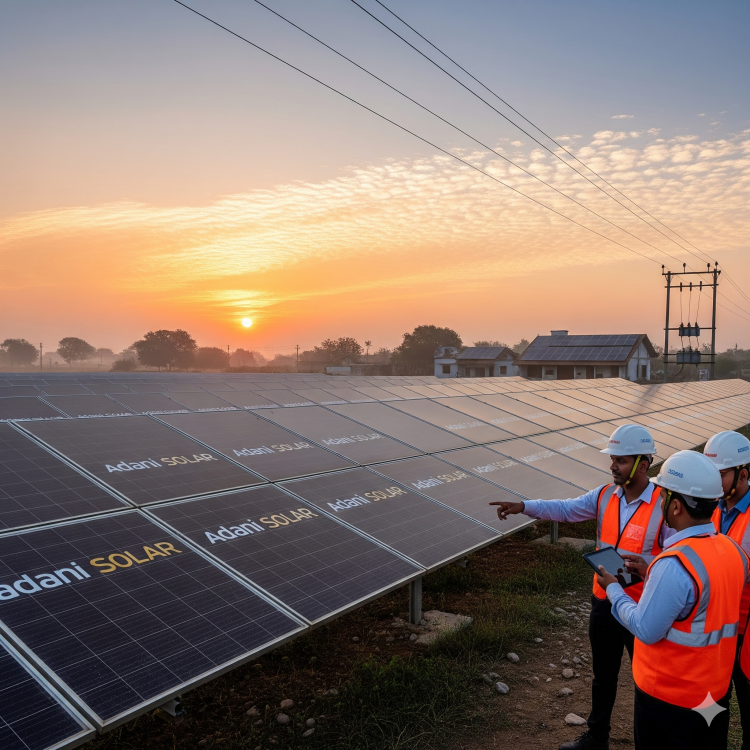
A majority of people in India are adopting and preferring Adani Solar Panel, as it has high efficiency and meets international quality requirements.
Panels that are efficient can cost more initially but can provide more electrical power in less space. Panels should be chosen from reputed companies that provide international-level quality products along with performance warranties.
Quality of Inverter and Other Components
Solar panels have the ability to convert direct current (DC) electricity into alternating current (AC), and this process requires an inverter, which is very important in this system.
Also, it is important to take note of other key components like mounting structures, cables, junction boxes, and safety components. Low-grade components might decrease the lifespan of the system as well as increase maintenance expenses. Always ensure that all components are certified and installed as per industry standards.
Installation Partner Experience and Expertise
Selecting a reliable and experienced solar installation company is one of the most critical decisions. A professional installer conducts a proper site survey, designs the system accurately, and ensures safe installation.
Check the company’s track record, certifications, customer reviews, and after-sales support. An authorized dealer or installer associated with well-known solar brands offers greater reliability and long-term service assurance.
Government Policies, Subsidies, and Net Metering
Solar policies and incentives vary by region and can significantly affect your overall investment. Government subsidies, tax benefits, and net metering policies can reduce installation costs and improve returns.
Net metering allows you to export excess electricity generated by your solar panels to the grid, earning credits that reduce your electricity bill. Understanding local regulations and approval processes beforehand helps avoid delays and unexpected expenses.
Cost, ROI, and Payback Period
Solar panel installation requires an initial investment, but it provides long-term financial incentives. Assess the total costs of the project, which include the cost of installations, approvals, and the cost of maintenance. Calculate the savings that will result from lower electricity costs and estimate the payback period of the project, which varies from 4 to 7 years.
A solar system can be a financially viable option as the free power generated will last long enough to pay back the initial investment.
Maintenance and System Lifespan
Solar panels normally need little upkeep. Periodic cleaning is indicated to ensure optimal efficiency. Dust, dirt, and bird droppings may impair the efficiency of the panel.
The lifespan of most of these systems is guaranteed through their performance warranty of 25 years or so, while in general, inverters are given a less-intensive guarantee period.
Safety and Compliance Standards
Safety should never be compromised during the installation of a solar system. Earthing, surge arrestors, and electrical safety measures must be taken care of properly.
It should always be kept in mind that the installation adheres to national and international electrical codes. Hiring a professional ensures that it does not compromise on safety and does not pose any risk of electrical hazards.
Conclusion
"At its base, a solar panel installation represents a way to become independent from non-renewable energy sources, to save money, and to live in a more eco-friendly way. But if solar panel installation and a solar panel system are to be successful, it starts with a well-informed approach."
A well-installed solar panel system not only helps in saving money on the electricity bill but can also increase the value of your property over the years.