
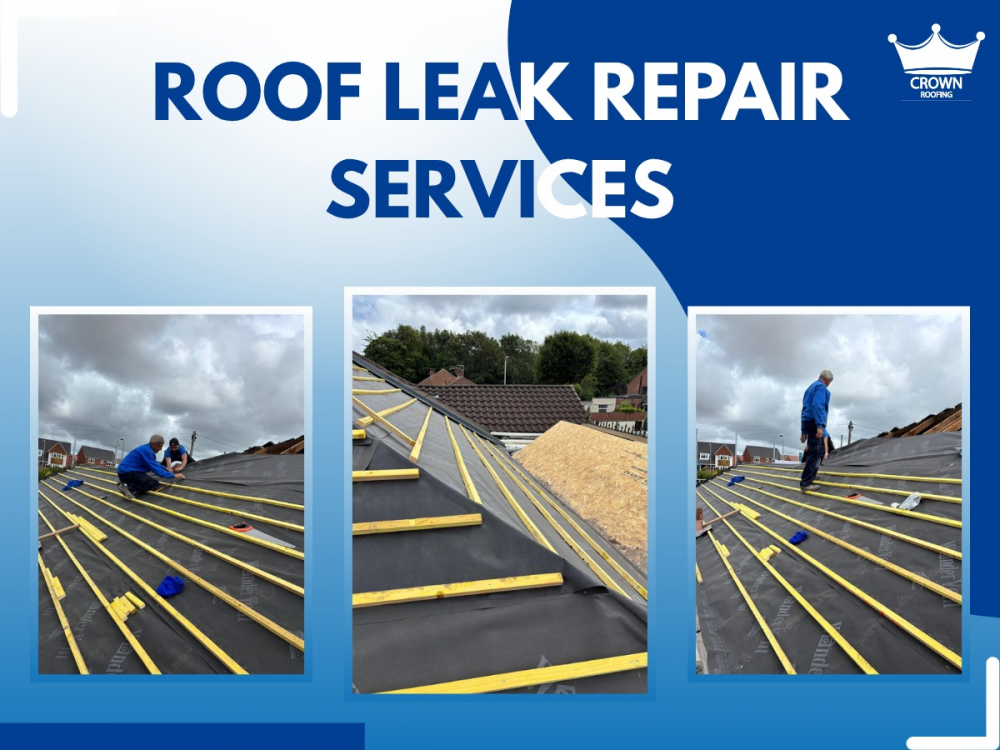
Roofing systems are often overlooked until visible damage appears, yet many structural issues begin long before leaks are noticeable. Everyday exposure to rain, wind, and temperature changes gradually weakens roofing components, especially in older or poorly maintained properties. Proactive roofing care focuses on identifying early signs of deterioration and addressing them before they affect the wider structure of a building.
Understanding how roofs age and where problems typically develop allows property owners to make informed maintenance decisions rather than reacting to costly repairs.
Common Areas Where Roofing Problems Begin
Roof damage rarely occurs evenly across the surface. Certain areas are naturally more vulnerable due to movement, water flow, and material fatigue.
These areas often include:
-
Ridge lines and mortar joints
-
Roof valleys where water concentrates
-
Chimney and wall junctions
-
Flashing around vents and skylights

-
Flat roof edges and drainage outlets
Over time, even small weaknesses in these areas can allow moisture to penetrate beneath the roof covering.
The Impact of Delayed Roofing Attention
Minor roofing defects do not always cause immediate leaks. However, moisture entering through small gaps can slowly affect roof timbers, insulation, and internal ceilings. This type of damage often remains hidden until internal symptoms such as staining, damp odours, or heat loss become noticeable.
Addressing issues early through routine checks and targeted repairs helps prevent wider structural involvement and keeps repair work contained.
Why Maintenance Is Often More Effective Than Major Repairs
Many roofing problems can be resolved without full replacement if they are identified early. Tasks such as replacing damaged tiles, securing ridge sections, repointing mortar, or repairing flashing are often enough to restore weather resistance.
Clear guidance on planning roof upkeep, understanding common repair needs, and managing long-term roof condition is available through residential roofing maintenance and repair guidance, which outlines practical considerations for ongoing roof care.
Drainage Management and Roof Longevity
Roof drainage plays a significant role in long-term roof performance. Blocked gutters, misaligned downpipes, and debris buildup prevent water from flowing away efficiently. This increases moisture exposure along roof edges and wall junctions, accelerating wear.
Keeping drainage systems clear reduces unnecessary water contact and supports the overall health of roofing materials and surrounding structures.
The Value of Localised Roofing Knowledge
Roofing challenges can vary based on regional weather patterns and construction styles. Properties in areas with frequent rainfall and wind experience different stress factors compared to drier regions. Local knowledge helps identify recurring issues and ensures repair methods are appropriate for the environment.
Area-specific roofing insights and service context can be found via Crown Roofing Solutions, which provides location-based information relevant to property care in Liverpool.
Conclusion
Roof deterioration is typically a gradual process influenced by weather exposure, drainage conditions, and material ageing. Proactive roofing care, including routine checks and early intervention, reduces the risk of structural damage and helps manage maintenance costs more effectively. Viewing roofing as an ongoing responsibility rather than a reactive task supports long-term property protection.





