

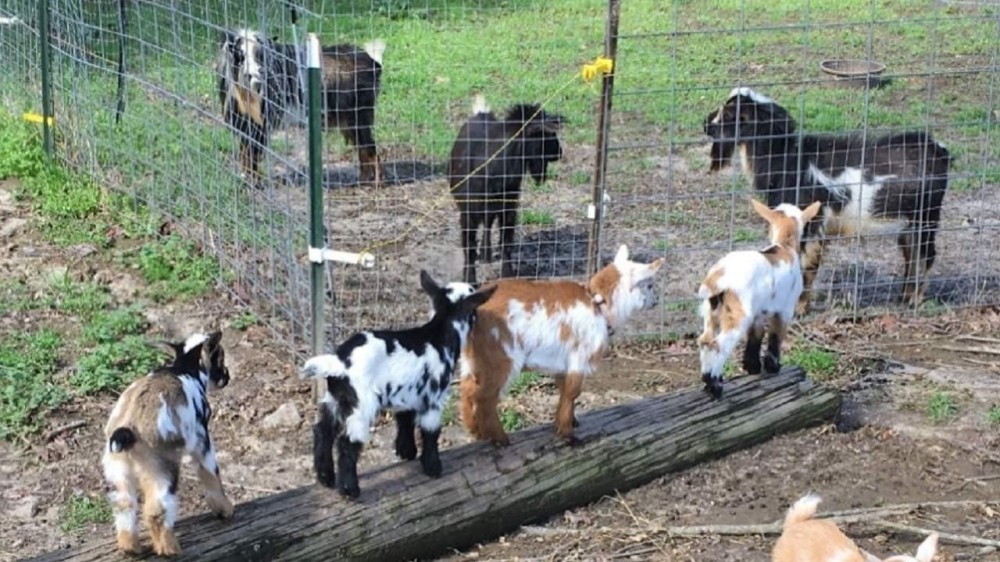
Raising goats for breeding has become a profitable and rewarding venture for farmers worldwide. Whether you are a seasoned farmer or a newcomer, understanding the best practices for breeding goats can help ensure healthy livestock, higher productivity, and long-term sustainability. This comprehensive guide will cover everything you need to know about selecting, managing, and caring for goats for breeding, along with some expert advice from Park Hills Animal Hospital.
Understanding the Importance of Goats for Breeding
Breeding goats is not just about expanding your herd; it is about improving genetics, increasing productivity, and maintaining the overall health of your farm. When selecting goats for breeding, farmers must consider traits such as disease resistance, growth rate, milk production, and temperament. Choosing the right breeding stock can significantly impact the quality of offspring, ensuring that your farm thrives for generations.
A well-planned breeding program also allows farmers to introduce desirable traits, such as higher milk yield or better meat quality, while minimizing the risks of hereditary health issues. For this reason, many farmers consult veterinary professionals or breeding specialists to design an effective breeding strategy.

Selecting the Right Breed
One of the first steps in breeding goats is selecting the appropriate breed for your farm. Each breed comes with specific characteristics that make them suitable for different purposes. For instance:
-
Dairy Breeds: Saanen, Toggenburg, and Alpine goats are excellent for milk production.
-
Meat Breeds: Boer and Kiko goats are preferred for high-quality meat.
-
Dual-Purpose Breeds: Nubian goats provide both milk and meat.
When selecting goats for breeding, prioritize traits like fertility, disease resistance, and growth potential. A careful selection process ensures that your herd remains healthy and productive over time.

Health Considerations and Veterinary Support
Maintaining the health of your goats is essential for successful breeding. Regular veterinary check-ups, proper nutrition, and vaccination schedules play a vital role in the reproductive success of your herd. For example, a consultation with Park Hills Animal Hospital can help farmers develop a health management plan tailored specifically for their breeding stock.
Key health considerations include:
-
Vaccinations: Prevent diseases like tetanus and enterotoxemia.
-
Parasite Control: Regular deworming prevents internal parasites that affect fertility.
-
Nutrition: Balanced diets ensure proper growth, reproduction, and lactation.
Investing in preventative care can save farmers significant costs in the long run and ensure a higher rate of successful pregnancies among your goats for breeding.
Breeding Techniques: Natural vs. Artificial
Farmers have two primary methods to breed goats: natural mating and artificial insemination (AI).
-
Natural Mating: The most traditional approach, where bucks mate directly with does. This method is simple but may not allow for precise genetic selection.
-
Artificial Insemination: AI enables farmers to choose superior genetic traits, improving the overall quality of the herd. Although AI requires veterinary expertise and equipment, it allows access to high-quality genetics without transporting animals.
Choosing the right breeding method depends on your farm’s goals, resources, and the genetic traits you want to enhance. Regardless of the method, monitoring the health and reproductive cycles of your goats is essential for success.
Managing Breeding Cycles
Understanding the reproductive cycle of goats is critical for effective breeding. Female goats, or does, have estrous cycles typically lasting 18 to 24 days, with the most fertile period being the heat phase. Monitoring these cycles allows farmers to optimize breeding timing, increasing the chances of conception.
Tips for managing breeding cycles:
-
Keep accurate records of mating and pregnancy dates.
-
Observe behavioral changes in does during estrus.
-
Use hormonal treatments only under veterinary guidance.
Proper management ensures that your goats for breeding maintain high fertility rates and produce healthy offspring.
Nutrition and Care During Pregnancy
Pregnant does require special care and nutrition to support fetal development and ensure a smooth delivery. Nutritional needs increase during the last trimester, and providing adequate protein, vitamins, and minerals is essential.
Key nutritional guidelines include:
-
High-quality forage such as alfalfa or clover.
-
Balanced grains to support energy requirements.
-
Access to clean water and mineral supplements.
Regular veterinary check-ups, like those available at Park Hills Animal Hospital, can help monitor the health of pregnant does, detect complications early, and provide guidance on birthing assistance if needed.
Caring for Kids After Birth
Once the kids are born, proper care and management are crucial to ensure survival and healthy growth. Immediate post-birth care includes:
-
Ensuring the kid receives colostrum within the first few hours.
-
Providing a clean and warm environment.
-
Monitoring for signs of illness or weakness.
Nutrition and preventive care, including vaccinations and deworming, should continue through the early months. A well-cared-for kid is more likely to become a productive member of your goats for breeding program, contributing positively to your herd’s future.
Record Keeping and Genetic Improvement
Maintaining detailed records of your breeding program is essential for long-term success. Record keeping helps track:
-
Breeding dates and outcomes
-
Health and vaccination history
-
Growth rates and production traits
Using these records, farmers can make informed decisions to improve herd genetics over time. Selecting superior offspring for future breeding ensures continuous improvement in traits such as milk yield, growth rate, and disease resistance, making your goats for breeding program more sustainable and profitable.
Conclusion
Investing in goats for breeding requires careful planning, attention to detail, and commitment to animal welfare. By selecting the right breeds, maintaining proper health, and following best breeding practices, farmers can build a productive and genetically superior herd. Partnering with veterinary experts like Park Hills Animal Hospital provides the guidance and support necessary for a thriving breeding program.
With consistent care, proper nutrition, and strategic breeding, your farm can maximize the benefits of goat farming, ensuring healthy livestock and long-term success.





