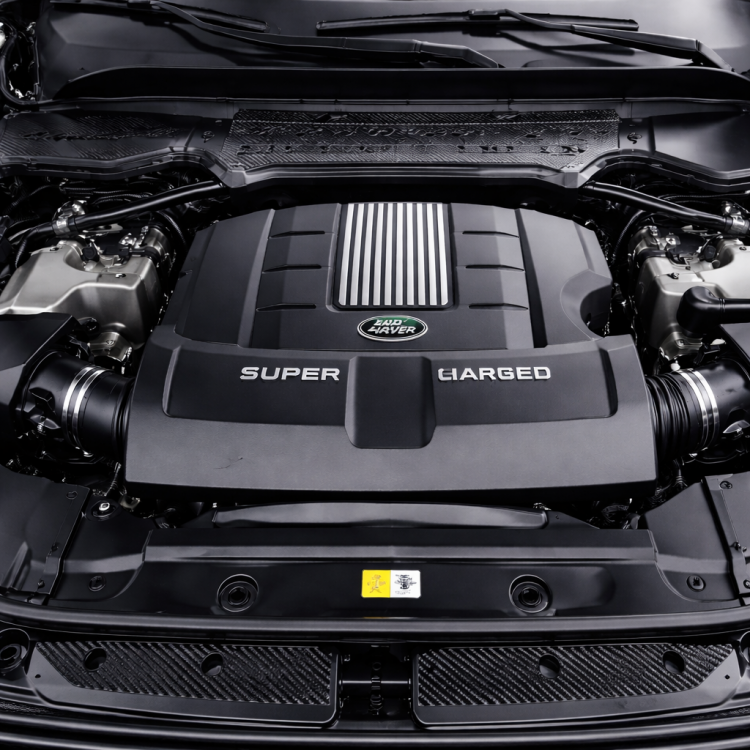
Installing a rebuilt engine in a Range Rover is a smart investment. It restores performance, extends vehicle life, and costs far less than buying a brand-new engine or vehicle. However, the real success of a range rover rebuilt engine doesn’t depend only on installation it depends on how well you maintain it afterward.
Many owners assume that once the engine is rebuilt and fitted, they can drive normally right away. In reality, the first few months are critical. Proper post-installation care ensures longevity, smooth performance, and protection of your investment.
This guide walks you through essential maintenance tips every Range Rover owner should follow after installing a rebuilt engine written practically, not mechanically.

1. Understand the Break-In Period (Most Important Step)
A rebuilt engine is not the same as a used engine. Internal components such as piston rings, bearings, and seals need time to settle and work together efficiently.
What the break-in period means:
-
Usually the first 500–1,000 miles
-
Controlled driving conditions
-
Avoiding extreme stress on the engine
Best practices:
-
Avoid hard acceleration

-
Keep RPMs moderate
-
Don’t tow heavy loads
-
Vary driving speeds instead of constant cruising
Ignoring this phase can reduce engine lifespan—even if the rebuild quality is excellent.
2. Change Engine Oil Earlier Than Normal
Freshly rebuilt engines generate microscopic metal particles during initial use. These particles must be flushed out early.
Recommended oil change schedule:
-
First oil change: after 500–800 miles
-
Second oil change: at 2,000–3,000 miles
-
After that: follow standard service intervals
Use the oil grade recommended for your specific Range Rover model, whether diesel or petrol.
💡 Tip: Avoid fully synthetic oil during the initial break-in unless advised by the rebuilder.
3. Monitor Coolant System Closely
Range Rover engines are sensitive to overheating. A rebuilt engine is even more vulnerable if cooling issues go unnoticed.
What to check weekly:
-
Coolant level
-
Signs of leaks
-
Radiator fan operation
-
Hose pressure and condition
Overheating can damage a rebuilt engine faster than almost anything else.
If your Range Rover has a history of cooling issues, consider replacing:
-
Thermostat
-
Radiator
-
Water pump
Preventive cooling maintenance saves thousands later.
4. Keep an Eye on Engine Warning Lights
After installing a rebuilt engine, modern Range Rovers may show warning lights due to sensor calibration or system adaptation.
Never ignore:
-
Check engine light
-
Oil pressure warnings
-
Temperature alerts
Have a diagnostic scan performed within the first few weeks. Small electronic issues, if left untreated, can lead to mechanical stress.
5. Drive Gently—But Don’t Baby the Engine
There’s a common myth that rebuilt engines should be driven extremely slowly. That’s not entirely true.
The right balance:
-
Drive smoothly
-
Allow full warm-up before acceleration
-
Avoid redlining
-
Avoid prolonged idling
Short, gentle drives with varied RPMs help engine components seat properly.
6. Use High-Quality Fuel Only
Fuel quality directly affects combustion efficiency, injector health, and long-term engine reliability.
Fuel tips:
-
Use manufacturer-recommended fuel grade
-
Avoid low-quality or contaminated fuel stations
-
Use fuel additives only if approved
This is especially important for turbocharged and diesel Range Rover engines.
7. Inspect Belts, Hoses, and Mounts
During installation, old components may be reused if they appear functional—but they still age.
Inspect within first 1,000 miles:
-
Drive belts
-
Vacuum hoses
-
Engine mounts
A failed hose or loose mount can cause vibrations or overheating that affect the rebuilt engine indirectly.
8. Watch for Oil or Fluid Leaks
Minor seepage during early use is not uncommon—but it should never be ignored.
Areas to inspect:
-
Oil pan
-
Valve cover
-
Turbo oil lines
-
Coolant connections
Even small leaks can escalate quickly and compromise engine performance.
9. Follow the Rebuilder’s Warranty Conditions
Most reputable suppliers provide limited warranties on a rebuilt Range Rover engine—but only if maintenance rules are followed.
Common warranty requirements:
-
Documented oil changes
-
Professional installation proof
-
No engine modifications
-
Proper break-in procedure
Skipping service steps can void coverage, even if the fault is unrelated.
10. Schedule a Post-Installation Inspection
After 1,000–1,500 miles, book a professional inspection.
What mechanics usually check:
-
Compression consistency
-
Sensor calibration
-
Engine timing
-
Fluid condition
This step often catches small issues early—before they become expensive problems.
11. Don’t Delay Software Updates (Modern Range Rovers)
Newer Range Rover models rely heavily on ECU software.
After engine installation:
-
Reset adaptive values
-
Update engine software if needed
-
Relearn throttle and transmission behavior
This ensures the rebuilt engine communicates properly with the vehicle’s electronics.
12. Maintain Service Discipline Long-Term
Once the break-in phase is complete, treat your rebuilt engine like a premium asset.
Best long-term habits:
-
Timely oil changes
-
Regular diagnostics
-
Immediate response to unusual sounds
-
Consistent service intervals
With proper care, a quality rebuilt engine can easily deliver 100,000+ miles of reliable performance.
Final Thoughts
A range rover rebuilt engine can restore your vehicle’s power, reliability, and driving comfort—but only if you maintain it correctly after installation.
The difference between an engine that lasts three years and one that lasts ten often comes down to:
-
Early care
-
Smart driving habits
-
Preventive maintenance
Treat the rebuilt engine as a fresh start, not a shortcut—and your Range Rover will reward you with years of confident performance.