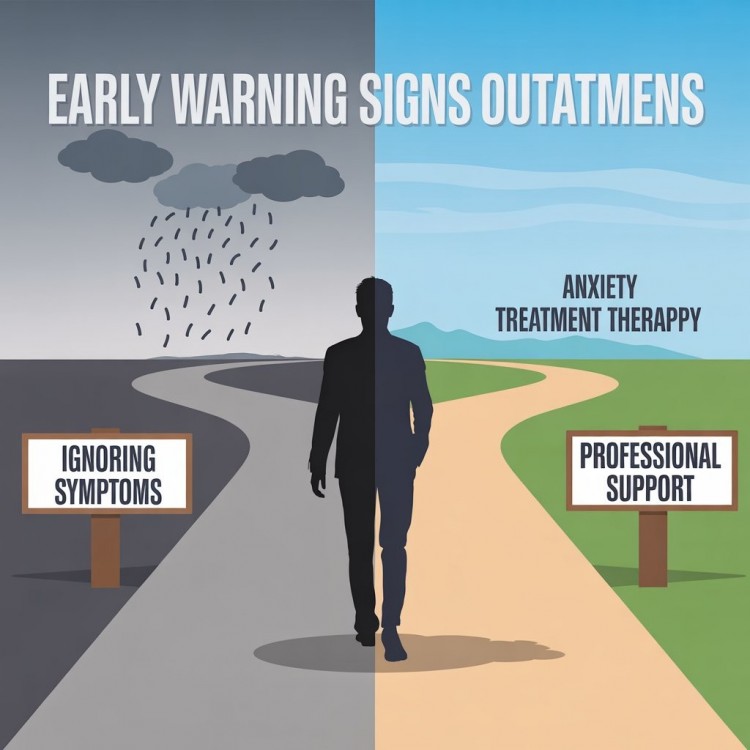
Anxiety often begins quietly. It may manifest as constant worry, restlessness, or difficulty relaxing, and over time, it becomes part of daily life. Many people delay seeking help because anxiety feels manageable at first, or they assume it will fade on its own. Fear of being judged, uncertainty about therapy, or simply normalizing stress can also prevent action. However, ignoring symptoms does not always lead to relief. Anxiety Treatment Therapy offers a proactive approach compared to letting anxiety continue unchecked. This article compares the outcomes, risks, and long-term effects of seeking help versus ignoring anxiety symptoms, helping readers make an informed choice about their emotional well-being.
Key Takeaways
- Anxiety symptoms often worsen when ignored
- Early anxiety symptoms treatment improves emotional control
- Therapy addresses root causes, not just surface stress
- Ignoring anxiety increases long-term emotional and physical strain
- Professional support improves recovery consistency
Understanding Anxiety and Its Early Warning Signs
Anxiety is a natural stress response, but it becomes a concern when it interferes with daily life. Early signs often feel mild and easy to dismiss, such as overthinking, muscle tension, restlessness, irritability, or trouble sleeping. Many people continue functioning normally while carrying ongoing emotional pressure. At this stage, symptoms may appear manageable, which is why they are often ignored. However, when anxiety symptoms are left unaddressed, they tend to build over time. Ignoring anxiety symptoms delays recovery and allows unhealthy emotional patterns to become more ingrained, making future anxiety symptoms treatment more difficult.
What Happens If Anxiety Is Ignored?
When anxiety is ignored, symptoms often do not disappear on their own. What may begin as occasional worry or restlessness can slowly grow into constant emotional tension. Over time, untreated anxiety can affect focus, sleep, relationships, and overall emotional stability. Many people continue functioning on the surface while internally feeling overwhelmed, which makes anxiety harder to recognize and address later.

Common consequences of ignoring anxiety include:
- Increasing intensity and frequency of anxious thoughts
- Emotional exhaustion and constant mental pressure
- Difficulty concentrating at work or home
- Avoidance of situations that trigger discomfort
- Reduced confidence in handling daily challenges
Benefits of Therapy for Anxiety Disorders
Seeking support early can help prevent anxiety from becoming overwhelming. Therapy focuses on understanding emotional patterns and developing healthier responses to stress. Instead of pushing symptoms aside, individuals learn how to manage them more effectively. The Benefits of Therapy for Anxiety Disorders often extend beyond symptom relief and support long-term emotional balance.
Key benefits include:
- Improved emotional awareness and self-understanding
- Reduced physical stress responses, such as tension or fatigue
- Better coping with emotional and situational triggers
- Healthier thought patterns and emotional reactions
- Greater long-term emotional stability
Anxiety Treatment Therapy vs Ignoring Symptoms: Difference
Comparing support with avoidance highlights how different the outcomes can be over time.
|
Anxiety Treatment Therapy 
|
Ignoring Symptoms
|
| Addresses root emotional causes | Symptoms remain unresolved |
| Provides coping strategies | Relies on avoidance |
| Reduces long-term stress | Stress accumulates |
| Improves daily functioning | Daily life becomes harder |
| Supports emotional balance | Emotional strain increases |
Choosing Anxiety Treatment Therapy early can help reduce the risks associated with untreated anxiety and support healthier emotional functioning.
Risks of Not Treating Anxiety
Choosing not to address anxiety can create long-term emotional and behavioral challenges. Anxiety that remains untreated often becomes deeply rooted, influencing how a person reacts to stress, communicates with others, and manages responsibilities. Over time, this can limit personal growth and emotional balance.
Potential risks of leaving anxiety untreated include:
- Ongoing emotional strain and burnout
- Strained relationships due to irritability or withdrawal
- Physical symptoms such as tension, fatigue, or sleep issues
- Lower resilience during stressful situations
- Increased difficulty seeking help later
When Should Someone Consider Therapy for Anxiety?
Therapy may be helpful when anxiety begins interfering with everyday life. If worry feels constant, emotional tension does not ease, or stress becomes difficult to manage alone, support may be beneficial. Avoidant behaviors, such as withdrawing from social situations or responsibilities, can also signal the need for help. Persistent anxiety often does not resolve without guidance. Recognizing these signs early allows individuals to seek support before symptoms become more disruptive or deeply ingrained.
Frequently Asked Questions (FAQs)
Can ignoring anxiety make it worse?
Yes. Anxiety often increases gradually when left unaddressed. What starts as mild worry can develop into persistent emotional strain over time.
What are common anxiety treatment options?
Support may include therapy, lifestyle adjustments, stress-management techniques, and coping strategies focused on emotional regulation.
Is therapy only for severe anxiety?
No. Early support can be helpful even when symptoms feel mild, preventing anxiety from becoming more difficult to manage later.
Conclusion
Comparing therapy with avoidance shows a clear difference between early support and long-term strain. Ignoring anxiety may feel easier at first, but it often leads to deeper emotional challenges over time. Therapy is not only for moments of crisis; it is a proactive form of care that supports emotional clarity and balance. Choosing Anxiety Treatment Therapy early can help individuals manage stress more effectively and maintain healthier emotional well-being. Seeking support is a thoughtful step toward long-term stability, not a sign of weakness.
For more details, visit Dr. JoAnne Barge