
Watching a loved one struggle with dementia is one of the hardest things a family can go through. It starts with small forgotten things, like losing keys or forgetting a name. But over time, it changes everything. It changes how they act, how they think, and how they live.
If you are caring for someone with dementia, you might feel tired, scared, or overwhelmed. You are not alone. Caring for someone with memory loss is a full-time job that requires patience, skill, and a lot of heart. This is where a Complete Dementia Support Service comes in.
This article explains what these services are and how they provide long-term care, safety monitoring, and the emotional support that both the patient and the family need.

What is Complete Dementia Support?
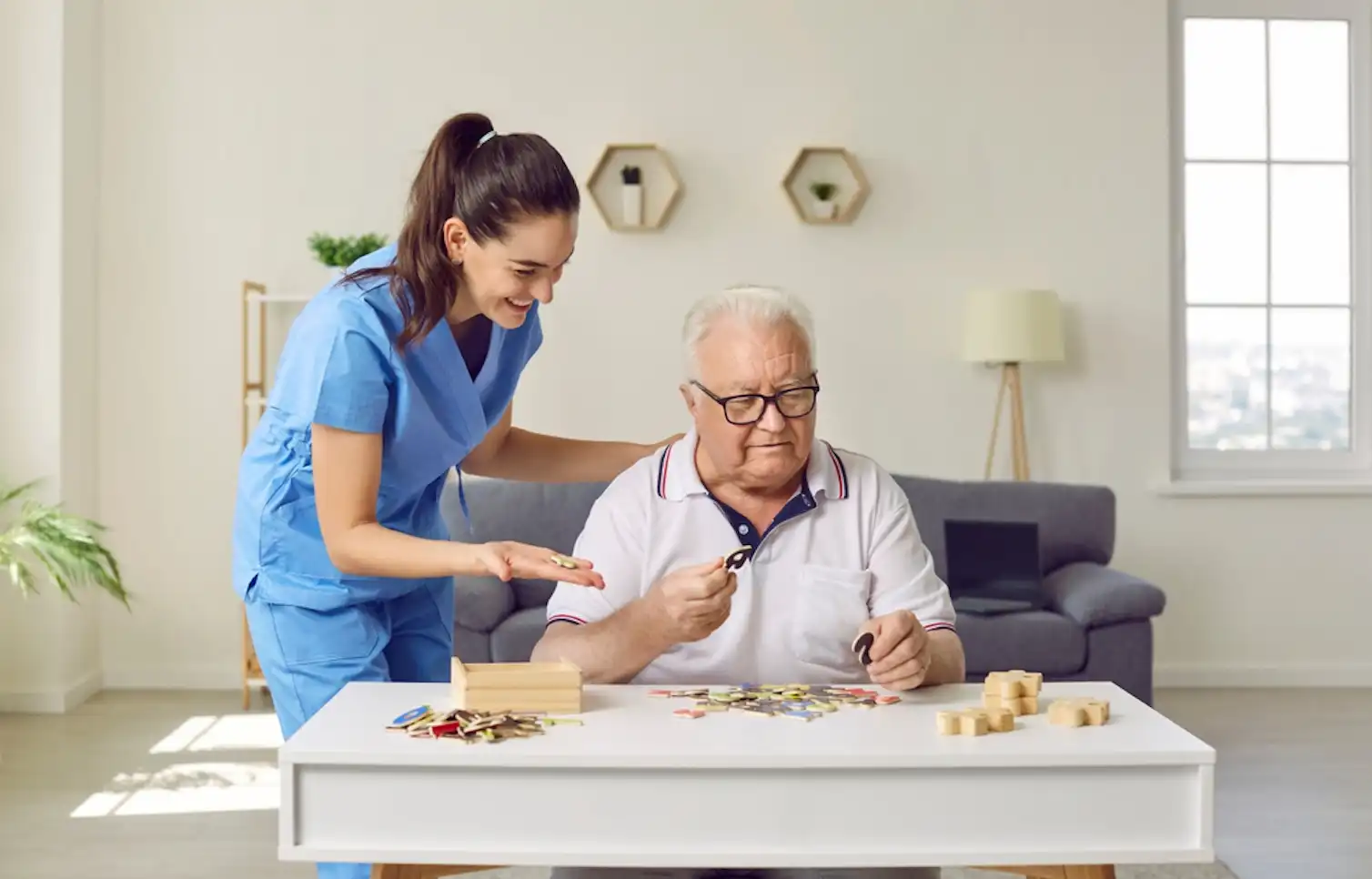
Dementia care is not just about making sure someone eats lunch or takes their medicine. It is about keeping them safe, happy, and comfortable. A "complete" support service looks at the whole picture.
Moving Beyond Basic Care
Many people think caregiving is just "watching" someone. But for a person with dementia, simple tasks become very hard. They might forget how to dress, how to brush their teeth, or even how to use a fork. A complete support service steps in to help with these daily tasks in a way that allows the person to keep their dignity. It is not just about doing things for them; it is about helping them live as well as they can.
A Plan Made Just for Them
Every person is different. Some people get angry when they are confused; others get quiet and sad. A good support service builds a care plan that fits the specific person. They look at:
- What the person likes to eat.
- What music makes them smile.
- What time of day they feel best.
- What fears or worries they have.
Long-Term Care: Creating a Safe Routine
Dementia is a long journey. As the condition progresses, the needs change. Long-term care ensures that your loved one has a steady hand to hold through every stage.

Why Routine Matters
Imagine waking up in a room you don’t recognize. That is often how people with dementia feel. A solid daily routine acts like an anchor. It helps them feel safe.
- Morning: Breakfast at the same time, simple exercises.
- Afternoon: Quiet time or a favorite hobby.
- Evening: A calming routine to help with sleep.
Caregivers are trained to keep this schedule flowing smoothly, which reduces anxiety and confusion for the patient.
Assistance with Daily Living
As memory fades, the body often needs more help. Long-term care includes help with:
- Hygiene: Bathing, toileting, and grooming.
- Mobility: Moving from the bed to a chair safely.
- Nutrition: Preparing soft foods if swallowing is hard, and making sure they drink enough water.
The Role of Trained Caregivers
Family members often feel guilty if they get frustrated. This is normal. Professional caregivers are trained to handle difficult behaviors without taking it personally. They know how to calm a person down using soft words and gentle body language. They are the "peacekeepers" in the home.
Monitoring: Keeping Them Safe Around the Clock
One of the biggest fears for families is safety. "What if mom leaves the stove on?" or "What if dad walks out the door and gets lost?"
Preventing Wandering
"Wandering" is when a person with dementia walks away and cannot find their way back. This is very dangerous. Support services use both human eyes and smart technology to prevent this.
- Door Alarms: Simple bells or sensors that beep when a door opens.
- GPS Trackers: Small devices, like a watch, that show where the person is.
- Safe Zones: Creating a secure garden or room where they can walk freely without danger.
Health and Medication Tracking
People with dementia often forget if they took their pills, or they might take them twice. This can be deadly.
- Medication Management: A caregiver ensures the right pill is taken at the right time.
- Health Checks: Monitoring blood pressure, weight, and sleep patterns to catch sickness early. Because people with dementia cannot always say, "I feel sick," caregivers watch for signs like fever or changes in mood.
Fall Prevention
Falls are a major cause of injury for seniors. Monitoring means looking for trip hazards like loose rugs or clutter. It also means being there to offer an arm when the person stands up or walks down the hall.
Emotional Support: The Heart of Care
Medicine can help the body, but emotional support heals the spirit. Dementia can be very lonely. The person might feel isolated because they cannot follow conversations.
Companionship and Connection
A caregiver is also a friend. They are there to listen, even if the stories don't make sense.
- Memory Lane: Looking at old photo albums to spark joy.
- Music and Art: Singing old songs or painting can unlock memories when words fail.
- Presence: Sometimes, just sitting quietly and holding a hand is enough to make the person feel loved and safe.
Handling Mood Swings
Dementia can cause "sundowning," where a person gets agitated or angry in the late afternoon. Instead of arguing, a support service focuses on validation.
- Don't argue: If they say they need to go to work (even if they retired 20 years ago), the caregiver validates the feeling: "You were such a hard worker. Tell me about your job." This calms them down rather than upsetting them with the truth they cannot remember.
Support for the Family
We must not forget the family. Watching someone fade away is heartbreaking. A complete service supports you too.
- Respite Care: Giving the family a break to rest, go on vacation, or just sleep.
- Education: Teaching the family what to expect so they aren't scared.
- A Shoulder to Lean On: Having a professional to talk to when things get tough.
Making the Right Choice
Choosing to bring in help is not "giving up." It is an act of love. It means you want the best possible life for your loved one.
Questions to Ask
When looking for a service, ask these simple questions:
- Are your staff trained specifically for dementia? (Regular nursing is not enough).
- How do you handle emergencies?
- Can we meet the caregivers before they start?
- Do you offer support for the family, too?
Trust Your Gut
You know your loved one best. If a caregiver feels warm, patient, and kind, they are likely a good fit. Look for someone who smiles at your loved one and treats them with respect, not just as a patient.
Conclusion
Dementia is a heavy storm, but you don't have to walk through it without an umbrella. A Complete Private Care Center provides the long-term care to keep daily life running, the monitoring to keep your loved one safe, and the emotional support to keep them smiling.
By getting the right help, you can stop being just a "nurse" and go back to being a husband, wife, son, or daughter. You can enjoy the moments you have left, knowing that the hard work is being handled by hands you trust.





