

The sportswear and activewear industry has evolved dramatically over the past decade. Athletes, teams, and brands now demand fabrics that deliver performance, durability, and visual impact—all without compromise. At the center of this evolution are advanced textile technologies that combine function with design freedom. Among these, dye sublimation textiles and specialized fabrics like poly tricot have become essential components of modern sportswear production.
This article explores how these materials are transforming athletic apparel, why they are so widely adopted, and how they support the growing expectations of performance-driven consumers.

The Rise of Advanced Textile Technology in Sportswear
Modern sportswear is no longer just about comfort. It must support movement, manage moisture, withstand intense use, and maintain visual appeal over time. Traditional printing and fabric methods often fall short when exposed to repeated washing, stretching, and outdoor conditions.
This is where dye sublimation textiles have reshaped the industry. By infusing ink directly into fabric fibers rather than layering it on the surface, sublimation creates designs that are vibrant, long-lasting, and resistant to cracking or fading. For teams and brands that value both performance and aesthetics, this technology is a game changer.
Understanding Dye Sublimation Textiles
Dye sublimation textiles are created through a heat-based printing process that turns solid dye into gas, allowing it to bond with polyester-based fibers. Once cooled, the dye becomes a permanent part of the fabric.
This process offers several advantages:
Designs become part of the fabric, not a surface layer
Colors remain vivid even after repeated washing
Fabric breathability and flexibility are preserved
No added weight or stiffness from printing
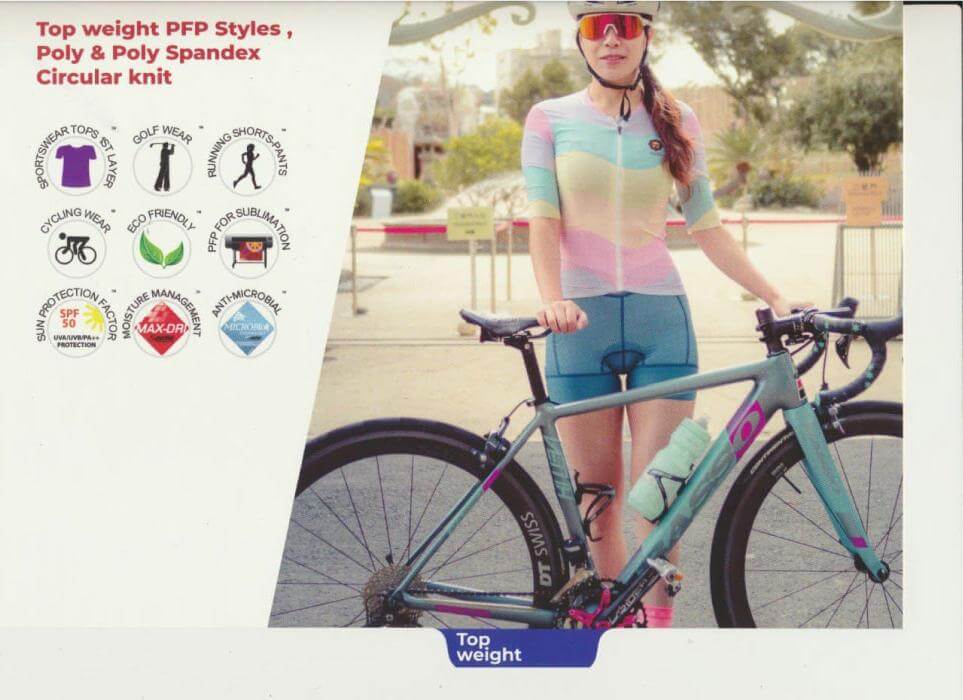
Because of these benefits, dye sublimation is widely used for sports jerseys, training gear, cycling apparel, and performance uniforms.
Why Polyester-Based Fabrics Dominate Sublimation Printing
Sublimation works best with polyester fabrics, which is why polyester-based textiles dominate the performance apparel market. These materials are lightweight, moisture-wicking, and durable—ideal for athletic environments.
Among these fabrics, poly tricot stands out as a particularly popular choice. Known for its smooth texture and strength, poly tricot is commonly used in jerseys, warm-ups, and athletic outerwear. Its structure supports high-quality dye sublimation textiles, making it a preferred option for manufacturers seeking both performance and print excellence.
What Makes Poly Tricot a Sportswear Essential
Poly tricot is a warp-knit fabric recognized for its durability and smooth surface. Unlike some lightweight knits, it maintains its shape under stress, making it suitable for high-impact sports and frequent use.
Key advantages of poly tricot include:
Excellent strength-to-weight ratio
Smooth finish ideal for sublimation printing
Resistance to stretching and tearing
Comfortable feel against the skin
These qualities make poly tricot an ideal foundation for dye sublimation textiles, allowing intricate designs to be printed without compromising performance.
Performance Meets Design Freedom
One of the most significant advantages of dye sublimation textiles is design flexibility. Unlike traditional printing methods that limit color count or placement, sublimation allows full-color, edge-to-edge designs with no added cost per color.
For sports teams and brands, this opens creative possibilities—from bold graphics and gradients to sponsor logos and personalization. When combined with poly tricot, these designs maintain clarity and vibrancy even under demanding conditions.
Durability for Competitive and Commercial Use
Athletic apparel must endure intense physical activity, repeated washing, and exposure to outdoor elements. Dye sublimation textiles excel in durability because the ink cannot peel, crack, or fade easily.
Poly tricot enhances this durability further by offering structural strength and abrasion resistance. Together, these materials ensure that uniforms and sportswear maintain a professional appearance throughout their lifespan—critical for competitive teams and commercial merchandise alike.
Comfort and Functionality for Athletes
Beyond appearance, comfort is essential. Sublimation printing does not block fabric pores, allowing garments to retain breathability and moisture-wicking properties. This ensures athletes stay cool and comfortable during performance.
Poly tricot contributes to this comfort by offering a smooth, lightweight feel that supports unrestricted movement. The combination of functional fabric and advanced printing technology creates apparel that performs as well as it looks.
Sustainability and Efficiency in Modern Manufacturing
Another advantage of dye sublimation textiles is efficiency. Sublimation printing produces minimal waste compared to traditional methods and often requires fewer chemicals. This aligns with the growing push toward more sustainable manufacturing practices.
When paired with durable fabrics like poly tricot, manufacturers can create longer-lasting garments, reducing the need for frequent replacements and supporting a more responsible production cycle.
Conclusion: The Future of Sportswear Fabric Innovation
As sportswear continues to evolve, the materials behind it play a critical role in shaping performance, aesthetics, and longevity. Dye sublimation textiles have revolutionized how designs are applied, while fabrics like poly tricot provide the strength, comfort, and consistency athletes demand.
Together, these innovations represent the future of high-performance apparel. For brands and manufacturers seeking reliable, cutting-edge textile solutions, sportek.com stands as a trusted source, delivering advanced fabrics that meet the highest standards of modern sportswear manufacturing.





