

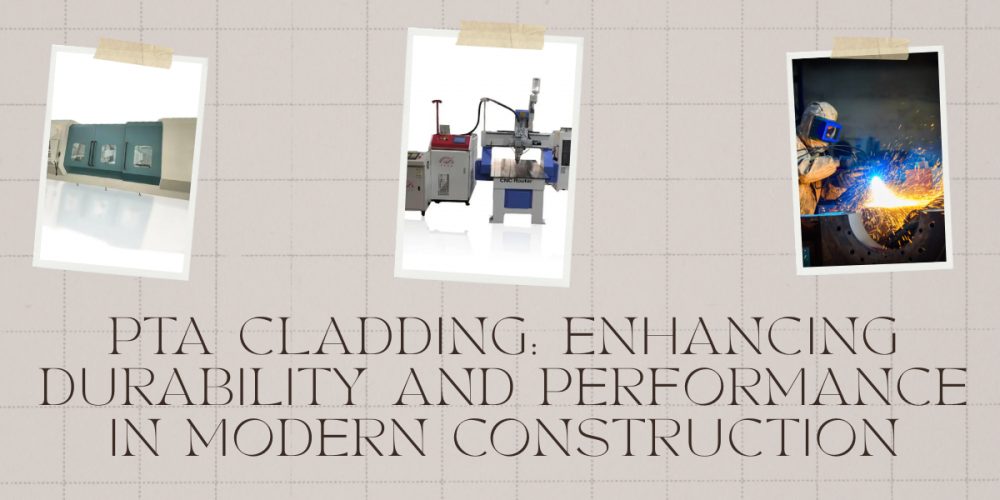
In today’s construction and industrial landscape, durability, strength, and resistance to wear are critical for long-lasting structures. One solution that has gained significant attention is PTA Cladding. This advanced cladding technology provides a protective layer to metal surfaces, enhancing their performance, longevity, and resistance to corrosion, abrasion, and extreme environmental conditions.
What is PTA Cladding?
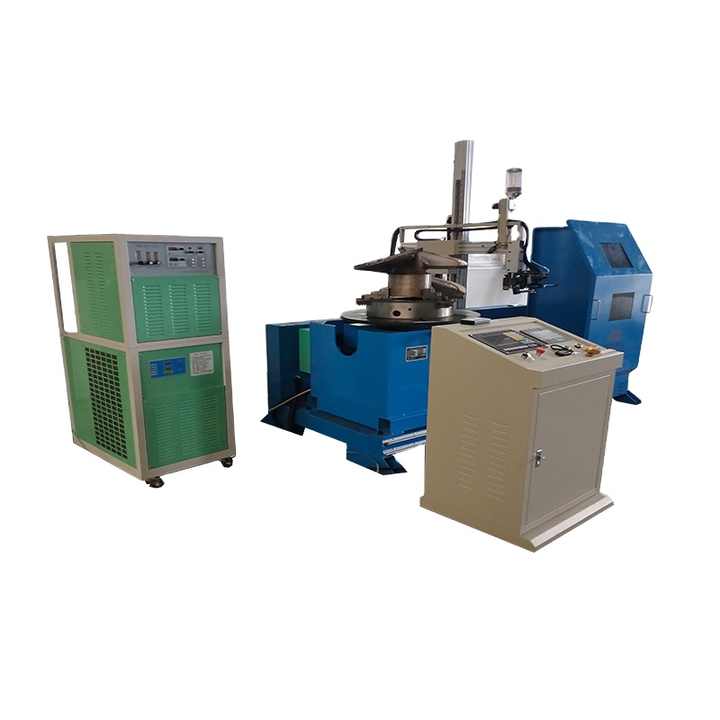
PTA Cladding (Plasma Transferred Arc Cladding) is a surface modification technique where a protective metal layer is deposited onto a base material using plasma transferred arc welding technology. The process produces a metallurgically bonded coating that combines the base material's properties with the superior characteristics of the cladding layer.
This technology is highly effective for industrial applications, offering excellent wear resistance, corrosion protection, and improved structural performance. PTA Cladding is particularly popular in industries such as construction, mining, energy, and manufacturing, where equipment and components operate under harsh conditions.

How PTA Cladding Works
The PTA Cladding process involves the following steps:
- Preparation of Base Material: The surface is cleaned and prepped to ensure proper bonding.
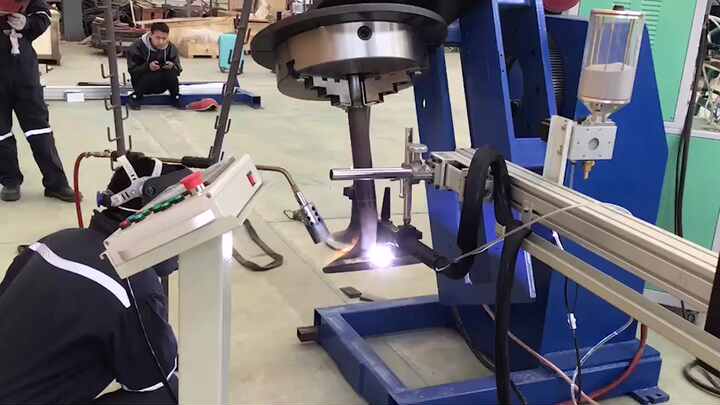
- Plasma Arc Generation: A high-energy plasma arc melts the cladding powder or wire, creating a molten pool on the base metal.
- Deposition: The molten material is deposited in layers on the surface, forming a uniform, metallurgically bonded coating.
- Cooling and Finishing: The clad surface cools to form a hard, durable, and corrosion-resistant layer, ready for industrial use.
The result is a high-performance surface that significantly extends the life of machinery, tools, and structural components.
Key Benefits of PTA Cladding
1. Enhanced Wear Resistance
PTA Cladding improves resistance to abrasion, erosion, and impact, making it ideal for heavy-duty equipment, such as mining machinery, crushers, and industrial rollers.

2. Corrosion Protection
Cladded surfaces are resistant to chemical attacks and corrosion, which is critical for industries exposed to harsh chemicals, seawater, or extreme environmental conditions.
3. Cost Efficiency
By extending component lifespans and reducing maintenance requirements, PTA Cladding lowers operational costs. Companies can avoid frequent replacements and downtime, improving overall productivity.
4. High Precision and Control
The process allows precise control over the thickness, composition, and properties of the cladding layer, ensuring tailored solutions for specific industrial applications.
5. Versatility Across Materials
PTA Cladding can be applied to various metals, including steel, stainless steel, and alloys, making it suitable for a wide range of applications across different industries.
Applications of PTA Cladding
PTA Cladding is widely used in industries where durability and performance are critical:
- Mining and Material Handling: Crushers, hoppers, and conveyor parts benefit from wear-resistant cladding.
- Energy and Power Plants: Turbine blades, valves, and boiler components gain corrosion and heat resistance.
- Oil & Gas Industry: Pipelines, drilling equipment, and offshore structures are protected from corrosion and abrasion.
- Manufacturing Equipment: Rolls, dies, molds, and other machinery components are enhanced for longevity.
- Construction: Heavy machinery parts and structural elements are protected against wear and environmental damage.
This technology not only improves component performance but also enhances safety and reliability in industrial operations.
Why PTA Cladding Is a Smart Investment
Investing in PTA Cladding is a strategic decision for businesses looking to maximize equipment life, reduce maintenance costs, and improve efficiency. Its combination of wear resistance, corrosion protection, and precision makes it ideal for industries where high-performance surfaces are essential.
Moreover, the ability to customize the cladding composition allows engineers to address specific operational challenges, providing solutions that are both cost-effective and technologically advanced.
Conclusion
PTA Cladding is a revolutionary surface engineering solution that enhances durability, resistance, and performance across a wide range of industrial applications. By providing wear-resistant, corrosion-proof, and long-lasting surfaces, it helps businesses reduce downtime, save costs, and ensure operational efficiency. For companies seeking expert PTA Cladding solutions, professional providers deliver high-quality services, precision application, and customized cladding layers, ensuring maximum performance and longevity for industrial components.





