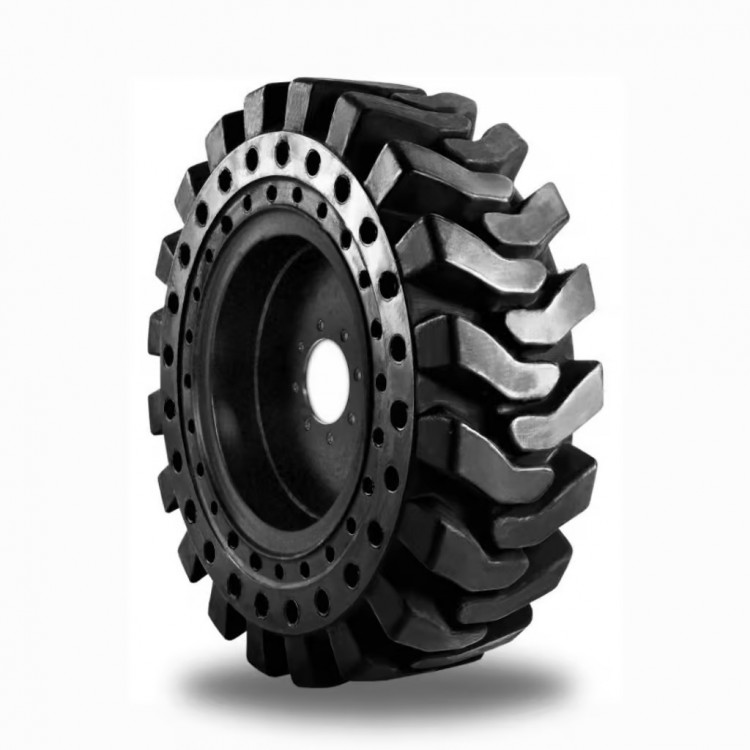
Heavy-duty operations depend on equipment that can perform reliably under constant pressure, challenging environments, and demanding workloads. While engines and hydraulics often receive the most attention, tyres play an equally critical role in ensuring safety, efficiency, and productivity. Investing in high-quality industrial tires is not just a maintenance decision; it is a strategic choice that directly affects operational performance and long-term costs.
This article explores the key benefits of using high-quality industrial tires in heavy-duty operations and explains why they are essential for industries that rely on material handling, construction, manufacturing, and logistics.
Enhanced Durability in Demanding Conditions
Heavy-duty environments expose tyres to rough surfaces, sharp debris, heavy loads, and continuous operation. High-quality industrial tires are engineered with advanced rubber compounds and reinforced structures designed to withstand these conditions.

Their durability helps:
- Reduce premature wear
- Resist cuts, abrasions, and punctures
- Maintain performance over extended service periods
This resilience ensures equipment can operate consistently without frequent tyre-related interruptions.
Improved Safety for Operators and Worksites
Safety is a top priority in any industrial setting. Tyre failure can lead to equipment instability, accidents, and costly downtime. High-quality industrial tires provide reliable traction, predictable handling, and stable load support.
Key safety benefits include:
- Reduced risk of blowouts or sudden failures
- Better grip on various surfaces
- Improved braking and steering control
By maintaining stability under heavy loads, quality tyres help protect operators, equipment, and surrounding personnel.

Greater Load-Bearing Capacity
Heavy-duty equipment is designed to move and lift substantial weights. Industrial tires must support these loads without compromising performance or safety.
High-quality industrial tires offer:
- Consistent load distribution
- Strong sidewall support
- Reduced deformation under pressure
This ensures machinery operates within safe limits and maintains balance during lifting, transport, and stacking tasks.
Reduced Downtime and Maintenance Costs
Unexpected tyre issues can disrupt operations and increase labor costs. Inferior tyres often require frequent repairs, pressure adjustments, or early replacement.
High-quality industrial tires help minimize downtime by:
- Requiring fewer repairs
- Offering longer service life
- Reducing routine maintenance needs
Over time, fewer stoppages lead to smoother workflows and better use of manpower and equipment.
Consistent Performance Across Operating Conditions
Heavy-duty operations often involve varied surfaces, temperatures, and usage patterns. Quality industrial tires are designed to deliver consistent performance regardless of environmental changes.
This consistency provides:
- Reliable traction on indoor and outdoor surfaces
- Stable handling during long operating hours
- Predictable response under varying loads
Consistent tyre behavior improves operator confidence and supports efficient task completion.
Improved Fuel and Energy Efficiency
Tyre performance directly affects rolling resistance, which influences fuel consumption and energy use. High-quality industrial tires are designed to optimize contact with the ground, reducing unnecessary resistance.
Benefits include:
- Lower fuel or energy consumption
- Reduced strain on engines and motors
- Improved overall equipment efficiency
Even small efficiency gains can lead to significant cost savings over time in heavy-duty operations.
Better Protection for Equipment Components
Poor-quality tyres can increase vibration, uneven load distribution, and mechanical stress. These factors contribute to faster wear on equipment components such as axles, suspension systems, and bearings.
High-quality industrial tires help:
- Absorb shocks and vibrations
- Reduce mechanical strain
- Extend the lifespan of related components
Protecting equipment systems lowers repair costs and enhances overall reliability.
Enhanced Operator Comfort and Productivity
Operator comfort has a direct impact on productivity and safety. Excessive vibration, poor handling, or unstable equipment can lead to fatigue and reduced focus.
Quality industrial tires contribute to:
- Smoother rides
- Reduced vibration and noise
- Better control during operation
Comfortable operators are more alert, productive, and capable of maintaining safe working practices.
Adaptability to Specific Applications
Industrial operations vary widely, and tyres must match the demands of specific applications. High-quality industrial tires are available in different designs to suit various needs, including indoor warehousing, construction sites, ports, and manufacturing facilities.
This adaptability ensures:
- Optimal performance for each task
- Reduced risk of mismatched tyre use
- Improved operational efficiency
Selecting tyres designed for specific conditions maximizes their effectiveness.
Long-Term Cost Efficiency
Although high-quality industrial tires may have a higher initial purchase price, their long-term value often outweighs the upfront cost.
Long-term financial benefits include:
- Fewer replacements
- Lower maintenance expenses
- Reduced downtime costs
When evaluated over their full service life, quality tyres typically result in a lower total cost of ownership.
Environmental and Operational Sustainability
Using durable industrial tires reduces waste by extending replacement intervals. Fewer discarded tyres contribute to more sustainable operations and better environmental practices.
Operational sustainability improves through:
- Reduced resource consumption
- Fewer disruptions
- More efficient equipment use
Sustainable practices also support regulatory compliance and corporate responsibility goals.
Importance of Proper Selection and Maintenance
Even the best industrial tires require correct selection and proper care to deliver maximum benefits. Factors such as load requirements, surface conditions, and operating environment should guide tyre choice.
Routine inspections, pressure management, and operator training ensure high-quality industrial tires perform as intended throughout their lifespan.
Final Thoughts
High-quality industrial tires are essential components of heavy-duty operations. Their durability, safety benefits, and consistent performance support efficient workflows and protect valuable equipment. By reducing downtime, lowering maintenance costs, and improving operator comfort, these tyres deliver measurable advantages across a wide range of industries.
Investing in quality industrial tires is not simply about replacing a worn component. It is a proactive decision that strengthens productivity, safety, and long-term operational success in demanding industrial environments.