

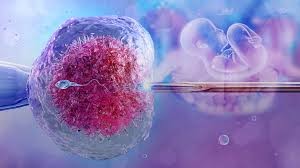
The two-week wait (2WW) following embryo transfer is one of the most emotionally challenging periods in the IVF journey. After weeks of preparation, injections, monitoring appointments, egg retrieval, and finally transfer, you're left in limbo—waiting to discover if the treatment worked. This period is filled with hope, fear, anxiety, symptom-analysis, and an agonizing sense of powerlessness. Every twinge, cramp, or absence of symptoms becomes a source of intense scrutiny. Understanding what's actually happening in your body, managing the emotional rollercoaster, and knowing how to navigate this waiting period can help you maintain your sanity during these crucial days.
What Actually Happens During the Two-Week Wait
Understanding the biological process occurring in your body provides helpful context for this waiting period:

Days 0-2 After Transfer (Transfer Day to Day 2):
- The embryo continues developing from wherever it was when transferred (day 3 or day 5/6)
- A blastocyst (day 5/6 embryo) begins "hatching" from its protective shell
- The embryo floats freely in the uterine cavity
- Minimal physical sensations are related to implantation at this stage
Days 3-5 After Transfer:
- The embryo (now a blastocyst if transferred earlier) begins attaching to the uterine lining
- Initial adhesion to the endometrium occurs
- Early implantation begins
- Some women experience mild cramping or spotting (implantation bleeding), though most don't
Days 6-8 After Transfer:
- Deep implantation occurs as the embryo burrows into the uterine lining
- HCG (pregnancy hormone) production begins
- Blood vessels form connecting embryo to maternal circulation
- HCG levels are still too low for detection by home pregnancy tests
Days 9-12 After Transfer:
- Implantation completes
- HCG production increases rapidly (doubling approximately every 48 hours)
- HCG may become detectable on sensitive home pregnancy tests (though testing early risks false negatives)
- Embryo development continues
Days 13-14 After Transfer:
- HCG levels reach detectable ranges for blood tests
- Official pregnancy test (beta HCG blood test) scheduled
- Progesterone support continues until test results
This timeline varies slightly based on whether you had a 3-day or 5-day transfer and whether the transfer was fresh or frozen.
Physical Symptoms: What's Normal and What's Not
The two-week wait is notorious for symptom obsession. Every sensation becomes analyzed for pregnancy clues. However, the reality is complicated:
Common Symptoms That May Mean Nothing:
Cramping: Mild cramping is common and can indicate:
- Implantation (actually happening)
- Uterine irritation from the transfer catheter
- Effects of progesterone supplementation
- Normal uterine activity
- Unfortunately, sometimes impending menstruation
Breast Tenderness: Almost always caused by progesterone supplementation, not pregnancy. Whether you're pregnant or not, progesterone causes breast sensitivity.
Bloating: Results from:
- Progesterone slowing digestion
- Residual effects from egg retrieval
- Estrogen supplementation
- Rarely, early pregnancy
Fatigue: Could indicate:
- Progesterone effects (very sedating)
- Stress and anxiety exhaustion
- Early pregnancy
- Your body recovering from treatment
Nausea: Might be:
- Progesterone side effects
- Anxiety manifesting physically
- Rarely, very early pregnancy symptoms
- Medication side effects
Spotting: Can be:
- Implantation bleeding (light pink/brown spotting around days 6-8)
- Progesterone suppository irritation
- Cervical irritation from transfer procedure
- Early period
- Pregnancy-related bleeding (both viable and non-viable)
The Frustrating Truth: Progesterone supplementation mimics early pregnancy symptoms almost perfectly. The same hormones that cause pregnancy symptoms are the medications you're taking, making symptom analysis essentially meaningless.
Concerning Symptoms Requiring Medical Attention:
- Heavy bleeding (soaking through pads)
- Severe abdominal pain
- Fever over 100.5°F
- Severe bloating with difficulty breathing
- Dizziness or fainting
- Severe headaches
These could indicate complications like OHSS (ovarian hyperstimulation syndrome), ectopic pregnancy, or infection requiring immediate evaluation.
The Great Debate: To Test or Not to Test Early
Home pregnancy testing before the official beta is controversial:
Arguments for Early Testing:
Mental Preparation: Some people prefer knowing early to prepare emotionally for bad news rather than being blindsided.
Gradual Hope Building: Seeing lines darken over several days provides incremental positive feedback.
Trigger Shot Monitoring: Testing out the trigger shot (if HCG trigger was used) helps distinguish true positives from medication residue.
Personal Control: Taking action rather than passively waiting reduces some people's anxiety.
Arguments Against Early Testing:
False Negatives: Testing before 9-10 days post-transfer risks devastating false negatives when HCG levels are still too low for detection, despite successful implantation.
Chemical Pregnancies: Very early testing detects pregnancies that wouldn't sustain, causing grief over losses you might never have known about.
Line Obsession: Analyzing test line darkness becomes all-consuming and anxiety-provoking.
Wasted Hope: Positive tests don't guarantee successful pregnancy, and negative tests don't definitively mean failure.
Increased Stress: For many, testing creates more anxiety than waiting.
The Middle Ground: If you decide to test early:
- Wait at least 9-10 days post-transfer (5-day transfer) or 12-13 days (3-day transfer)
- Use First Response Early Result or other sensitive tests
- Test with first morning urine (most concentrated)
- Understand that negative results aren't definitive
- Don't obsess over line darkness progression
- Still get your scheduled beta blood test for confirmation
When working with a reputable IVF center in Jaipur, your medical team can provide guidance on their testing recommendations and what approach aligns with your emotional needs.
Strategies for Managing Anxiety
The two-week wait anxiety is real and valid. These strategies help many couples cope:
Stay Busy with Low-Stress Activities:
- Light work commitments (avoid high-pressure deadlines)
- Enjoyable hobbies (reading, puzzles, crafts)
- Gentle social activities
- Streaming shows or movies (avoid pregnancy/baby content if triggering)
- Light organizing or planning projects
- Cooking new recipes
Practice Mindfulness and Meditation:
- Guided meditation apps (Headspace, Calm, Expectful)
- Deep breathing exercises
- Body scan relaxation
- Pregnancy-specific meditation programs
- 10-20 minutes daily reduces cortisol
Gentle Physical Activity:
- Walking (20-30 minutes daily)
- Gentle stretching
- Prenatal yoga (modified for 2WW)
- Swimming (if comfortable)
Avoid:
- High-intensity exercise
- Running or jumping
- Heavy lifting
- Hot yoga or saunas
- Activities causing jarring movements
Limit "Dr. Google" and Forum Browsing:
Online searching typically increases anxiety rather than providing reassurance. If you must search:
- Set time limits (15 minutes maximum)
- Stick to reputable medical sources
- Avoid symptom analysis threads
- Remember that people share negative experiences disproportionately
Maintain Connection with Your Partner:
- Schedule quality time together
- Discuss feelings openly
- Avoid blame if the cycle fails
- Plan enjoyable activities
- Support each other's coping strategies
- Remember you're a team
Set Boundaries:
- It's okay to avoid baby showers or pregnancy announcements
- Decline invasive questions from family/friends
- Limit who knows about your transfer timing
- Protect your emotional space
Plan for Both Outcomes:
This sounds counterintuitive, but having plans for both positive and negative results reduces "what if" spiraling:
If Positive:
- How will you tell your partner?
- When will you share news with others?
- What immediate steps follow (progesterone continuation, first ultrasound)?
If Negative:
- What will you do that day (take off work, comfort activities)?
- How will you process together?
- When will you follow up with your doctor?
- What timeline for trying again or reassessing?
Having these conversations doesn't jinx anything—it provides structure when emotions are overwhelming.
What You Can and Can't Control
You CAN Control:
- Taking medications exactly as prescribed
- Eating nutritious foods
- Getting adequate sleep
- Managing stress through healthy coping strategies
- Staying hydrated
- Avoiding alcohol, smoking, and toxins
- Attending scheduled appointments
- Being gentle with yourself emotionally
You CANNOT Control:
- Whether the embryo implants
- Embryo chromosomal status
- Your body's receptivity on that specific day
- Whether this specific cycle succeeds
This distinction is crucial. Focus energy on what you can control, and practice acceptance of what you cannot.
Medications During the Two-Week Wait
Progesterone Supplementation: Almost universal after IVF transfer:
Forms:
- Vaginal suppositories or inserts
- Intramuscular injections
- Oral tablets (less common)
Side Effects:
- All the "pregnancy symptoms" mentioned earlier
- Vaginal discharge (with suppositories)
- Injection site soreness
- Mood changes
- Constipation
Critical: Never stop progesterone without your doctor's explicit instruction, even if you get your period or have a negative test. Only your doctor should make this decision.
Estrogen Supplementation: Some protocols include estrogen:
- Oral tablets
- Patches
- Vaginal tablets
Other Medications:
- Baby aspirin (if prescribed)
- Prenatal vitamins (continue)
- Other prescribed medications
Avoid Without Doctor Approval:
- NSAIDs (ibuprofen, naproxen)
- Most over-the-counter medications
- Herbal supplements
- New supplements or vitamins
Activity Restrictions: What's Actually Necessary
Bed rest is no longer recommended after embryo transfer. In fact, excessive inactivity may reduce success rates.
What to Do:
- Resume normal daily activities the day after transfer
- Work as usual (unless extremely physically demanding)
- Light walking
- Stairs are fine
- Driving is fine
- Light housework
What to Avoid:
- Heavy lifting (>25 pounds)
- Strenuous exercise
- Hot tubs, saunas, hot baths
- Swimming (if using vaginal progesterone—infection risk)
- Sexual intercourse (most clinics recommend pelvic rest)
- Contact sports or activities with fall risk
Air Travel: Generally considered safe, though discuss with your doctor if extended flights are planned.
The embryo is securely in your uterus—normal activities won't dislodge it.
Diet and Lifestyle During the Wait
Nutrition Guidelines:
- Continue eating balanced, nutritious meals
- Stay well-hydrated (8-10 glasses water daily)
- Avoid alcohol completely
- Limit caffeine (<200mg daily)
- Eat protein at each meal
- Include plenty of fruits and vegetables
- Avoid raw fish, unpasteurized cheeses, deli meats (prepare as if pregnant)
Foods with Slight Evidence for Support:
- Pineapple core (contains bromelain—eat days 1-5 post-transfer)
- Brazil nuts (selenium—2-3 nuts daily)
- Warm foods (traditional Chinese medicine perspective)
No Magic Foods: Despite internet claims, no food dramatically changes implantation odds.
Avoid:
- Alcohol
- Excessive caffeine
- Raw or undercooked animal products
- High-mercury fish
- Unpasteurized dairy
Working with Your Fertility Team
Your clinic at an IVF hospital in Jaipur or elsewhere should provide:
Clear Instructions:
- Medication schedules
- Activity guidelines
- Warning signs requiring contact
- When and how to take pregnancy test
Accessibility:
- Nurse line for questions
- After-hours emergency contact
- Clear protocols for concerning symptoms
Support:
- Counseling resources
- Realistic expectations about symptoms
- Guidance on testing decisions
Don't hesitate to contact them with concerns—that's what they're there for.
Beta Day: The Official Test
Beta HCG Blood Test: Scheduled approximately 9-14 days after transfer (timing varies by clinic and transfer type).
What's Measured: Quantitative HCG levels in your bloodstream (more accurate than home tests).
Result Interpretation:
Positive Beta: HCG level above clinic's threshold (often >5-10 mIU/mL)
- Higher numbers generally indicate stronger implantation
- First beta doesn't predict pregnancy viability alone
- Second beta 48 hours later should approximately double
- First ultrasound scheduled 2-3 weeks later
Negative Beta: HCG below threshold
- Definitive—not pregnant from this cycle
- Progesterone typically discontinued
- Period expected 2-7 days later
- Follow-up consultation scheduled to discuss next steps
Getting Results:
- Most clinics call afternoon of test day
- Have your partner or support person available
- Clear your schedule if possible
- Plan comfort activities for either outcome
If the Test is Negative
A negative result is devastating. Allow yourself to grieve:
Immediate Self-Care:
- Take time off if needed
- Allow yourself to cry, feel angry, or experience whatever emotions arise
- Avoid making major decisions immediately
- Lean on your support system
- Do something comforting (favorite meal, comforting activities)
Next Steps:
- Follow-up consultation (usually 1-2 weeks later)
- Review the cycle: what worked, what didn't
- Discuss modifications for future attempts
- Decide on timeline for trying again
- Consider counseling support
Remember:
- One negative cycle doesn't mean IVF won't work
- Many successful parents had multiple attempts
- Each cycle provides information improving future attempts
- Your feelings are valid
If the Test is Positive
A positive beta is wonderful but just the first step:
Immediate Next Steps:
- Continue ALL medications as directed
- Schedule second beta (48 hours later)
- Wait for doubling confirmation
- First ultrasound typically 2-3 weeks after positive beta
Cautious Optimism:
- Celebrate this milestone
- Understand that early pregnancy carries risks
- First trimester loss affects 15-25% of pregnancies
- Ultrasound confirming heartbeat significantly improves odds
Don't:
- Tell everyone immediately (consider waiting until after first ultrasound)
- Stop medications without instructions
- Assume everything is guaranteed
Support Resources
Professional Support:
- Individual therapy with infertility specialist
- Couples counseling
- Support groups (RESOLVE, Fertility Network)
Online Communities:
- Reddit r/infertility
- FertilityIQ community
- Inspire fertility forums
Self-Help Resources:
- "The Two Week Wait Challenge" by Lauren Mishkind Kulp
- Meditation apps with fertility-specific content
- Journaling
Conclusion
The two-week wait after IVF transfer is uniquely challenging—a period where hope and fear coexist intensely, and control feels completely absent. Understanding what's happening in your body, managing anxiety through healthy coping strategies, maintaining realistic perspectives on symptoms, and having support systems in place all help navigate this difficult time.
Remember that whatever you're feeling during these two weeks is valid. The uncertainty is genuinely difficult, and you're managing it the best you can. Whether this cycle results in the positive outcome you desperately hope for or requires you to find strength to try again, you're demonstrating remarkable resilience and courage.
Be gentle with yourself, focus on what you can control, and remember that countless others have survived this wait—with both positive and negative outcomes—and you will too. Trust your body to do what it will do, regardless of the mental energy you expend analyzing symptoms. The outcome was largely determined at transfer; now you wait, hope, and take care of yourself through the uncertainty.





