
Introduction
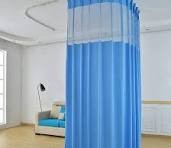
In the fast-paced environment of a healthcare facility, every piece of equipment serves a vital purpose. While high-tech monitors and life-saving surgical tools often get the spotlight, one of the most hardworking elements in a patient room is often overlooked: hospital medical curtains. These fabric partitions are more than just simple room dividers; they are essential tools for privacy, infection control, and patient comfort.
A Foundation of Patient Privacy


The primary role of hospital medical curtains is to provide immediate, flexible privacy. In busy wards or emergency departments where multiple patients share a single large area, these curtains act as temporary walls. They allow doctors and nurses to perform examinations, change dressings, or consult with patients in a semi-private setting.
For a patient, being in the hospital can be a vulnerable experience. The ability to pull a curtain closed provides a psychological sense of security and dignity. This "soft architecture" allows a room to be reconfigured in seconds, ensuring that despite the communal nature of modern medicine, a patient’s personal space remains respected.
The Critical Role in Infection Control
Beyond privacy, hospital medical curtains are a front-line defense in the battle against Hospital-Acquired Infections (HAIs). Because these curtains are frequently touched by patients, visitors, and healthcare staff, they can easily harbor bacteria and pathogens.

To combat this, modern medical textiles have evolved significantly. Today, many facilities use curtains treated with antimicrobial coatings. These specialized fabrics are designed to:
-
Inhibit the growth of bacteria and mold.
-
Reduce the spread of pathogens between different patient zones.
-
Provide a surface that is easier to clean or replace.
In high-risk areas, many hospitals have shifted toward disposable hospital medical curtains. These are made from recyclable non-woven materials and are designed to be swapped out at regular intervals or whenever a patient is discharged. This ensures that a fresh, sterile environment is ready for the next individual, significantly lowering the risk of cross-contamination.
Safety and Standards
Safety is paramount in any medical setting, and hospital medical curtains must adhere to strict regulatory standards. One of the most important requirements is fire resistance. Most medical-grade curtains are treated with flame retardants or manufactured from inherently flame-resistant (IFR) fibers. This ensures that the curtains will not contribute to the spread of a fire, providing precious extra minutes for evacuation in an emergency.
Furthermore, the design of these curtains often includes a mesh top. This mesh is not just for ventilation; it is a safety requirement that allows overhead sprinkler systems to penetrate the curtained area in the event of a fire.
Aesthetics and Patient Recovery
While functionality is key, the visual impact of hospital medical curtains shouldn't be ignored. Modern healthcare design emphasizes "healing environments." Instead of the sterile, cold whites of the past, many curtains now feature soothing colors and patterns. Research suggests that a more pleasant, domestic-feeling environment can reduce patient stress and potentially speed up recovery times.
note :- Taasim LLC is headed by Akbar Raja , a Construction Professional with 40 years of hands on experience on and off field in Construction and Safety ,Taasim, aims towards reducing carbon footprints, has been one of the pioneers to promote recycled materials usage for developing its sustainable products.
Conclusion
From the emergency room to the recovery suite, hospital medical curtains are indispensable. They balance the complex needs of clinical efficiency with the human need for privacy and safety. As material science continues to advance, we can expect these curtains to become even more effective at killing germs while remaining a soft, comforting presence in the healing process.
Also Read :- How Does Ceramic Tactile Help Visually Impaired People Navigate Safely





