
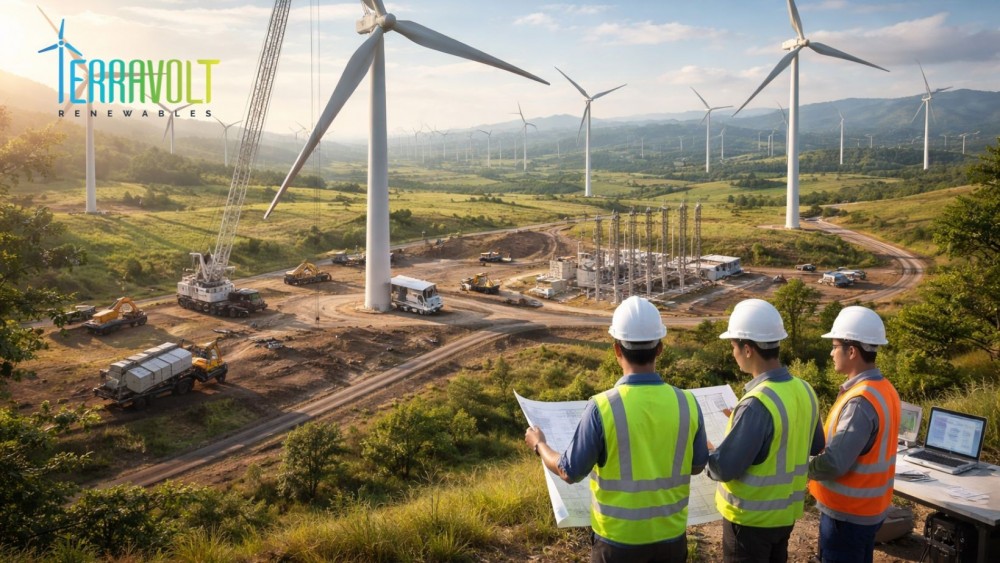
The global transition toward renewable energy has placed wind power at the forefront of the sustainable revolution. As nations strive to meet ambitious net-zero targets, the demand for robust infrastructure has never been higher. However, building a wind farm is a complex multi-disciplinary undertaking that requires precision, technical expertise, and rigorous project management. This is where professional wind energy contractors play a pivotal role.
Selecting the right partner for a wind project is the difference between a high-performing asset and a costly liability. From navigating regulatory hurdles to executing complex civil engineering tasks, a specialized partner provides the end-to-end oversight necessary to turn a visionary project into a functional reality.
Understanding the Role of Wind EPC Contractors
In the renewable sector, "EPC" stands for Engineering, Procurement, and Construction. An EPC firm acts as a single point of responsibility for the asset owner. Instead of managing multiple vendors for turbines, electrical systems, and road construction, the developer hires one firm to handle the entire lifecycle of the build.

This "turnkey" approach is highly favored in the industry because it minimizes risks, ensures accountability, and streamlines communication. When you work with an integrated provider like Terravolt, you benefit from a unified strategy that aligns the design phase with the actual physical constraints of the site.
Key Services Provided in Wind Projects
The scope of work for modern renewable firms extends far beyond simply erecting turbines. It involves a sophisticated blend of logistics, engineering, and environmental stewardship.
1. Site Assessment and Feasibility
Before a single shovel hits the ground, teams must analyze wind speeds, soil stability, and environmental impact. This phase ensures that the chosen location can support the massive weight of the turbines and yield a high Return on Investment (ROI).
2. Engineering and Design
Detailed engineering includes designing the foundation, the internal road network for heavy machinery, and the electrical collection system. Precision in this stage prevents structural failures and optimizes energy transmission efficiency.
3. Procurement and Logistics
Procuring blades, nacelles, and towers involves complex global supply chains. A seasoned team manages the logistics of transporting "super-loads"—massive components that require specialized trailers and route planning—to often remote, high-altitude locations.

4. Civil and Electrical Construction
This is the heart of the project. It involves:
-
Foundation Work: Pouring high-strength concrete bases.
-
Grid Connection: Building substations and laying underground cables to connect the wind farm to the national grid.
-
Turbine Installation: Using specialized cranes to lift and bolt the components in place.
Why Experience Matters in Wind Projects
Wind energy projects are uniquely susceptible to geographic and climatic challenges. Whether it’s the rocky terrain of a mountain range or the soft soil of a coastal plain, the construction strategy must be adapted to the local environment.
Reliable firms bring a wealth of "lessons learned" to the table. They understand how to manage seasonal weather windows, ensuring that heavy lifts are performed during low-wind periods to maintain safety. Furthermore, they ensure compliance with local grid codes and land-use regulations, preventing legal bottlenecks that could stall a project for months.
Benefits of the EPC Model for Wind Developers
Choosing a specialized wind epc contractors model offers several strategic advantages:
| Benefit | Description |
| Cost Certainty | Protected against price fluctuations in labor or materials via fixed-price contracts. |
| Faster Timelines | Overlapping design and construction phases allows for earlier commissioning. |
| Safety Standards | Adherence to international Health, Safety, and Environment (HSE) standards. |
| Simplicity | A single point of contact allows investors to focus on financing rather than technical hurdles. |
The Future of Wind Infrastructure
As turbine technology evolves, the towers are getting taller and the blades longer to capture more energy at lower wind speeds. This evolution requires firms to invest in even more advanced lifting technology and more durable foundation designs.
Moreover, the rise of "repowering"—replacing old turbines at existing sites with modern ones—is a growing niche. This process requires delicate dismantling of old tech while integrating new components into existing grid infrastructure without disrupting the local ecosystem.
Conclusion
The success of a wind energy project depends on the synergy between innovative technology and expert execution. By partnering with a dedicated service provider, developers ensure that their investment is protected by technical excellence and professional project management.
As we move toward a cleaner energy grid, the expertise of specialized builders remains the backbone of the industry. Whether you are initiating a small-scale community wind project or a massive utility-scale farm, choosing a partner with a proven track record is the first step toward a sustainable and profitable future.
For those seeking a reliable partner in the Indian market, Terravolt offers the comprehensive expertise required to bring complex wind projects to life, ensuring efficiency from the first survey to the final connection.





