

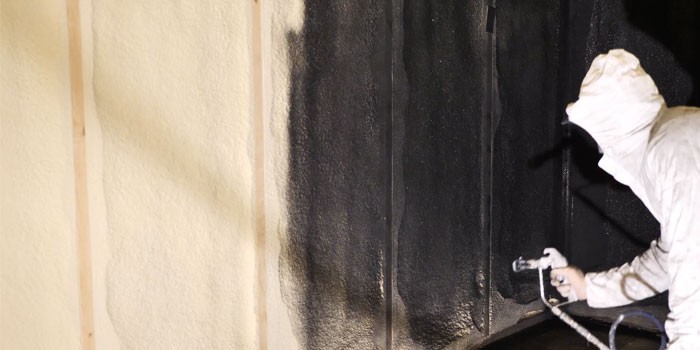
A Thermal Barrier System is a practical solution for common basement challenges such as dampness, uneven temperatures, and musty odors. By adding an extra layer of protection and insulation, homeowners can maintain a dry, comfortable, and energy-efficient basement environment.
Proper installation by professional thermal barrier system ensures that basements are protected from long-term damage while enhancing indoor comfort.
Peninsula Insulation brings expertise and hands-on experience to ensure reliable and lasting results for finished basement projects.

Common Basement Problems Addressed by a Thermal Barrier System
Finished basements face unique issues due to their location below ground level. A Thermal Barrier System tackles these challenges effectively.
Moisture Management
Excess moisture leads to mold, mildew, and structural issues. A well-installed system:
- Keeps walls dry and free of condensation
- Reduces water intrusion from minor leaks
- Limits mold growth and odor development
Temperature Control
Basements often feel cold in winter and humid in summer. Benefits include:
- More consistent indoor temperatures
- Reduced drafts and cold spots
- Increased comfort for living and recreational areas
Air Quality Improvement
By controlling moisture and sealing surfaces, the system supports:
- Reduced allergens and airborne irritants
- Decreased musty smells
- Healthier basement environments
Bonus Tips
- Inspect walls for cracks before installation
- Combine with a dehumidifier for optimal moisture management

How a Thermal Barrier System Works
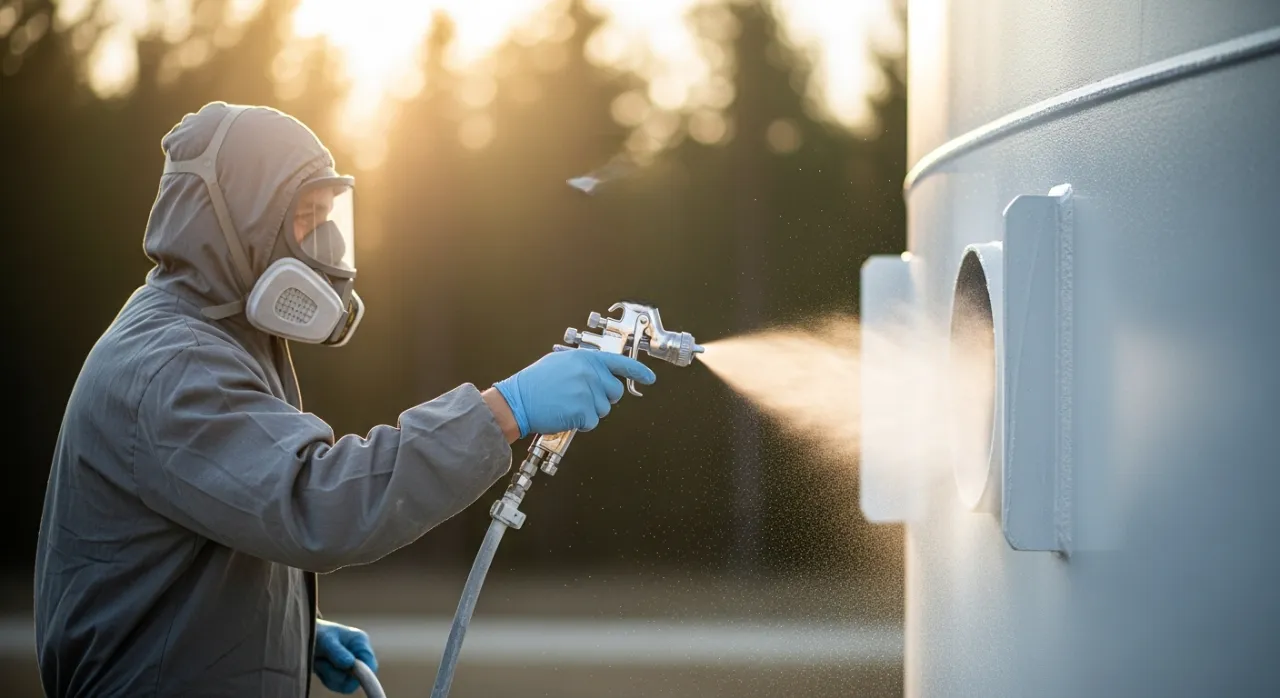
A Thermal Barrier System enhances comfort and protection by layering materials to reduce heat loss and moisture issues.
Layered Protection
The system usually combines:
- An insulation layer to maintain temperature
- A moisture-resistant barrier to prevent water infiltration
- A protective finishing layer for durability
Installation Considerations
Correct spacing and wall coverage are essential. Poor installation can compromise performance and lead to recurring problems. Professional Thermal Barrier System experts ensure precise installation and long-term efficiency.
Types of Thermal Barrier Systems
Basements vary in size, layout, and moisture challenges. Selecting the right system is key to performance. The table below outlines the main types:
|
System Type |
Ideal Use |
Protection Level |
Maintenance Needs |
|---|---|---|---|
|
Foam Panels |
Small or irregular spaces |
High |
Low |
|
Rigid Boards |
Large walls or open areas |
Moderate |
Medium |
|
Spray-On Coating |
Full wall coverage |
High |
Low |
This table helps homeowners compare Thermal Barrier System services and identify the best option for their space.
Things to Consider Before Making a Decision
Selecting a Thermal Barrier System involves evaluating several factors:
- Basement Condition: Check for moisture, cracks, or uneven walls
- System Type: Match the barrier to wall layout and problem areas
- Expertise: Hire certified Thermal Barrier System experts for proper installation
- Climate Considerations: In Maryland, systems must handle humid summers and cold winters
- Budget and Longevity: Factor upfront costs against long-term energy savings
Bonus Tips
- Schedule installation during dry months to reduce moisture-related issues
- Pair with proper ventilation for optimal thermal performance
Regional Guidance for Maryland Basements
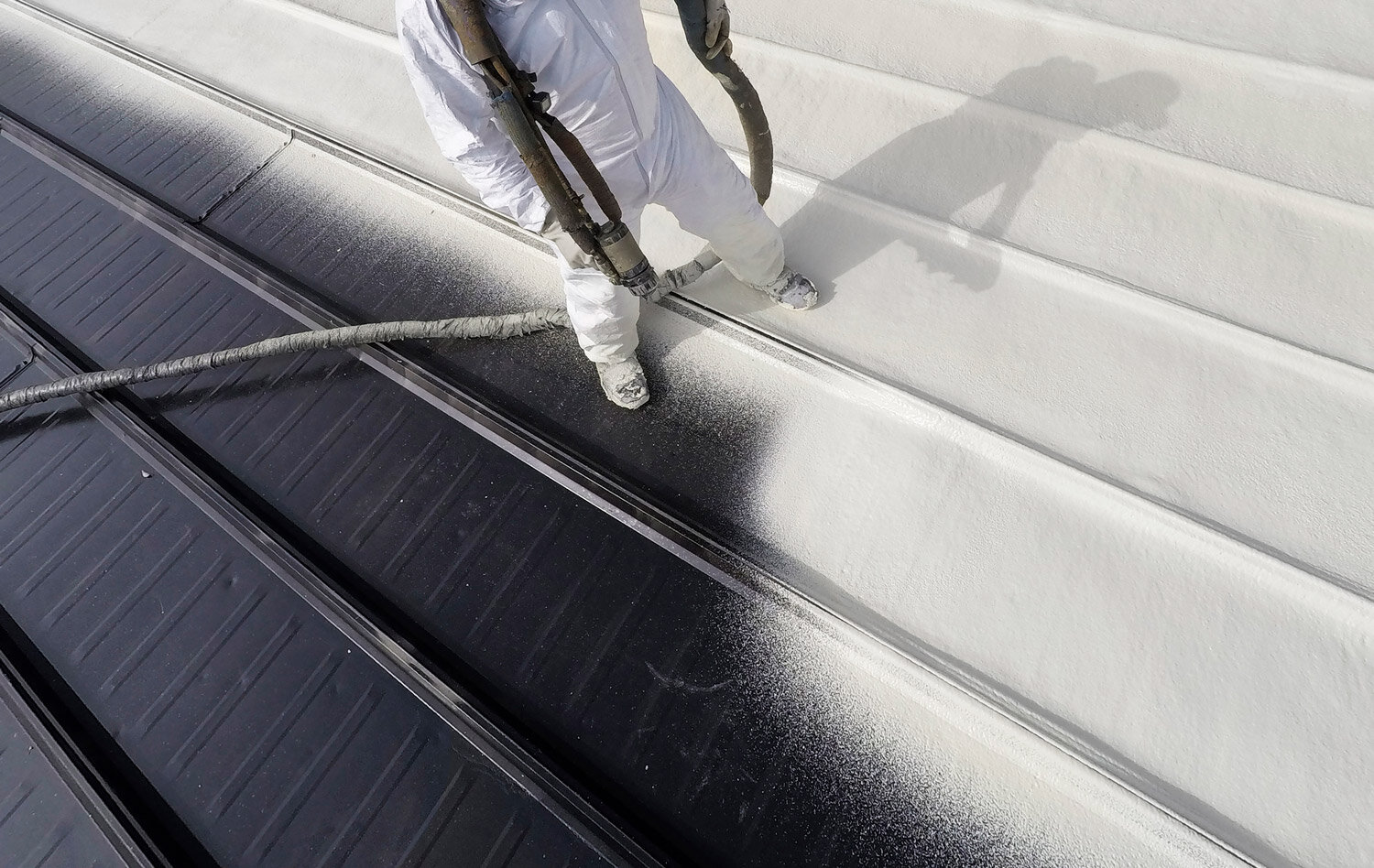
Maryland basements face seasonal humidity and temperature swings. A Thermal Barrier System:
- Reduces condensation during summer
- Maintains warmth in winter
- Minimizes mold growth risk
- Enhances overall comfort year-round
Enhancing System Effectiveness
Proper use and maintenance improve long-term benefits:
- Inspect periodically for moisture or gaps
- Clean surfaces to maintain protective barrier integrity
- Consider additional sealing around windows or pipes
Professional Thermal Barrier System services ensure all steps are correctly implemented for maximum results.
Maximizing Benefits in Finished Basements
Homeowners can increase system performance by combining proper installation with regular inspections, moisture control, and ventilation improvements. Consulting certified Thermal Barrier System services ensures these practices are correctly applied.
Basement conditions, moisture risks, and layout should guide system selection to achieve long-term comfort and protection.
Take Action to Protect Your Basement
For homeowners seeking reliable basement protection, Peninsula Insulation provides professional Thermal Barrier System services. They can be contacted at wil@mdsprayfoam.net or (410) 770-2624 to safeguard basements, improve comfort, and enhance energy efficiency.
Questions People Ask About Thermal Barrier Systems
How long does a thermal barrier system last
With professional installation and maintenance, it can last 15–20 years.
Can it prevent mold growth
Yes, by controlling moisture and sealing surfaces, it significantly reduces mold risk.
Is it suitable for finished basements
Yes, it works under drywall or paneling to improve comfort and protect surfaces.
Does it save on energy bills
Yes, by maintaining consistent temperatures and reducing drafts, energy costs decrease.
Do I need professional installation
Yes, Thermal Barrier System experts ensure proper placement, coverage, and long-term efficiency.
Author: Wil Perkins is the founder of Peninsula Insulation and a long-time resident of Easton, Maryland. He leads a team known for professional service and lasting results, with nearly five years of insulation experience.
Reviewer: Emily Martinez has 12 years of experience in spray foam insulation and reviewed this article, offering insights to help homeowners and Thermal Barrier System experts achieve optimal performance.





